In the realm of industrial automation, proximity sensors are indispensable components, providing non-contact detection of objects for countless applications—from assembly lines and robotic systems to safety interlocks and material handling. Ensuring these sensors operate with precision and reliability is paramount, and this is where the proximity sensor tester emerges as a critical instrument for engineers and maintenance technicians.
A proximity sensor tester is a specialized diagnostic device designed to verify the functionality, performance, and alignment of inductive, capacitive, and sometimes magnetic proximity switches without requiring their removal from the operational circuit. Its core function is to simulate the presence of a target object within the sensor's detection field, allowing for a comprehensive evaluation of the sensor's response, including its switching point, hysteresis, and output signal integrity.
Modern testers are engineered for robustness and ease of use in harsh industrial environments. They typically feature a metallic or dielectric test tip that mimics a standard target. When activated and brought near the sensor face, the tester indicates whether the sensor triggers correctly. Advanced models incorporate digital displays, programmable test sequences, and data logging capabilities. These features enable technicians to measure precise sensing distances, check response times, and even diagnose issues like reduced sensitivity due to contamination, misalignment, or internal component degradation.
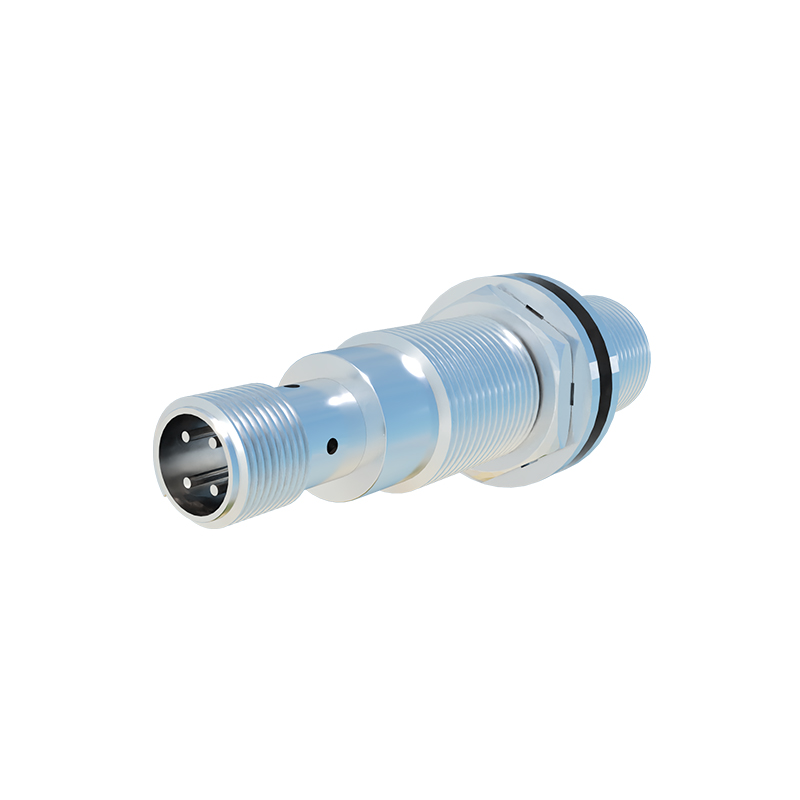
The operational principle aligns with the sensor type. For an inductive sensor (common for metal detection), the tester's tip interacts with the sensor's electromagnetic field. A capacitive sensor tester, used for non-metallic materials, alters the capacitive coupling. Some universal testers can accommodate multiple sensor types by adjusting their output characteristics.
Utilizing a dedicated tester offers significant advantages over makeshift methods, such as using a piece of metal. It provides repeatable, accurate results, enhancing troubleshooting speed and preventing misdiagnosis. For instance, a sensor might appear faulty due to a weak output, but the tester could reveal the issue is actually an excessive gap or a problem in the downstream wiring or PLC input module. This targeted diagnosis minimizes costly downtime and prevents unnecessary sensor replacement.
Regular calibration and verification of proximity sensors with a certified tester are also a cornerstone of predictive maintenance programs. By establishing baseline performance data, technicians can track sensor drift over time and schedule proactive replacements before a critical failure occurs, thereby upholding system integrity and safety.
In conclusion, the proximity sensor tester is more than a simple tool; it is an essential element of the industrial maintenance toolkit. Its application ensures the seamless operation of automated systems, safeguards productivity, and contributes to the overall efficiency and safety of modern manufacturing and processing facilities. Investing in a high-quality tester and training personnel in its proper use yields substantial returns in operational reliability and cost management.