Proximity sensors, the silent sentinels of modern automation, have evolved far beyond simple detection devices. Their ability to sense the presence or absence of an object without physical contact has made them indispensable across a staggering array of industries. This non-contact operation eliminates mechanical wear, ensures high reliability, and enables detection of a wide variety of materials, from metals to plastics and even liquids. The core technologies—inductive, capacitive, ultrasonic, and photoelectric—each offer unique advantages, defining their optimal use cases and expanding the overall scope of application.
In the realm of manufacturing and industrial automation, proximity sensors form the backbone of production lines. Inductive sensors, detecting metallic objects, are ubiquitous in machine tools for monitoring spindle position, tool wear, and part presence in CNC machining centers. They ensure robotic arms have accurately picked or placed components, a critical function in automotive assembly plants where precision is paramount. Capacitive sensors, capable of detecting non-metallic materials, monitor levels of plastics, wood, or liquids in hoppers and silos, preventing overflows or shortages that could halt production. On high-speed packaging lines, photoelectric sensors count products, verify label placement, and control the filling of containers with remarkable speed and accuracy, directly impacting throughput and quality control.
The automotive industry leverages proximity sensors for both manufacturing and within the vehicles themselves. On the assembly floor, they verify the correct seating of door seals, window glass, and electrical connectors. Within the vehicle, they enhance safety and user experience. Ultrasonic sensors provide the core functionality for parking assist systems, measuring distances to obstacles with sound waves. Inductive sensors monitor wheel speed for anti-lock braking systems (ABS) and transmission gear position. Emerging applications include capacitive sensors for touch-sensitive dashboard controls and occupant detection systems for advanced airbag deployment logic.
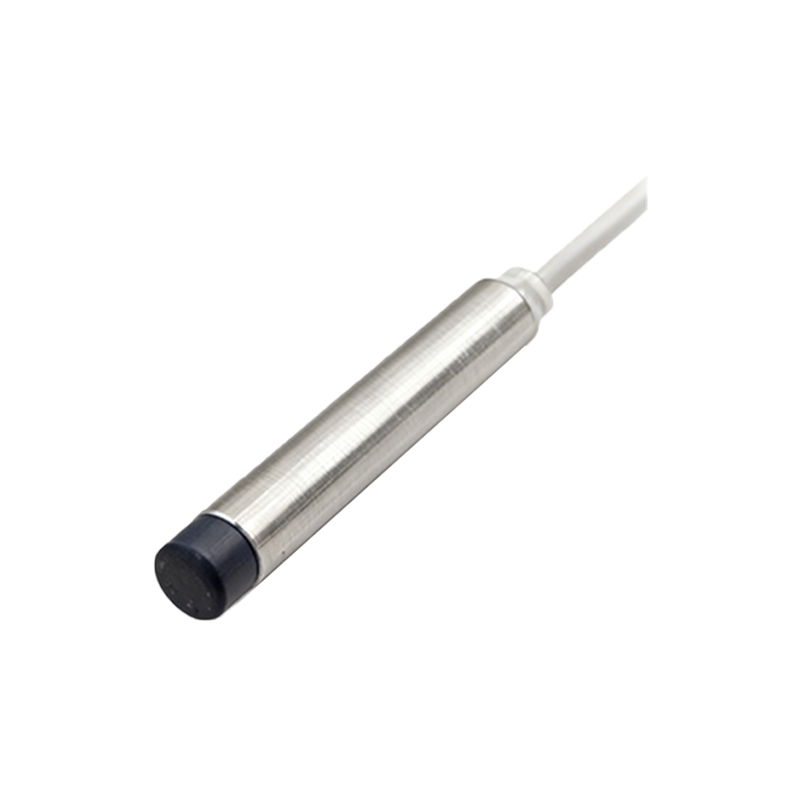
Material handling and logistics represent another major domain. In automated warehouses and distribution centers, sensors guide automated guided vehicles (AGVs), ensuring they follow predefined paths and avoid collisions. They confirm the presence of parcels on conveyor belts, trigger sorting mechanisms, and manage inventory by detecting pallets on storage racks. Inductive sensors read metallic codes on products for tracking, while photoelectric beams create safety curtains around robotic work cells to protect personnel. The efficiency of modern logistics, from e-commerce fulfillment to airport baggage handling, is deeply reliant on the continuous, reliable data provided by these sensors.
Beyond heavy industry, proximity sensors enable sophistication in consumer electronics and smart appliances. The smartphone in your pocket uses multiple capacitive sensors for touchscreen interaction, proximity detection during calls to disable the screen, and hall-effect sensors in flip covers. Home appliances like touchless faucets, automatic soap dispensers, and hands-free trash can lids employ infrared or capacitive sensing for hygiene and convenience. In modern kitchens, inductive cooktops use magnetic field sensing to activate only when ferrous cookware is present, improving safety and energy efficiency.
Even critical sectors like food and beverage, pharmaceuticals, and aerospace demand specialized sensor solutions. Here, sensors with stainless-steel housings and high ingress protection (IP) ratings withstand frequent washdowns with corrosive cleaning agents. They detect transparent bottles, verify cap placement, and count pills with hygienic, non-contaminating designs. In aerospace, robust sensors perform vital functions in landing gear position sensing, door status monitoring, and component alignment within jet engines, where failure is not an option.
The scope of proximity sensors continues to expand with Industry 4.0 and the Internet of Things (IoT). Modern sensors come equipped with IO-Link communication, providing not just a binary signal but detailed diagnostic data like temperature, operating hours, and signal strength to predictive maintenance systems. This intelligence allows plants to move from reactive to proactive maintenance, minimizing unplanned downtime. Furthermore, their role in robotics is growing more complex, providing precise feedback for collaborative robots (cobots) working safely alongside humans.
In conclusion, the use range of proximity sensors is virtually limitless, constrained only by the ingenuity of engineers and designers. From the foundational level of detecting a metal part on a conveyor to enabling the interactive features of consumer gadgets and safeguarding complex industrial processes, these devices are fundamental components of our automated world. Their evolution towards smarter, more connected, and more robust designs promises to further broaden their application horizons, solidifying their status as a cornerstone of electrical and control engineering across the globe.