In the rapidly evolving landscape of industrial automation, proximity sensors stand as critical components for enabling precise, non-contact detection of objects. These devices are fundamental to countless processes, from assembly line sequencing and robotic guidance to safety interlocks and inventory management. However, the performance and reliability of these sophisticated sensors are intrinsically tied to one crucial factor: professional installation. This is where specialized proximity sensor installation companies become indispensable partners for engineering and maintenance teams.
A reputable proximity sensor installation company offers far more than simple mounting services. It provides a holistic engineering approach that begins with a thorough site assessment. Certified technicians analyze the specific application environment, considering variables such as the target material (ferrous, non-ferrous, etc.), required sensing distance, environmental contaminants (oil, dust, coolant), electrical noise, temperature extremes, and potential mechanical vibrations. This diagnostic phase is vital for selecting the correct sensor type—inductive, capacitive, ultrasonic, or photoelectric—and ensuring its optimal placement. Incorrect selection or positioning is a primary cause of sensor failure, leading to costly downtime and production errors.
The core service of these firms involves precise mechanical installation and electrical integration. This includes designing and fabricating custom brackets or enclosures to protect the sensor from physical damage, aligning it with micrometer-level accuracy to the target path, and ensuring secure mounting to withstand operational stresses. Electrically, technicians handle the critical wiring, connecting the sensor to Programmable Logic Controllers (PLCs), safety relays, or other control systems. They ensure proper shielding, grounding, and cable routing to mitigate electromagnetic interference (EMI), which can cause erratic signal behavior. For complex networks, they configure sensor parameters and integrate them into broader Industrial Internet of Things (IIoT) or SCADA systems for centralized monitoring.
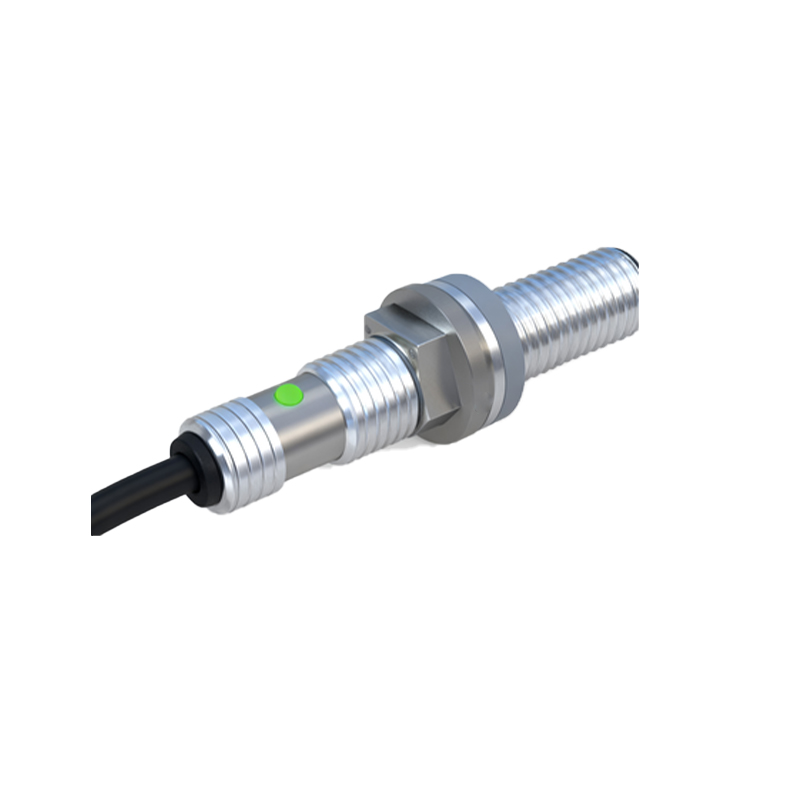
Beyond the initial setup, leading installation companies emphasize calibration, testing, and validation. They perform rigorous functional tests using the actual target materials under real or simulated operating conditions. This process verifies the sensor's repeatability, hysteresis, and response time, ensuring it triggers consistently at the programmed detection point. Documentation is another key deliverable; a professional service includes detailed as-built drawings, wiring diagrams, calibration reports, and a comprehensive list of installed components for future maintenance reference.
The value proposition of partnering with a specialized installer is substantial. It translates into enhanced system uptime, improved product quality through consistent detection, and increased operational safety by reliably triggering machine guards or e-stops. These companies also provide critical training for in-house personnel on troubleshooting and basic maintenance, empowering plant teams to address minor issues swiftly. Furthermore, they offer ongoing support contracts for periodic recalibration, performance audits, and emergency repairs, which are essential for maintaining peak system performance over the sensor's lifecycle.
Choosing the right installation partner requires careful evaluation. Key criteria include the company's experience with your specific industry (automotive, food & beverage, packaging, etc.), certifications (such as from ISA or relevant safety bodies), the technical expertise of its field engineers, and its ability to provide case studies or references from similar projects. The ideal partner acts as an extension of your engineering department, offering consultative insights to not only solve immediate installation needs but also to optimize the entire sensing application for long-term reliability and efficiency. In essence, investing in professional proximity sensor installation is not an expense but a strategic decision that safeguards productivity, quality, and safety in automated industrial environments.