Infrared (IR) proximity sensors have long been fundamental components in automation, robotics, and consumer electronics, primarily known for short-range object detection. The evolution towards achieving a reliable 2-meter detection range represents a significant technological leap, expanding their utility across more demanding industrial and commercial applications. This article delves into the principles, challenges, and solutions enabling this extended range, alongside its practical implications.
The core operating principle of an IR proximity sensor involves emitting an infrared light beam, typically from an LED or laser diode, and measuring the intensity of the light reflected back to a photodetector. The received signal strength is inversely proportional to the square of the distance to the target. Therefore, achieving a 2-meter range necessitates overcoming substantial signal attenuation. Key technological advancements address this challenge. First, the use of high-power, pulsed IR LEDs or Class 1 IR laser diodes provides a stronger initial emission signal while managing power consumption and eye safety. Second, incorporating optical lenses or filters focuses the emitted beam and increases the sensor's sensitivity to the reflected signal, effectively collecting more photons from distant objects. Third, advanced signal processing is critical. Modulating the IR signal at a specific frequency and using synchronous detection techniques allow the sensor to filter out ambient infrared noise (e.g., from sunlight or artificial lighting), which is paramount for stable long-range operation. Finally, the choice of target reflectivity is a practical factor; a standard white, matte surface will return a much stronger signal at 2 meters than a dark or shiny one, which must be accounted for in application design.
The capability for 2-meter detection unlocks new application frontiers. In industrial automation, these sensors enable non-contact presence detection of pallets, large machinery parts, or vehicles on assembly lines and in warehouses, facilitating better logistics planning and collision avoidance for automated guided vehicles (AGVs). In the realm of security and access control, they can be configured for perimeter monitoring or to trigger lighting and alerts when a person approaches a secure door from a farther distance. Smart building management systems utilize them for occupancy sensing in large conference rooms or hallways, optimizing HVAC and lighting control for energy efficiency based on human presence rather than motion alone. Furthermore, in agricultural technology or drone applications, such sensors can assist in altitude holding or obstacle detection during low-altitude flights over varied terrain.
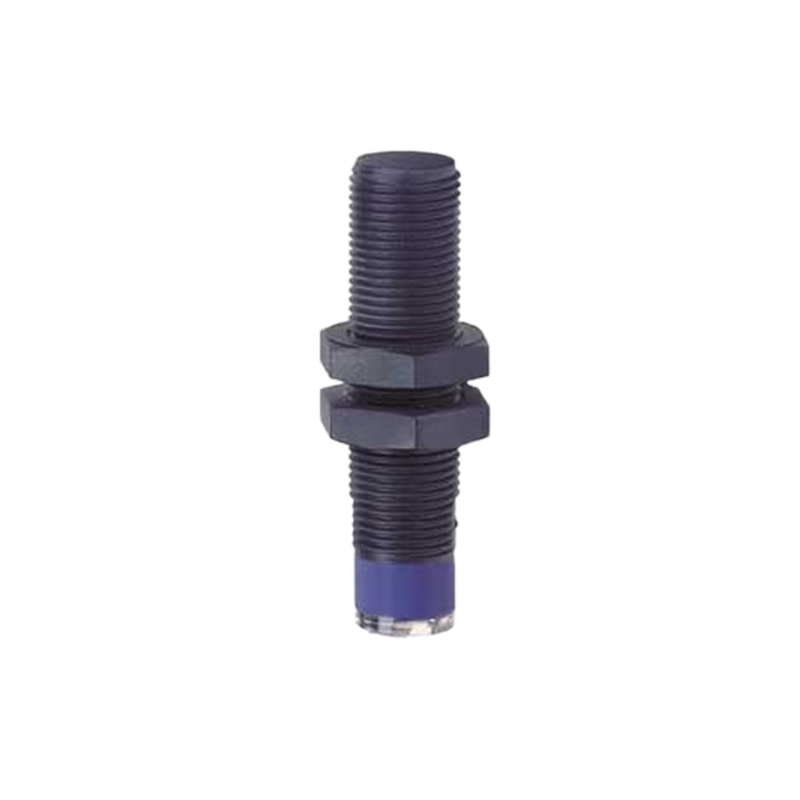
However, designing and implementing a system with a 2-meter IR proximity sensor requires careful consideration of several factors. Environmental conditions like dust, fog, or heavy rain can scatter the IR beam, reducing effective range. The sensor must be calibrated for its specific intended environment and target material. Power management becomes more crucial with high-output emitters, often necessitating pulsed operation modes to extend device lifespan and reduce heat generation. Additionally, sensor alignment and mounting are more critical at longer distances to ensure the target remains within the sensor's field of view.
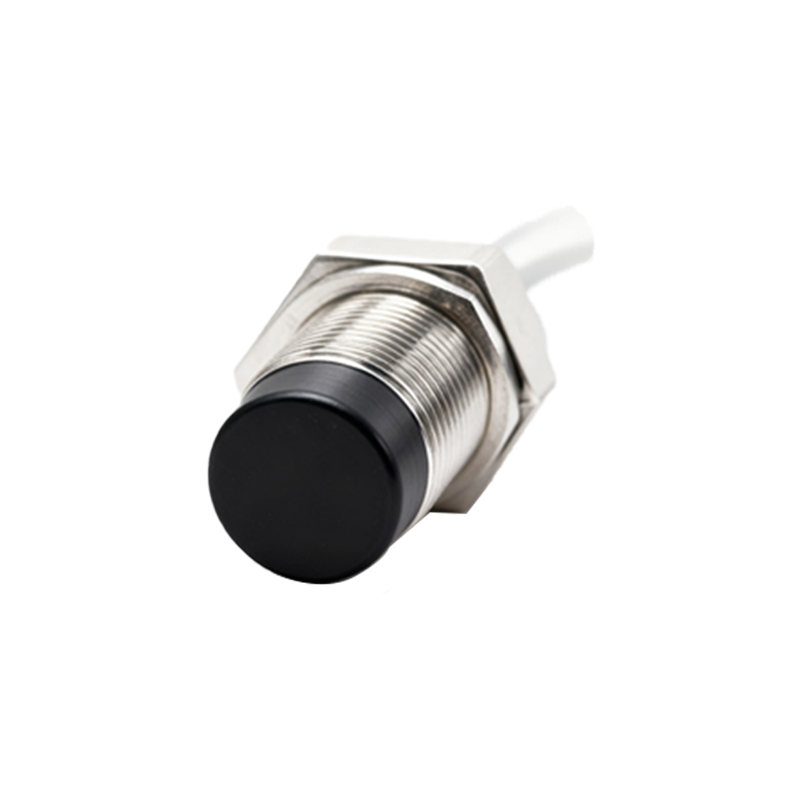
In conclusion, the achievement of a consistent 2-meter detection range marks infrared proximity sensors as viable solutions for a broader spectrum of medium-range sensing tasks. This is not merely an incremental improvement but a result of concerted advances in emitter technology, optical design, and intelligent signal processing. As these components become more cost-effective and integrated, we can expect their adoption to grow in smart infrastructure, advanced robotics, and IoT systems, where reliable, non-contact distance information is key to autonomous and efficient operations. Engineers selecting such sensors must balance the specifications of range, environmental robustness, power budget, and target properties to ensure successful deployment.