In industrial automation and control systems, proximity sensors play a critical role in detecting the presence or absence of objects without physical contact. However, false alarms from these sensors can lead to production downtime, safety risks, and operational inefficiencies. Understanding the root causes of these issues is essential for maintaining system reliability.
One of the most frequent reasons for false alarms is environmental interference. Proximity sensors, especially inductive or capacitive types, can be affected by nearby metal objects, electrical noise, or electromagnetic fields. For instance, when installed close to motors, transformers, or high-current cables, sensors may trigger erroneously due to electromagnetic interference (EMI). Shielding the sensor cables, using twisted-pair wiring, or relocating the sensor away from noise sources can mitigate this problem. Additionally, selecting sensors with robust noise immunity ratings is advisable for noisy environments.
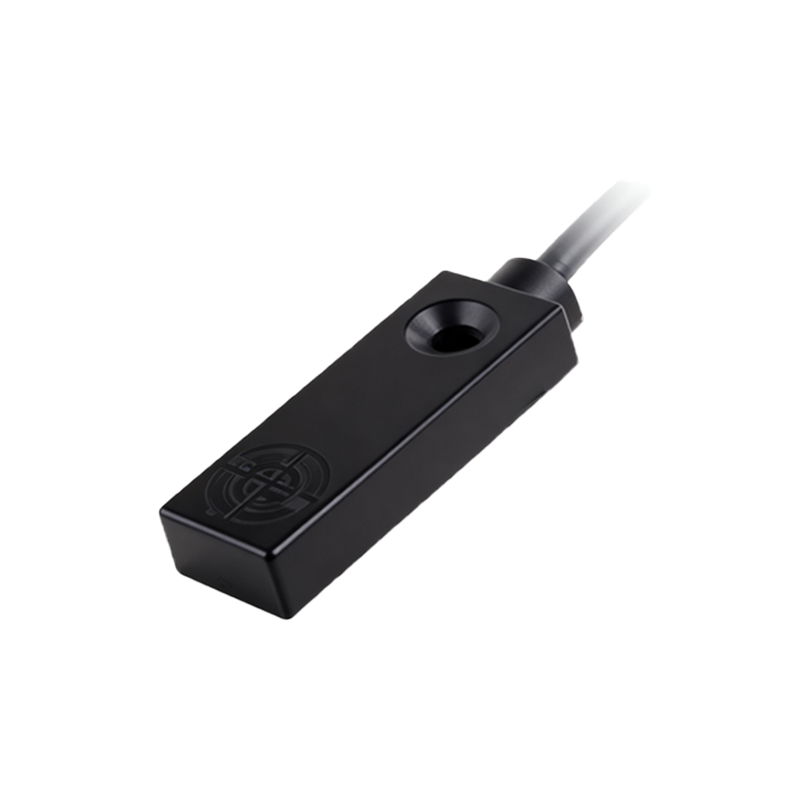
Another common cause is sensor misalignment or improper installation. If a proximity sensor is not correctly positioned relative to the target object, it may fail to detect accurately or trigger intermittently. For example, an inductive sensor designed to detect metal objects might activate prematurely if placed too close to non-target metals. Ensuring proper mounting distance, alignment, and orientation as per the manufacturer’s specifications is crucial. Regular maintenance checks to verify sensor positioning can prevent false triggers.
Sensor degradation over time also contributes to false alarms. Wear and tear, contamination, or damage to the sensing face can reduce sensitivity or cause erratic behavior. In dusty or humid conditions, debris or moisture may accumulate on the sensor, leading to malfunction. Cleaning the sensor regularly with appropriate methods (e.g., using non-abrasive materials) and inspecting for physical damage can extend its lifespan. If a sensor shows signs of aging, such as inconsistent output, replacement may be necessary to avoid recurring issues.
Electrical issues, such as voltage fluctuations or wiring problems, are another significant factor. Proximity sensors require stable power supplies to operate correctly. Voltage spikes, drops, or ground loops can cause false triggering. Using surge protectors, ensuring proper grounding, and checking for loose connections in the wiring harness can address these electrical anomalies. It’s also important to verify that the sensor’s voltage rating matches the supply voltage to prevent overloading or underperformance.
In some cases, the problem lies with the target object itself. Variations in material composition, size, or surface properties can affect detection reliability. For instance, a capacitive sensor might react differently to materials with varying dielectric constants. Calibrating the sensor sensitivity or selecting a sensor type suited to the specific target material can resolve this. Testing with actual target objects during installation helps ensure compatibility.
Finally, programming or configuration errors in the connected control system (e.g., PLCs) can lead to false alarms. Incorrect delay settings, threshold levels, or logic programming might interpret normal sensor signals as faults. Reviewing the control logic, adjusting timing parameters, and simulating operational scenarios can identify and correct these software-related issues. Collaboration between maintenance teams and programmers is key to optimizing system integration.
To troubleshoot persistent false alarms, a systematic approach is recommended. Start by isolating the sensor from the environment to rule out interference, then check installation and electrical connections. Use diagnostic tools like oscilloscopes or multimeters to monitor sensor output. Documenting incidents and patterns can also help pinpoint recurring causes. By addressing these factors proactively, industries can enhance sensor performance and minimize disruptions.
In summary, false alarms in proximity sensors often stem from environmental factors, installation errors, sensor degradation, electrical problems, target inconsistencies, or control system issues. Regular maintenance, proper selection, and thorough troubleshooting are vital for reliable operation. As technology advances, opting for smart sensors with self-diagnostic features may further reduce false alarms and improve overall system resilience.