The Russian industrial and technological landscape has seen a significant and steady integration of proximity sensors across various sectors. These non-contact devices, crucial for detecting the presence or absence of objects, have become foundational components in modern automation, safety systems, and consumer electronics within the country. The demand is primarily driven by the ongoing push for industrial modernization, the need for increased operational efficiency, and stringent safety regulations in heavy industries.
The Russian market for proximity sensors is characterized by a blend of domestic production and imports. Local manufacturers have developed considerable expertise, particularly in producing sensors that can withstand the harsh environmental conditions common in many Russian regions—extreme temperatures, high humidity, and significant dust or vibration. These ruggedized sensors are in high demand in core national industries such as oil and gas extraction, mining, and metallurgy. Here, inductive and capacitive proximity sensors are extensively used for tasks like position detection of machinery parts, level control in silos, and ensuring safety in automated processes.
Beyond traditional heavy industry, application areas are expanding rapidly. The automotive manufacturing sector, including both domestic brands and international joint ventures, employs a vast array of proximity sensors on assembly lines for precision control and quality assurance. Furthermore, the growth of Russia's transportation and logistics infrastructure relies on these sensors for baggage handling, automated sorting systems, and warehouse automation. A notable emerging application is in the defense and aerospace sector, where high-precision, reliable sensors are critical for navigation, monitoring, and control systems.
While domestic players hold a strong position in standard and ruggedized sensor markets, European and Asian brands maintain a significant share, especially for high-precision, specialized, or integrated smart sensor solutions. Brands from Germany, Japan, and increasingly China, are prevalent in advanced manufacturing setups. The choice between domestic and imported sensors often hinges on specific requirements for precision, connectivity features (like IO-Link), and total cost of ownership.
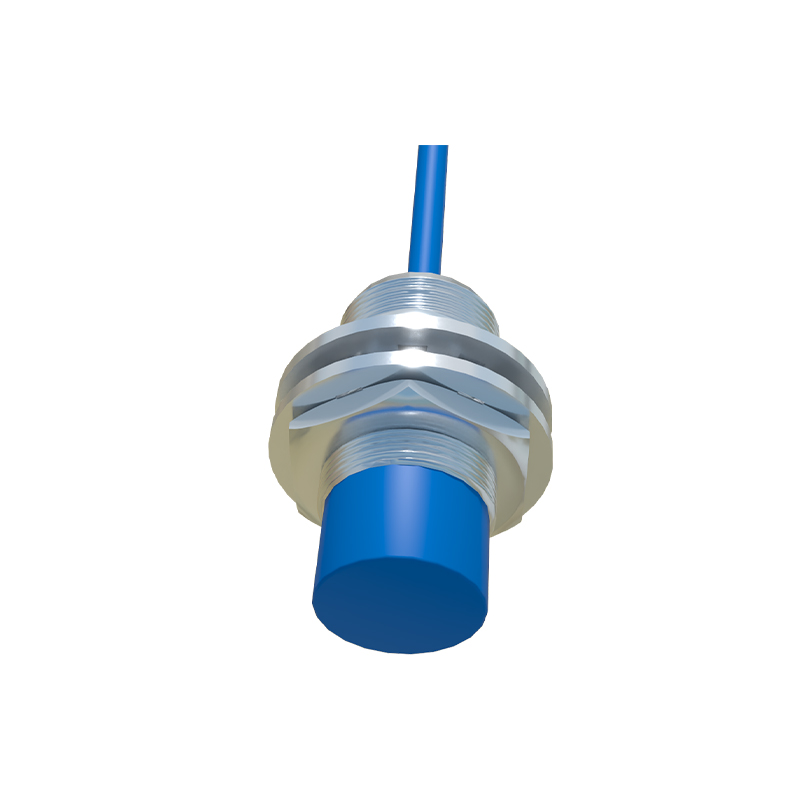
The technological trajectory within Russia mirrors global trends but with local nuances. There is a growing shift towards intelligent sensors with digital outputs and self-diagnostic capabilities, which facilitate predictive maintenance—a key concern for industries aiming to minimize downtime. Wireless proximity sensors are also gaining attention for applications where cabling is impractical or too costly. However, adoption rates for the latest Industry 4.0-compliant sensors can vary, often dependent on the modernization budget and technical readiness of individual enterprises.
Challenges persist, including navigating international sanctions on certain high-tech components, which can affect supply chains for advanced sensor types. This has, in some cases, accelerated import substitution initiatives, spurring local R&D. Additionally, end-users increasingly demand not just a sensor, but a complete solution involving integration support and reliable after-sales service, putting pressure on suppliers to enhance their technical service offerings.
Looking ahead, the future of proximity sensors in Russia is tied to the broader goals of technological sovereignty and industrial digitization. As investments continue in smart manufacturing, urban infrastructure projects, and transportation, the demand for reliable, accurate, and connected proximity sensing solutions is expected to grow. Success in this market will belong to providers, both domestic and international, who can offer robust products tailored to challenging environments, coupled with strong technical support and an understanding of the specific regulatory and operational landscape of Russian industry.