When it comes to industrial automation and precision detection, millimeter-range proximity sensors are indispensable components. These sensors, capable of detecting objects within a few millimeters without physical contact, are widely used in manufacturing, robotics, automotive assembly, and packaging lines. A common question among engineers, procurement specialists, and hobbyists is: "How much does a millimeter-range proximity sensor generally cost?" The answer is not straightforward, as prices vary significantly based on technology, specifications, brand, and application requirements.
Typically, the cost of a standard inductive or capacitive millimeter-range proximity sensor can range from as low as $15 to over $200 per unit. Basic inductive sensors, designed for metal detection at short ranges (e.g., 1-5 mm), often fall in the $15 to $50 bracket. These are common in conveyor systems or machine tools for part presence verification. Capacitive sensors, which can detect non-metallic materials like plastic, wood, or liquids, tend to be slightly more expensive, averaging between $20 and $80, depending on sensitivity and environmental ratings.
For high-precision applications, such as semiconductor manufacturing or medical devices, prices escalate. Sensors with advanced features—like analog output, IO-Link communication, extreme temperature resistance, or hygienic (e.g., IP69K) designs—can cost $100 to $300 or more. Brands like Sick, Omron, Pepperl+Fuchs, and Balluff command premium prices due to their reliability, durability, and support networks. In contrast, generic or off-brand sensors from online marketplaces may be cheaper, sometimes under $10, but often sacrifice consistency and longevity.
Additional factors influencing cost include sensing range (e.g., 0.5 mm vs. 5 mm), housing material (stainless steel vs. plastic), output type (PNP/NPN), and supply voltage. Bulk purchasing for OEM projects can reduce per-unit costs by 20-30%, while ruggedized versions for harsh environments (resistant to chemicals, vibrations, or washdowns) add to the expense. It's also wise to consider total cost of ownership: a cheaper sensor that fails prematurely may lead to higher downtime and maintenance costs.
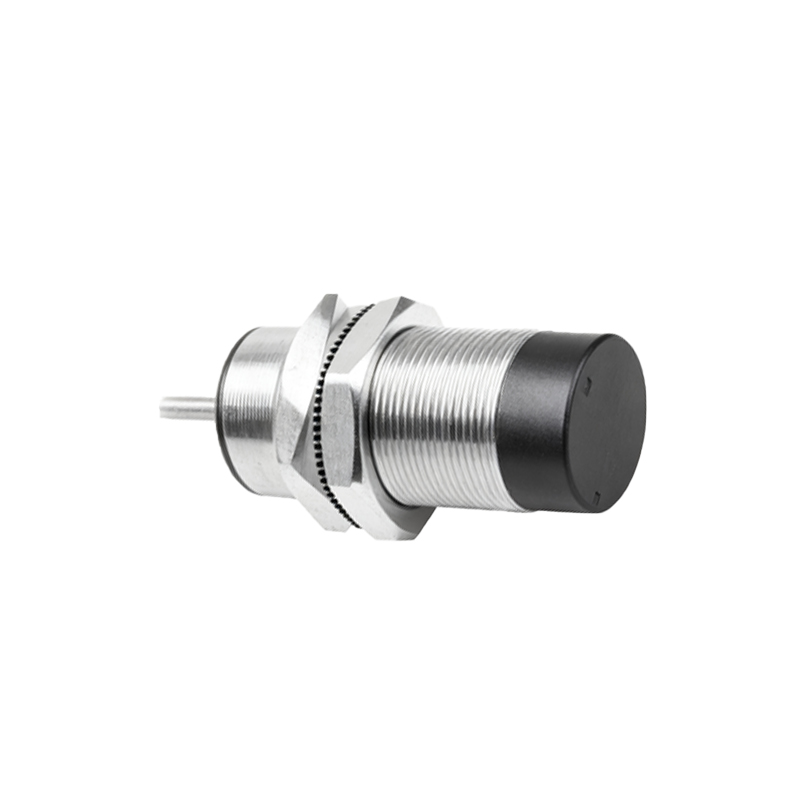
In summary, while budget options exist for simple tasks, investing in a quality millimeter-range proximity sensor from a reputable supplier ensures accuracy and reduces long-term operational risks. Always evaluate technical datasheets, compliance standards (e.g., CE, UL), and warranty terms when making a selection.