Proximity switch sensors are indispensable components in modern industrial automation, providing non-contact detection of metallic and non-metallic objects with high precision and reliability. As an electrical engineer with extensive field experience, I have witnessed firsthand how these devices revolutionize manufacturing processes, enhancing safety, efficiency, and system integrity. This guide delves into the working principles, types, applications, and selection criteria for proximity sensors, tailored for professionals seeking to optimize their automation systems.
At their core, proximity sensors operate by emitting an electromagnetic field or a beam of electromagnetic radiation (such as infrared light) and detecting changes in the field or return signal. The most common types include inductive, capacitive, and photoelectric sensors. Inductive proximity sensors are specifically designed to detect metallic objects. They generate an oscillating electromagnetic field from a coil wound around a ferrite core. When a metal object enters this field, eddy currents are induced in the target, causing a change in the oscillation amplitude. This change is detected by the sensor's circuitry, which then triggers a solid-state output switch. These sensors are highly robust, immune to environmental factors like dust and oil, and are ideal for detecting ferrous and non-ferrous metals in harsh industrial environments, such as in automotive assembly lines or metal stamping machines.
Capacitive proximity sensors, on the other hand, can detect both metallic and non-metallic materials, including liquids, plastics, glass, and wood. They function by generating an electrostatic field. When an object enters this field, it alters the capacitance of the sensor's circuit, triggering an output. This versatility makes capacitive sensors perfect for applications like liquid level detection in tanks, material handling of granular substances, or presence detection of plastic components. However, they can be more sensitive to environmental changes like humidity and require careful calibration.
Photoelectric sensors use light beams—typically infrared, visible red, or laser—to detect objects. They consist of an emitter and a receiver. When the light beam is interrupted or reflected by an object, the receiver detects the change and activates the output. These sensors offer long detection ranges and can sense virtually any material, but their performance can be affected by ambient light, dust, or fog. They are widely used in packaging, material handling, and safety light curtains.
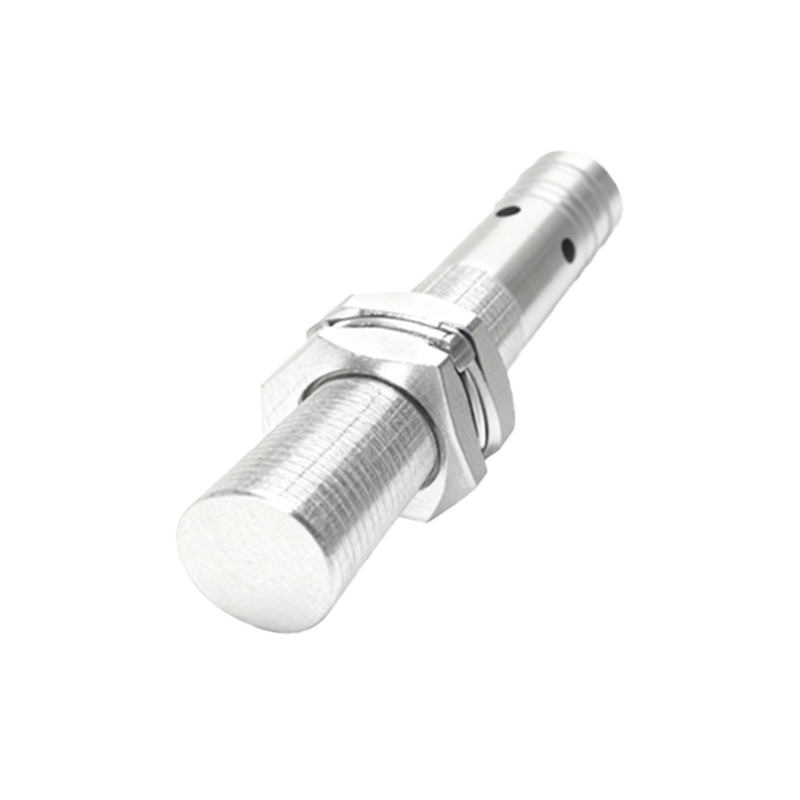
Selecting the right proximity sensor hinges on several critical factors. First, identify the target material: inductive for metals, capacitive for a broader range, and photoelectric for long-range or specific material detection. Next, consider the sensing distance, which must account for the target's size, shape, and approach direction. Environmental conditions are paramount; for instance, inductive sensors excel in dirty or wet settings, while photoelectric sensors may need protective housings in dusty areas. Output type is another key consideration—common options include NPN, PNP, analog, and IO-Link for digital communication, which integrates seamlessly with PLCs (Programmable Logic Controllers) for Industry 4.0 applications.
Installation and maintenance are straightforward but require attention to detail. Ensure proper mounting to avoid physical damage and electromagnetic interference from nearby motors or cables. Regular testing with the intended target material is essential to verify performance. Modern proximity sensors often feature LED indicators for diagnostics, aiding in troubleshooting. For optimal longevity, choose sensors with appropriate IP (Ingress Protection) ratings—IP67 or higher for washdown or outdoor use—and robust housing materials like nickel-plated brass or stainless steel.
In advanced automation systems, proximity sensors form the backbone of real-time monitoring and control. They enable precise positioning in robotics, part verification in assembly, and safety interlocks in machinery. With the advent of smart sensors equipped with IO-Link technology, data on sensor health, temperature, and switch cycles can be transmitted to control systems, facilitating predictive maintenance and reducing downtime. This connectivity aligns with the Industrial Internet of Things (IIoT), driving smarter, more responsive manufacturing.
In conclusion, proximity switch sensors are vital for achieving high efficiency and reliability in industrial operations. By understanding their types and applications, engineers can make informed decisions that enhance system performance. As technology evolves, these sensors will continue to play a pivotal role in the automation landscape, supporting innovations in productivity and safety.