In the rapidly evolving landscape of industrial automation, proximity sensors stand as critical components that enable precise, non-contact detection of objects. High-quality proximity sensors are engineered to deliver exceptional reliability, accuracy, and durability in demanding environments, making them indispensable across various sectors including manufacturing, automotive, packaging, and material handling.
The core function of a proximity sensor is to detect the presence or absence of an object within its sensing range without physical contact. This is achieved through different technologies, with inductive, capacitive, and photoelectric sensors being the most prevalent. Inductive sensors are ideal for detecting metallic objects, utilizing an electromagnetic field to sense ferrous and non-ferrous metals. Capacitive sensors, on the other hand, can detect a wider range of materials, including liquids, plastics, and powders, by measuring changes in capacitance. Photoelectric sensors use light beams to detect objects, offering long sensing distances and versatility.
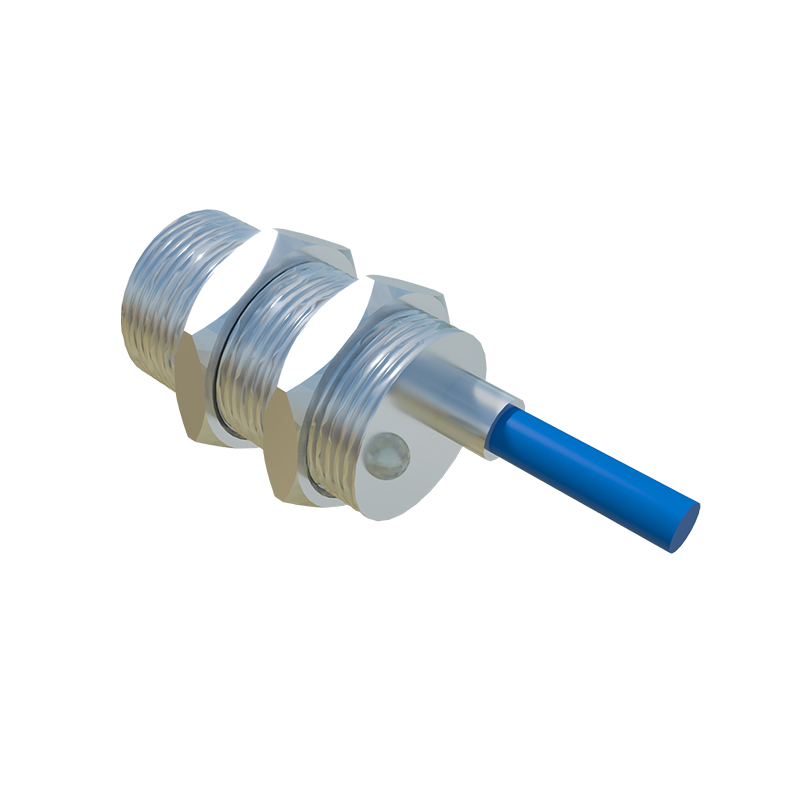
Investing in high-quality proximity sensors ensures operational efficiency and minimizes downtime. Premium devices are characterized by robust construction, often featuring stainless steel or nickel-plated brass housings that provide resistance to corrosion, impact, and extreme temperatures. They are designed to meet international protection ratings such as IP67 and IP69K, safeguarding against dust, water ingress, and high-pressure washdowns common in industrial settings. Additionally, advanced models incorporate immunity to electromagnetic interference (EMI) and voltage fluctuations, ensuring stable performance even in electrically noisy environments.
Accuracy and repeatability are paramount in automation processes. Top-tier proximity sensors offer precise sensing distances with minimal hysteresis, enabling consistent detection regardless of environmental variations. Many high-end sensors come with adjustable sensing ranges or teach-in capabilities, allowing for easy customization to specific application needs. The response time of these sensors is exceptionally fast, often in the microsecond range, which is crucial for high-speed production lines where milliseconds impact throughput.
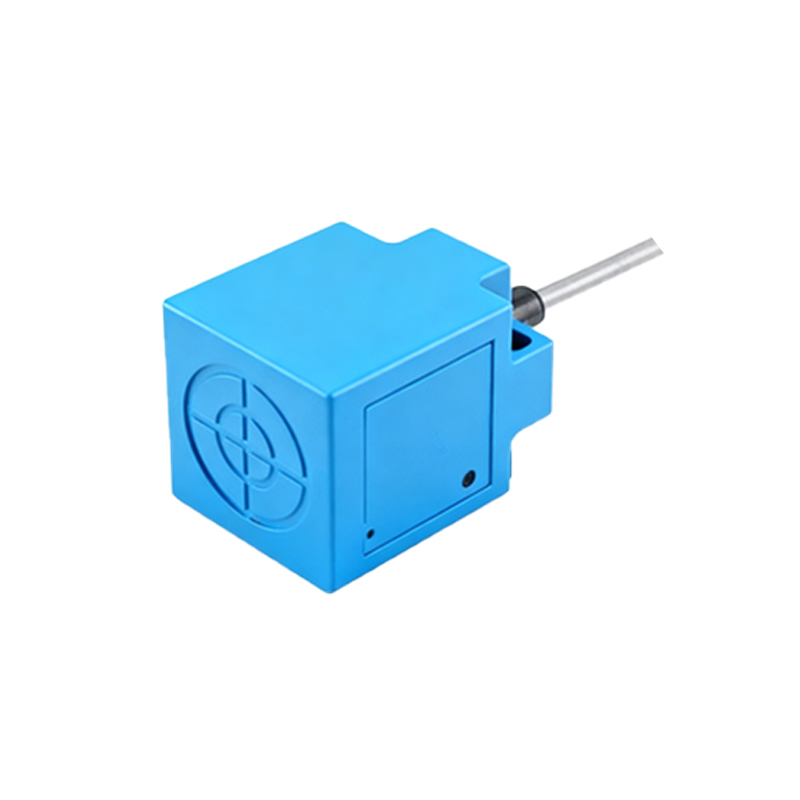
Integration into modern industrial networks is another hallmark of quality. Contemporary proximity sensors support various output types, including NPN, PNP, analog, and IO-Link. IO-Link connectivity, in particular, enables smart sensor functionality by facilitating digital communication for parameter setting, real-time monitoring, and diagnostic data transmission. This connectivity aligns with Industry 4.0 principles, allowing for predictive maintenance and enhanced system transparency.
When selecting a proximity sensor, key considerations include the target material, required sensing distance, environmental conditions, and electrical specifications. For instance, in automotive assembly lines, inductive sensors with extended ranges detect metal components reliably, while capacitive sensors monitor fluid levels in tanks. Photoelectric sensors excel in packaging lines for detecting transparent or colored objects. It is advisable to consult technical datasheets and, if possible, conduct application tests to ensure compatibility.
Maintenance of high-quality sensors is typically minimal due to their solid-state design and lack of moving parts. However, regular inspections for physical damage, contamination, or misalignment can prolong service life. Cleaning lenses or sensing faces with appropriate solvents prevents false triggers, especially in dusty or oily atmospheres.
In conclusion, high-quality proximity sensors are vital for achieving seamless automation, enhancing safety, and optimizing productivity. Their advanced features, from rugged designs to smart connectivity, make them a worthwhile investment for any industrial operation seeking longevity and precision. As technology advances, we can expect further innovations in miniaturization, energy efficiency, and integration with artificial intelligence, solidifying their role in the factories of the future.