In the rapidly evolving landscape of industrial automation, proximity sensors stand as critical components for enabling non-contact detection, enhancing safety, and ensuring operational efficiency. Selecting the right supplier is paramount for system integrators, OEMs, and maintenance engineers. This article provides an overview of leading global proximity sensor suppliers, known for their technological innovation, product reliability, and comprehensive support.
A foremost name in the field is Sick AG. Headquartered in Germany, Sick has established a formidable reputation for high-precision photoelectric and inductive sensors. Their product portfolio is exceptionally broad, catering to diverse applications from logistics and packaging to heavy-duty automotive manufacturing. Sick sensors are renowned for their robustness in harsh environments, advanced diagnostic capabilities, and seamless integration with Industry 4.0 frameworks. Their focus on smart sensor solutions with IO-Link communication makes them a preferred choice for future-proof automation systems.
Another European powerhouse, Pepperl+Fuchs, is synonymous with innovation in sensor technology, particularly for explosive atmospheres (ATEX/IECEx). The company offers an extensive range of inductive, capacitive, and ultrasonic proximity sensors. Pepperl+Fuchs excels in providing specialized solutions for challenging conditions, such as extreme temperatures, heavy washdowns, and areas with strong electromagnetic interference. Their engineering support and global distribution network provide significant value to clients undertaking complex automation projects.
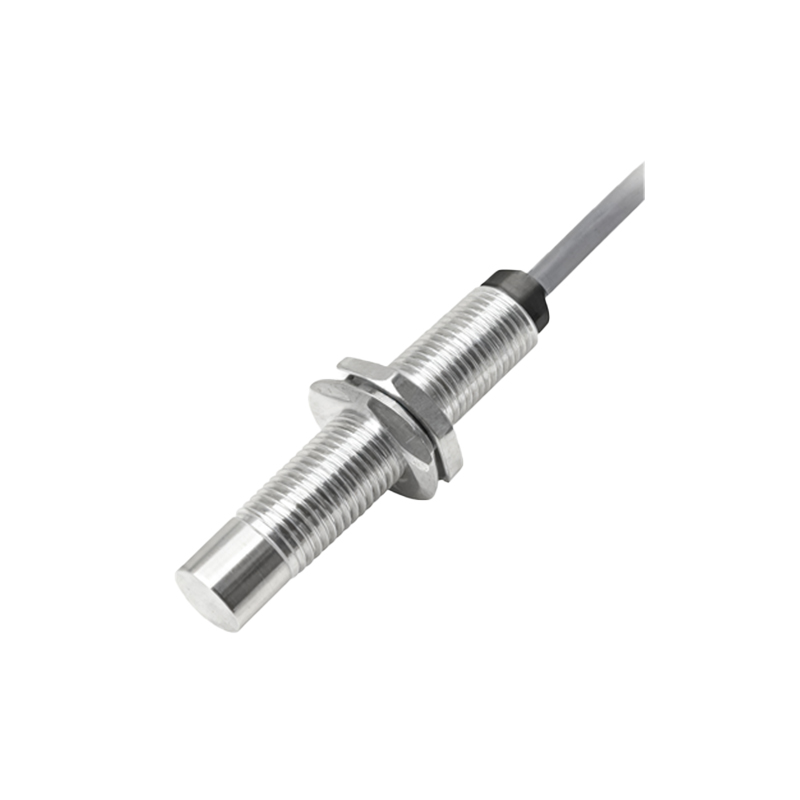
From Japan, Omron Corporation is a dominant force. Omron's proximity sensors are celebrated for their compact design, exceptional durability, and consistent performance. The company invests heavily in R&D, leading to breakthroughs in sensing distance, noise immunity, and energy efficiency. Omron provides a holistic automation ecosystem, where their sensors integrate flawlessly with their PLCs, vision systems, and safety devices, offering a streamlined solution for manufacturers seeking a single-source supplier.
Rockwell Automation (Allen-Bradley) represents a key supplier in the Americas. Their sensor lines, marketed under the Allen-Bradley brand, are deeply integrated into their broader control and information architecture. This integration is a major advantage for facilities standardized on Rockwell's PLC and SCADA platforms, simplifying configuration, troubleshooting, and data acquisition. Their sensors are designed for high-volume manufacturing environments, emphasizing ease of installation and long-term maintenance reduction.
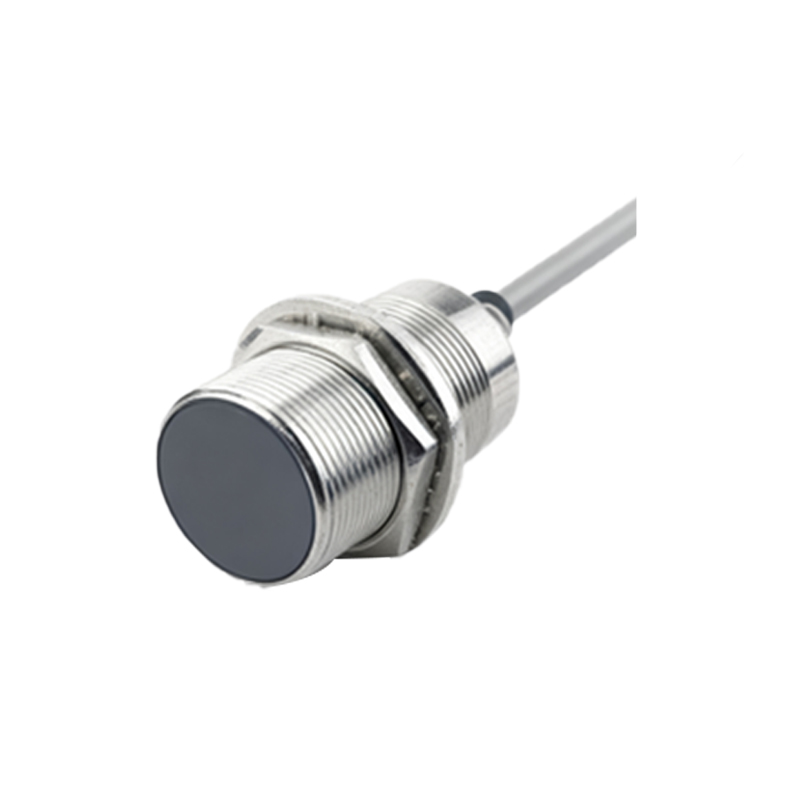
Balluff GmbH, a German sensor specialist, is highly regarded for its precision and innovation in inductive and RFID systems. Balluff places a strong emphasis on miniaturization and intelligent sensor features. Their products often include advanced functionalities like condition monitoring, predictive maintenance data output, and robust connectivity options. For applications requiring precise positioning, identification, and process data tracking—such as in automated assembly lines—Balluff provides highly sophisticated solutions.
IFM Electronic is notable for its user-centric design and comprehensive product range. Founded in Germany, IFM produces a vast array of inductive, capacitive, and photoelectric sensors known for their reliability and intuitive setup. A significant strength of IFM is its focus on system diagnostics; many of their sensors feature built-in LED indicators that provide clear status information, greatly reducing downtime during commissioning and fault-finding.
When evaluating suppliers, several critical factors extend beyond the product catalog. Technical Support and Documentation are vital. Leading suppliers offer detailed datasheets, CAD models, configuration software, and accessible application engineering teams. Global Availability and Logistics ensure that components are accessible where and when needed, minimizing production line disruptions. Furthermore, Customization Capabilities can be a deciding factor for non-standard applications, where some suppliers offer modified housings, special sensing ranges, or unique output configurations.
The future of proximity sensing is intertwined with digitalization. Suppliers at the forefront are increasingly embedding intelligence into their sensors. Features like IO-Link communication allow for parameter setting, real-time process value monitoring, and device condition data transmission directly to the control system. This facilitates predictive maintenance, flexible production changeovers, and detailed process optimization. Choosing a supplier with a clear roadmap in smart sensor technology is an investment in operational resilience and data-driven decision-making.
In conclusion, the selection of a proximity sensor supplier is a strategic decision impacting productivity, quality, and total cost of ownership. Industry leaders like Sick, Pepperl+Fuchs, Omron, Rockwell Automation, Balluff, and IFM each bring distinct strengths to the table. The optimal choice depends on specific application requirements, environmental conditions, existing automation architecture, and the strategic need for digital integration. Engaging with these suppliers early in the design phase can lead to more robust, efficient, and intelligent automated systems.