In the realm of industrial automation, proximity sensors are indispensable components, widely used for detecting the presence or absence of objects without physical contact. Among the various types available, non-shielded proximity sensors are particularly noted for their extended sensing ranges and versatility. However, a common question arises in practical applications: Are non-shielded proximity sensors wear-resistant? This article delves into the durability, construction, and operational factors that determine the wear resistance of these sensors, providing insights for engineers and maintenance professionals.
Non-shielded proximity sensors, unlike their shielded counterparts, lack a metallic ring around the sensing face. This design allows for a larger detection range but exposes the sensor to potential environmental hazards. The wear resistance of these sensors primarily depends on the materials used in their construction. Typically, the housing is made from robust materials such as stainless steel, nickel-plated brass, or engineering plastics like PBT (polybutylene terephthalate). These materials offer excellent resistance to mechanical abrasion, corrosion, and chemical exposure, which are critical in harsh industrial settings. For instance, stainless steel housings provide high tensile strength and can withstand impacts, making them suitable for heavy-duty applications where physical contact with machinery or debris is likely.
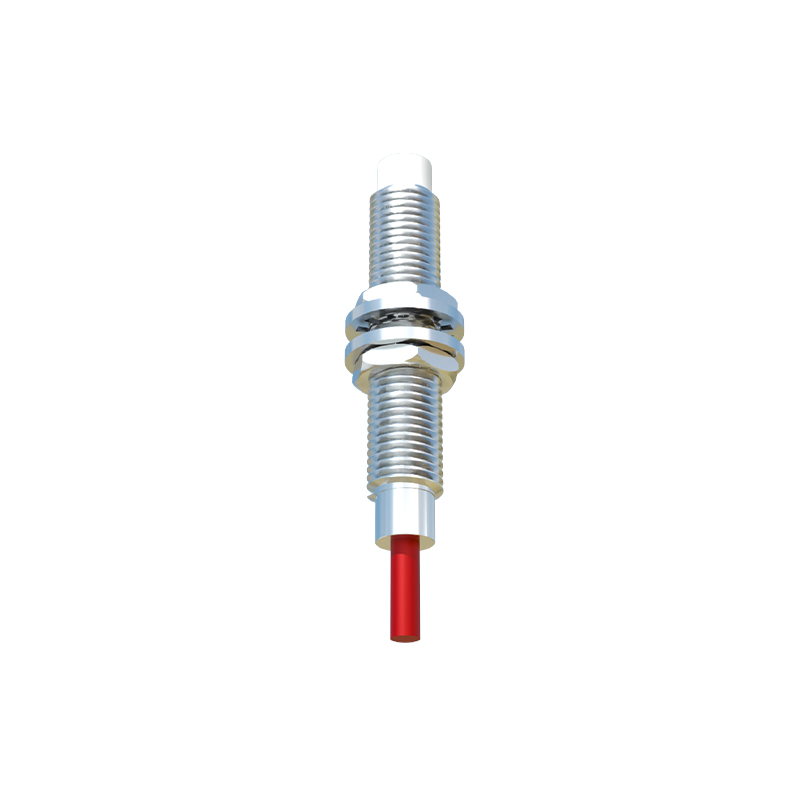
The sensing face of a non-shielded proximity sensor is often protected by a coating or a ruggedized surface. Many manufacturers apply epoxy resin or polyurethane layers to shield the internal electronics from dust, moisture, and scratches. This enhances the sensor's ability to endure continuous operation in abrasive environments, such as mining, material handling, or automotive assembly lines. However, it's important to note that the wear resistance can vary based on the specific model and brand. Engineers should consult technical datasheets to verify parameters like IP (Ingress Protection) ratings, which indicate resistance to solid particles and liquids. A higher IP rating, such as IP67 or IP69K, often correlates with better durability against wear and tear.
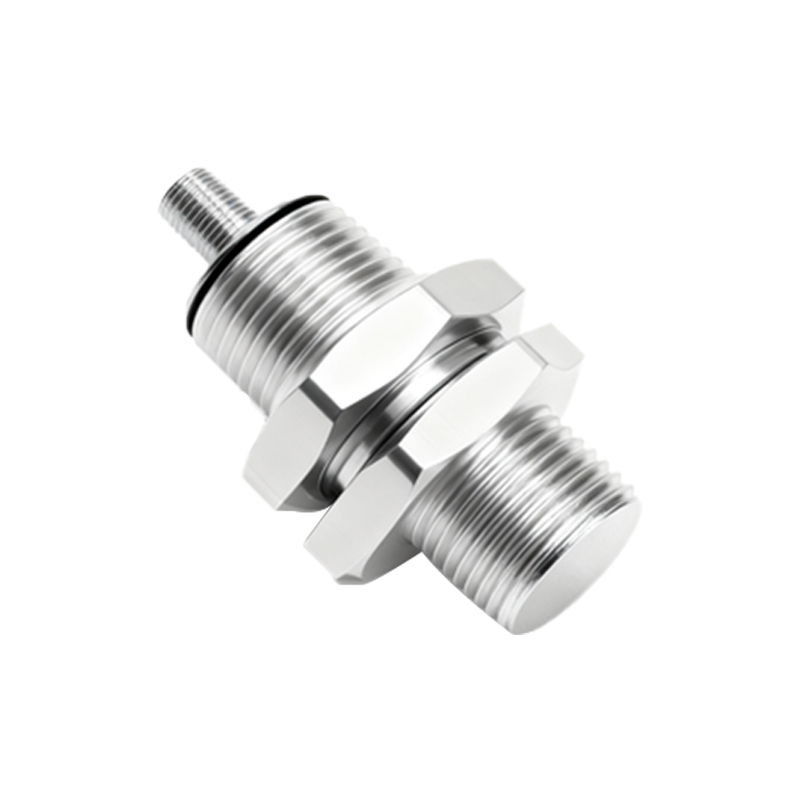
Another factor influencing wear resistance is the installation and usage context. Non-shielded sensors are susceptible to electromagnetic interference (EMI) from nearby metal objects, which can indirectly affect their longevity if not properly mounted. Vibration and shock from machinery can also lead to mechanical fatigue over time. To mitigate this, proper mounting brackets and vibration-dampening accessories are recommended. Regular maintenance, including cleaning the sensing face to remove accumulated debris, can prevent premature wear and ensure consistent performance. In applications involving high-speed moving parts, the sensor may experience frequent exposure to friction, so selecting a model with a hardened face or additional protective caps is advisable.
From a performance perspective, non-shielded proximity sensors are designed to operate reliably over millions of cycles. Their wear resistance is often tested under standardized conditions, such as those outlined by IEC (International Electrotechnical Commission) norms. For example, tests may simulate prolonged exposure to temperature extremes, humidity, and mechanical stress to certify endurance. Real-world feedback from industries indicates that these sensors can last for years without significant degradation, provided they are used within specified limits. However, in extremely abrasive scenarios—like those involving grinding or cutting operations—additional shielding or regular replacement might be necessary to maintain accuracy.
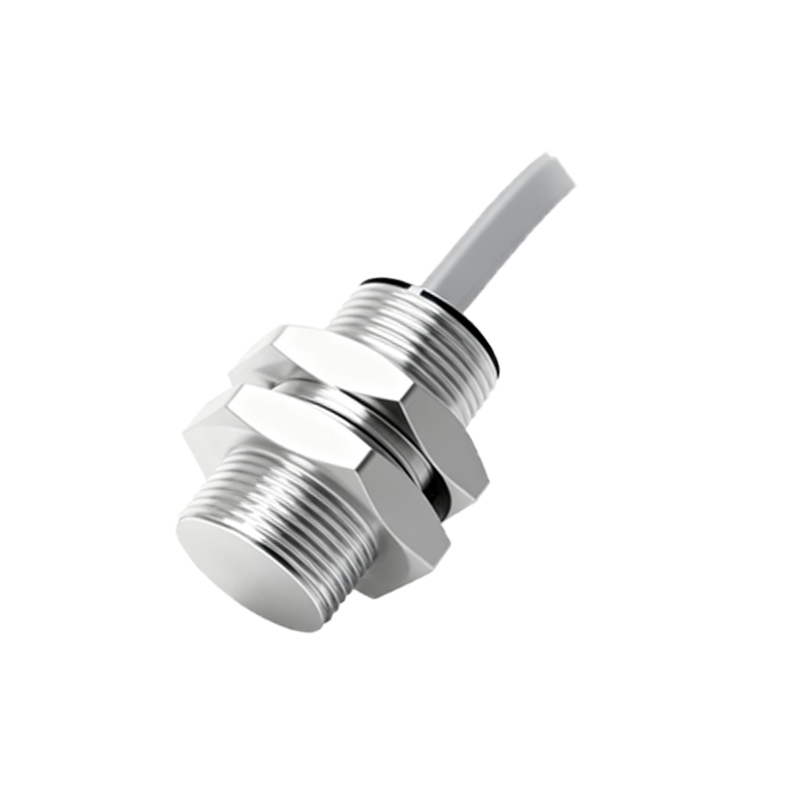
In conclusion, non-shielded proximity sensors exhibit considerable wear resistance due to their robust material composition and protective features. While they are not inherently immune to damage, their design caters to demanding industrial environments. Engineers should prioritize selecting sensors with appropriate housing materials, high IP ratings, and supplementary protections based on the application's specific challenges. By doing so, they can optimize sensor lifespan and reduce downtime, ensuring efficient and cost-effective automation systems. As technology advances, ongoing improvements in materials science and sensor design are likely to further enhance the durability of non-shielded proximity sensors, making them even more resilient in the face of wear.