Proximity sensors are essential components in modern industrial automation, widely used across manufacturing, automotive, robotics, and logistics sectors globally. Despite their reliability, users from various countries often encounter similar operational challenges due to environmental factors, installation practices, and technical specifications. This article addresses common issues reported in regions like North America, Europe, and Asia, providing insights into troubleshooting and maintenance.
One frequent problem is false triggering or inconsistent detection. In countries with high electromagnetic interference (EMI), such as industrial zones in Germany or the United States, sensors may activate unintentionally due to nearby machinery or power lines. This issue is often exacerbated by improper shielding or grounding. To mitigate this, ensure sensors are installed away from high-frequency devices and use shielded cables. Additionally, selecting sensors with robust EMI immunity, certified under standards like IEC 60947-5-2, can enhance stability.
Another common concern is reduced sensing range or complete failure. In humid climates, like those in Southeast Asia or coastal areas of Japan, moisture ingress can damage internal circuits, leading to performance degradation. Users should opt for sensors with high IP ratings (e.g., IP67 or above) and regularly inspect seals for wear. In colder regions, such as Canada or Scandinavia, extreme temperatures may cause material contraction, affecting alignment. Installing sensors with temperature compensation features and conducting seasonal checks can prevent downtime.
Wiring and connectivity issues also arise frequently. In countries with varying electrical standards, like differences between 110V systems in the U.S. and 230V systems in Europe, incorrect voltage supply can damage sensors. Always verify the sensor’s voltage rating matches local power grids. Loose connections, often reported in high-vibration environments like automotive plants in Mexico or China, can lead to intermittent signals. Using crimped connectors and strain relief accessories ensures secure wiring.
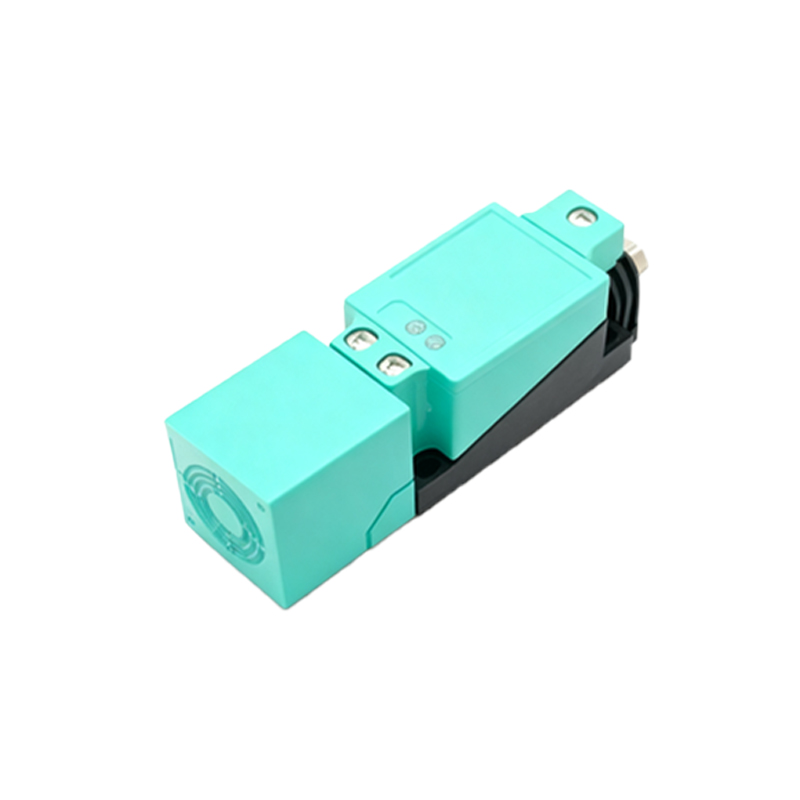
Sensor contamination is a global challenge. In dusty settings, such as mining operations in Australia or construction sites in India, particles can accumulate on sensing faces, blocking signals. Regular cleaning with non-abrasive materials and choosing sensors with self-cleaning capabilities or protective coatings can maintain accuracy. For oily environments, common in metalworking industries in Italy or South Korea, oil-resistant models are recommended to prevent film buildup.
Compatibility with control systems varies by region. In North America, PLCs from brands like Allen-Bradley are prevalent, while Europe often uses Siemens or Schneider Electric systems. Ensure sensor output types (e.g., NPN vs. PNP) align with the controller’s input requirements. Misconfiguration can cause communication errors, so refer to manufacturer manuals and use diagnostic tools for calibration.
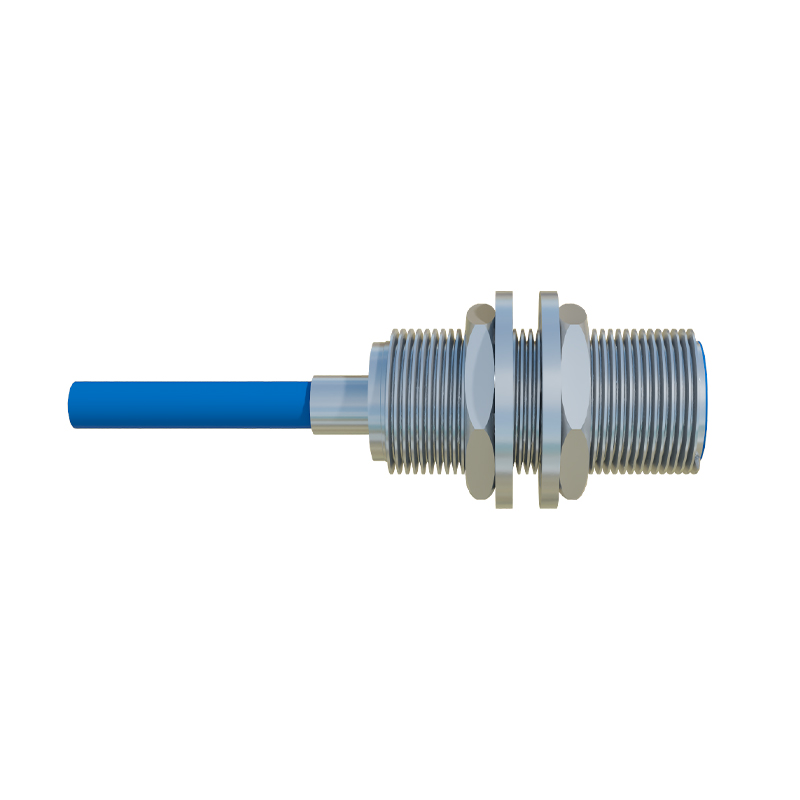
Lastly, lifespan reduction due to mechanical stress is reported worldwide. In high-cycle applications, like packaging lines in Brazil or textile mills in Turkey, physical wear can shorten sensor life. Implement preventive maintenance schedules, check mounting stability, and consider using ruggedized sensors designed for heavy-duty use.
By understanding these region-specific issues, engineers can optimize sensor performance, reduce downtime, and extend operational life. Always consult local suppliers for tailored solutions and adhere to international safety standards.