Inductive proximity sensors are non-contact electronic devices widely utilized in industrial automation for detecting the presence or absence of metallic objects. Operating on the principle of electromagnetic induction, these sensors generate an oscillating electromagnetic field from a coil wound around a ferrite core. When a metallic target enters this field, eddy currents are induced on the target's surface, causing a change in the oscillation amplitude or frequency. This alteration is detected by the sensor's internal circuitry, which subsequently triggers an output signal—typically a switching action via a solid-state or relay output.
One of the primary functions of inductive proximity sensors is precise position detection. In assembly lines, they verify the correct placement of metal components, such as engine parts or fasteners, ensuring manufacturing accuracy. Their rapid response time, often in microseconds, allows for high-speed counting and sorting operations, essential in packaging and material handling systems. Unlike mechanical limit switches, they have no moving parts, resulting in exceptional durability and minimal maintenance even in harsh environments with dust, oil, or vibration.
Another critical function is wear-free operation. Since there is no physical contact between the sensor and the target, mechanical degradation is eliminated. This makes them ideal for applications involving frequent actuations, like monitoring rotating machine parts or conveyor belt systems. Many models feature robust housings made of stainless steel or nickel-plated brass, offering resistance to chemicals, coolants, and mechanical impacts. Advanced designs incorporate temperature compensation circuits to maintain stable performance across a wide operational range, typically from -25°C to 70°C.
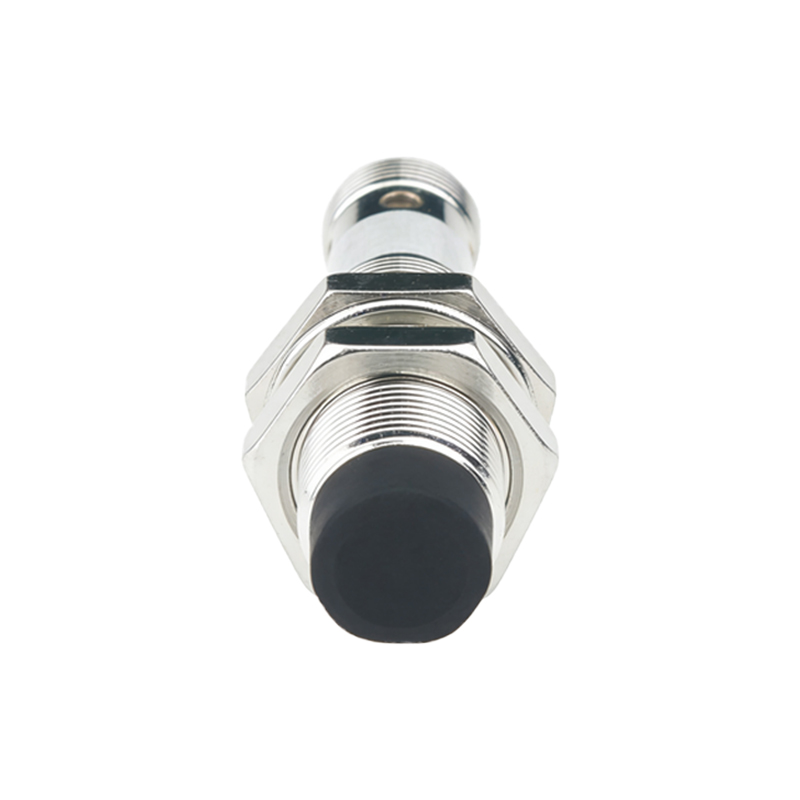
Inductive sensors also contribute to safety and control functions. They are employed as part of interlock systems to confirm that machine guards are closed or to detect the position of robotic arms, preventing hazardous movements. In automotive manufacturing, they monitor the presence of metal sheets in presses, while in the food and beverage industry, they detect metal packaging without direct contact, avoiding contamination. Their ability to sense only metallic objects provides inherent immunity to non-metallic obstructions like plastic or wood, reducing false triggers.
Modern inductive proximity sensors integrate smart features such as IO-Link communication, enabling real-time diagnostics and parameter adjustments. Users can monitor operating distance, temperature, and switch cycles remotely, facilitating predictive maintenance. Despite their simplicity, these sensors are fundamental to Industry 4.0, providing reliable data for automated systems. Selection criteria include sensing distance, target material (ferrous or non-ferrous metals), and output configuration (PNP/NPN). Proper installation, considering factors like flush or non-flush mounting, ensures optimal performance.
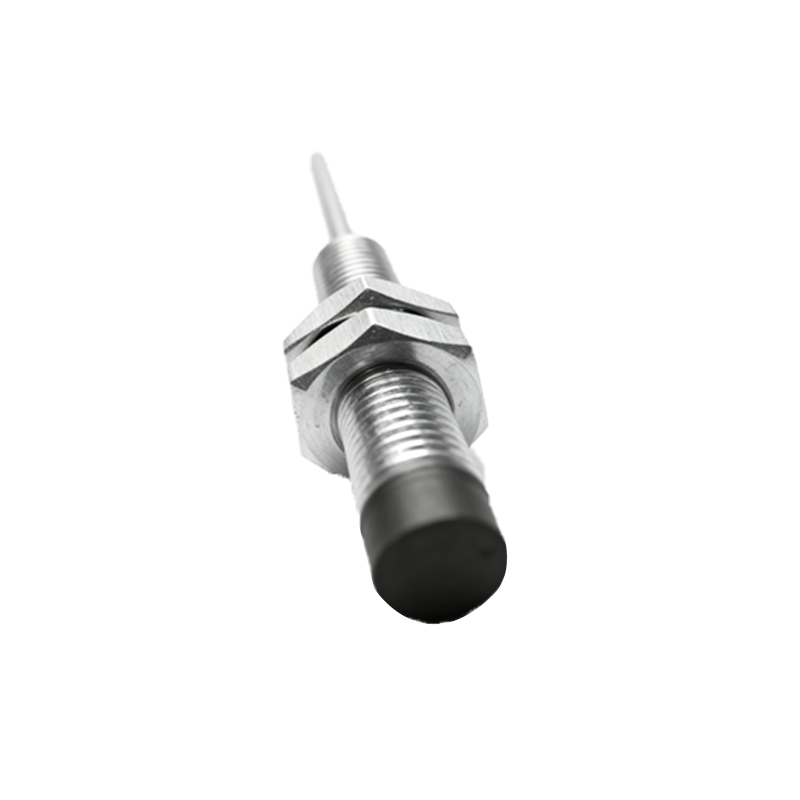
In summary, inductive proximity sensors deliver reliable, high-speed detection of metallic objects, enhancing efficiency and safety in diverse industrial settings. Their non-contact nature, coupled with rugged construction and evolving connectivity options, solidifies their role as indispensable components in automation technology.