In the realm of industrial automation, machine safety, and precision manufacturing, the question of sensor accuracy is paramount. Proximity sensors, the workhorses of non-contact detection, are frequently lauded for their reliability. But when we drill down to the specifics, how accurate are they, really? The answer is nuanced and depends heavily on understanding the distinction between repeatability, resolution, and overall system accuracy.
First, it's crucial to define our terms. In sensor terminology, accuracy often refers to the closeness of agreement between the measured value (the sensor's output) and the true value (the actual position of the target). However, for binary on/off proximity sensors, this is less about a continuous measurement and more about the consistency of the switching point. Therefore, repeatability becomes the star metric. This is the sensor's ability to consistently detect a target at the same exact distance under identical conditions—same target material, same temperature, same mounting. High-quality inductive, capacitive, or photoelectric proximity sensors boast exceptional repeatability, often within microns (µm). For instance, a premium inductive sensor might have a repeatability of ≤ 1% of its nominal sensing distance. This is why they are indispensable in applications like robotic arm end-stop detection or verifying part presence in a high-speed assembly line.
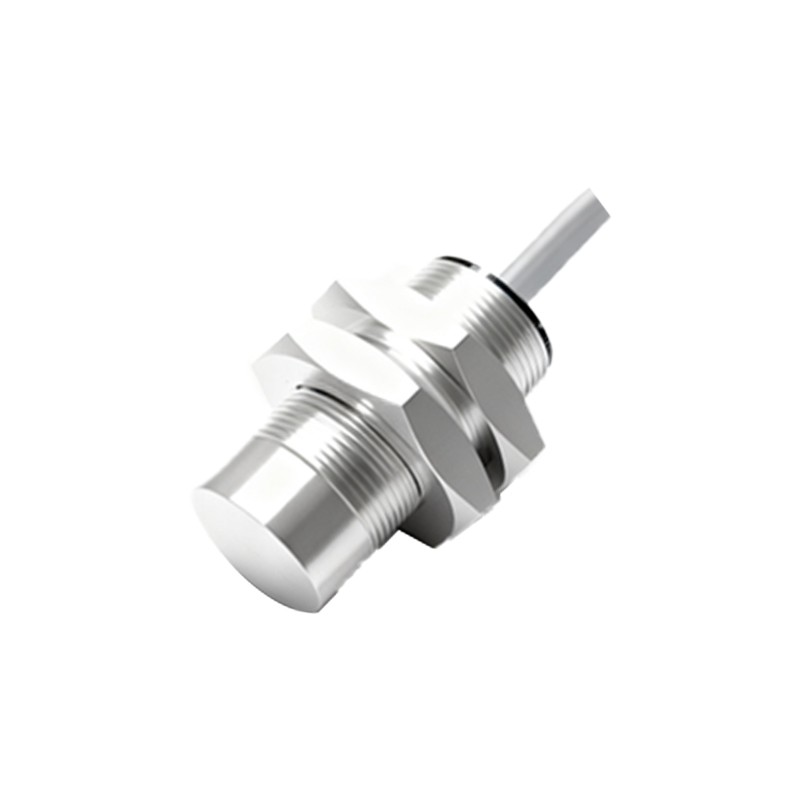
Resolution is another key factor, particularly for analog output proximity sensors that provide a continuous signal proportional to distance. Resolution defines the smallest change in distance the sensor can detect and reflect in its output signal. Modern analog sensors with high-resolution circuitry can discern minute positional changes, making them suitable for tasks like gap monitoring, vibration analysis, or thickness measurement.
However, proclaiming a sensor's accuracy based solely on its datasheet repeatability spec is an oversimplification. The real-world system accuracy is a confluence of multiple variables:
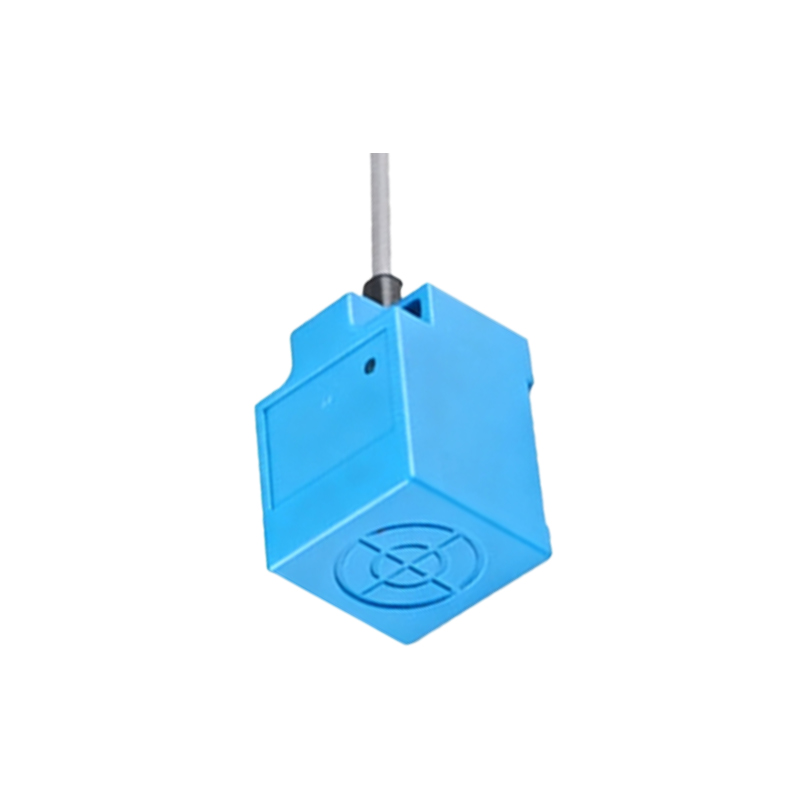
1. Target Characteristics: For inductive sensors, the detection distance is critically dependent on the target material's properties (ferrous vs. non-ferrous metals, specific alloy). The standard sensing distance (Sn) is calibrated for mild steel. For stainless steel, it reduces; for copper or aluminum, it reduces significantly. Capacitive sensors are affected by the target's dielectric constant, and photoelectric sensors by its color, reflectivity, and surface finish.
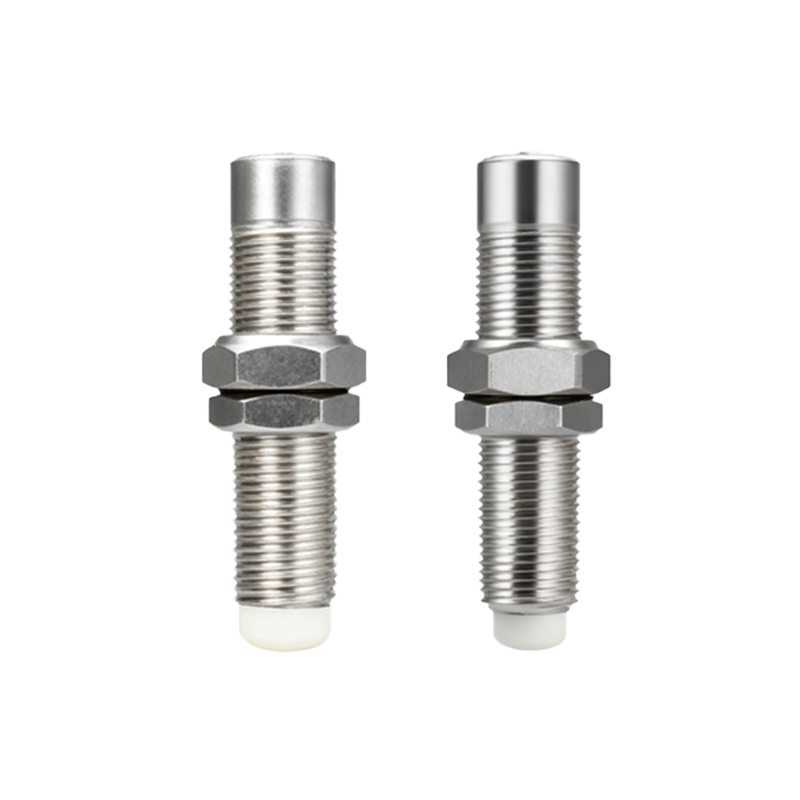
2. Environmental Conditions: Temperature fluctuations can cause thermal drift in the sensor's electronics and oscillator, slightly shifting the effective sensing point. Industrial environments with strong electromagnetic interference (EMI) or voltage spikes can also introduce signal noise, affecting reliability.
3. Installation and Mounting: Improper mounting, such as flush-mounting a sensor designed for non-flush installation, can drastically alter its sensing field. The presence of adjacent metal (mounting brackets, machine frames) can shield or distort the electromagnetic field of inductive sensors.
4. Sensor Technology Choice: An inductive proximity sensor is supremely accurate and repeatable for detecting a metal gear tooth but is utterly inaccurate for detecting a clear glass bottle. Here, a photoelectric or capacitive sensor would be the "accurate" choice. Accuracy is meaningless without context of the application.
So, are proximity sensors accurate? The engineered answer is: They provide exceptionally high repeatability and resolution within their designed operational parameters. For binary detection tasks, their repeatability is more than sufficient for the vast majority of industrial applications, ensuring process reliability and quality control. For measurement tasks using analog sensors, system accuracy must be calculated by considering all influencing factors, often requiring on-site calibration and testing.
To maximize effective accuracy, engineers must:
Select the correct sensor technology (inductive, capacitive, photoelectric, ultrasonic) for the target and environment.
Carefully study the manufacturer's datasheet, paying close attention to repeatability specs, temperature drift coefficients, and correction factors for different materials.
Design for consistent operating conditions and proper installation.
Implement system-level checks and balances, such as using multiple sensors in a voting logic for critical safety applications.
In conclusion, while no sensor offers perfect, absolute accuracy, modern proximity sensors deliver a level of precision and repeatability that makes them foundational to automated systems. Their "accuracy" is a system characteristic, not just a component specification. By understanding and mitigating the influencing variables, design engineers can leverage these devices to achieve remarkably precise and reliable machine control.