Magnetic proximity sensors are essential components in modern industrial automation, offering reliable non-contact detection of ferromagnetic objects. These sensors operate based on the Hall effect or magnetoresistive principles, generating a signal when a magnetic field from a target (such as a permanent magnet or ferrous metal) enters their sensing range. One of the standout features is their durability; with no moving parts or physical contact required, they exhibit exceptional resistance to wear, dust, moisture, and vibration. This makes them ideal for harsh environments like manufacturing floors, automotive assembly lines, and heavy machinery.
Another significant advantage is their high switching frequency and precision. Magnetic sensors can detect objects at speeds up to several kilohertz with millimeter accuracy, ensuring timely responses in fast-paced processes such as conveyor belt monitoring, position control, and rotary encoding. Their insensitivity to non-ferrous materials like aluminum or plastic reduces false triggers, enhancing system reliability. Additionally, many models feature robust housing (often in IP67 or higher ratings) and wide operating temperature ranges, from -40°C to 150°C, suitable for extreme conditions.

Power efficiency is a key benefit, as these sensors typically consume low current, enabling energy-saving designs in battery-operated or large-scale installations. Versatility in output configurations—including NPN/PNP transistors, analog signals, and IO-Link digital interfaces—allows seamless integration with PLCs, controllers, and IoT networks. Common applications include detecting cylinder positions in pneumatic systems, monitoring valve movements, ensuring safety door closures, and counting gears or bearings.
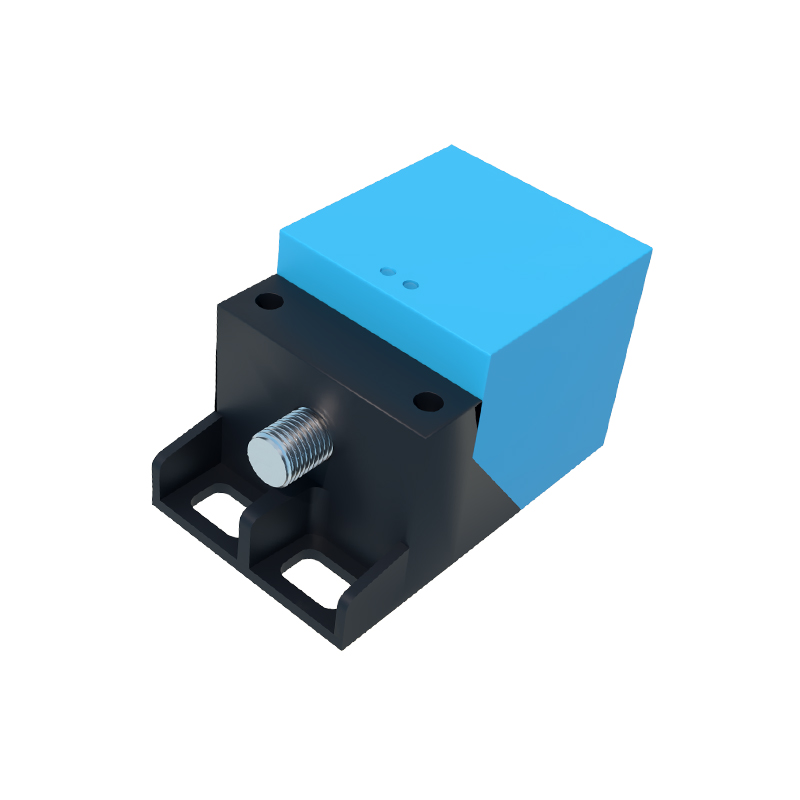
Despite their strengths, magnetic proximity sensors have limitations, such as reduced sensing range compared to inductive or capacitive types (usually within 60mm) and specificity to magnetic or ferrous targets. However, ongoing advancements in miniaturization and smart sensing technologies are expanding their capabilities, with embedded diagnostics and self-monitoring features becoming standard. In summary, magnetic proximity sensors deliver a blend of robustness, accuracy, and adaptability, driving efficiency and safety across industries from logistics to renewable energy systems.