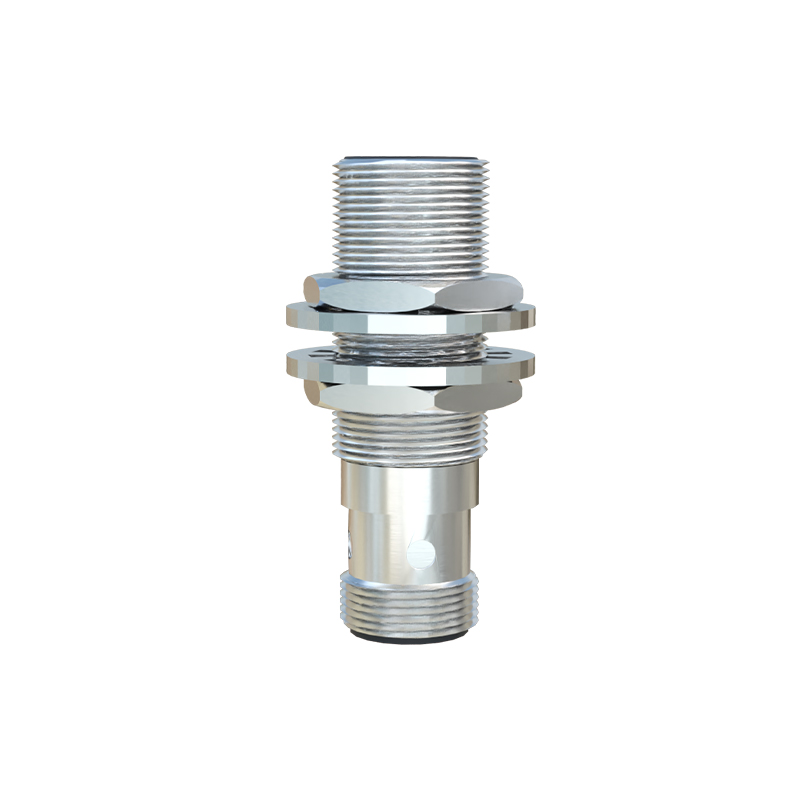
In industrial automation, manufacturing, and harsh environment applications, the reliability of sensing components is paramount. Among these, waterproof proximity sensors have become indispensable. These sensors are designed to detect the presence or absence of objects without physical contact, while withstanding exposure to water, dust, oils, and other contaminants. This article explores the common types of waterproof proximity sensors, their working principles, key applications, and critical factors for selection.
The core functionality of a proximity sensor is based on generating an electromagnetic field or beam and detecting changes caused by a target object. Waterproofing is achieved through robust housing materials like stainless steel (often grades 304 or 316), PBT plastic, or nickel-plated brass, combined with advanced sealing technologies. The ingress protection (IP) rating is the universal standard for defining this protection. For waterproof proximity sensors, common ratings include IP67 (protected against temporary immersion), IP68 (protected against prolonged immersion under specified conditions), and IP69K (protected against high-pressure, high-temperature water jets). These ratings ensure operational integrity in washdown environments, food processing, outdoor machinery, and marine applications.
Several primary technologies are used in waterproof proximity sensors, each with distinct advantages. Inductive proximity sensors are among the most common. They generate an oscillating electromagnetic field and detect the eddy current losses caused by metallic targets. Waterproof inductive sensors are ideal for detecting metal objects in machine tools, hydraulic systems, or automated production lines exposed to coolants or frequent cleaning. Capacitive proximity sensors can detect both metallic and non-metallic materials (liquids, plastics, wood) by measuring changes in capacitance. Waterproof capacitive sensors are frequently used in level detection for tanks or silos, packaging lines handling moist materials, and agriculture. Ultrasonic proximity sensors emit high-frequency sound waves and measure the time for the echo to return. Their waterproof variants excel in challenging conditions with fog, steam, or varying temperatures, such as in wastewater treatment or bulk material handling. Finally, photoelectric sensors use a light beam (visible, infrared, or laser) for detection. Waterproof housings allow their use in outdoor applications, automated guided vehicles (AGVs) operating in all weather, or bottling plants where splashing is common.
The selection of a waterproof proximity sensor extends beyond just the IP rating. Key technical parameters must be evaluated. Sensing distance, the maximum range at which the sensor can reliably detect a standard target, is crucial and can be affected by the sensor face material. The target material itself dictates the choice between inductive, capacitive, or other technologies. Output type is another vital consideration; common outputs include NPN/PNN transistor, analog (4-20mA, 0-10V), or IO-Link for digital communication and parameterization. The electrical connection style, such as pre-wired cables, quick-disconnect (M8, M12 connectors), or terminal boxes, must suit the installation environment. Additionally, factors like operating voltage, temperature range, response frequency, and housing shape (barrel, rectangular, ring) play significant roles in ensuring compatibility with the application.
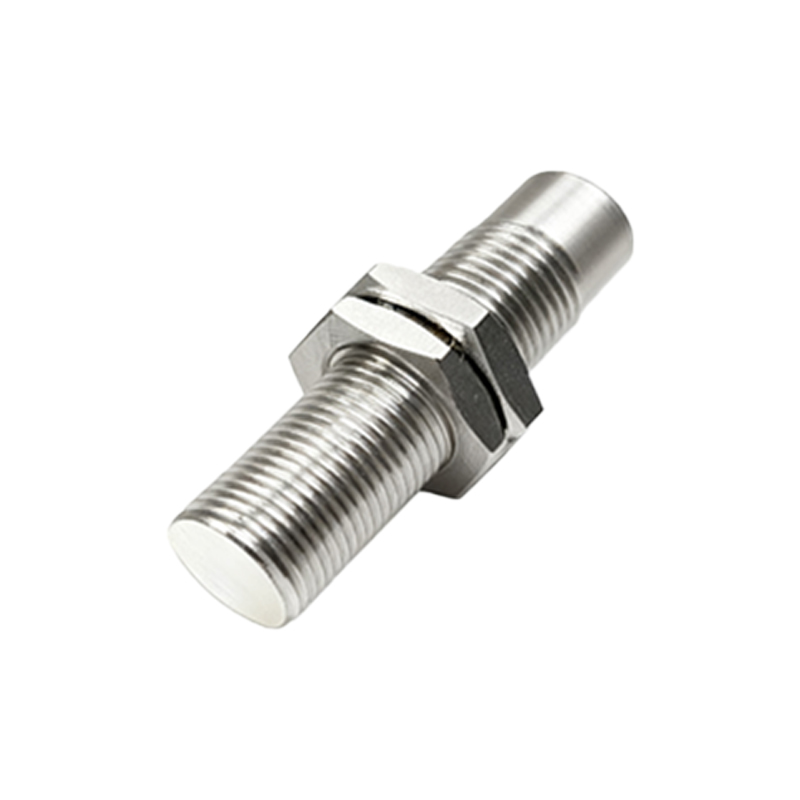
In practice, waterproof proximity sensors are deployed across diverse industries. In food and beverage processing, stainless steel IP69K-rated sensors withstand daily high-pressure, high-temperature washdowns while detecting containers, fill levels, or cap positions. In automotive manufacturing, they operate reliably in areas exposed to cutting fluids and oils. In marine and offshore applications, sensors with high IP68 ratings monitor equipment and positions despite constant saltwater exposure. Agricultural machinery utilizes them for position feedback on planting or harvesting equipment outdoors. Even in building automation, they are used in car park guidance systems or sanitary fittings.
Maintenance, while minimal, is essential for long-term reliability. Regular visual inspections for physical damage or buildup of residue on the sensing face are recommended. It is critical to verify that sealing elements, such as O-rings or gaskets, remain intact and that connectors are properly tightened to maintain the IP rating. Following the manufacturer's guidelines for cleaning—often with mild detergents and soft cloths—preserves sensor performance without compromising its seals.
In conclusion, waterproof proximity sensors are engineered solutions that combine non-contact sensing robustness with environmental resilience. Understanding the different sensor technologies, their corresponding IP ratings, and the specific demands of the application is key to selecting the right device. This ensures not only precise and reliable operation but also longevity and reduced downtime in demanding conditions, ultimately protecting investments and enhancing system productivity.