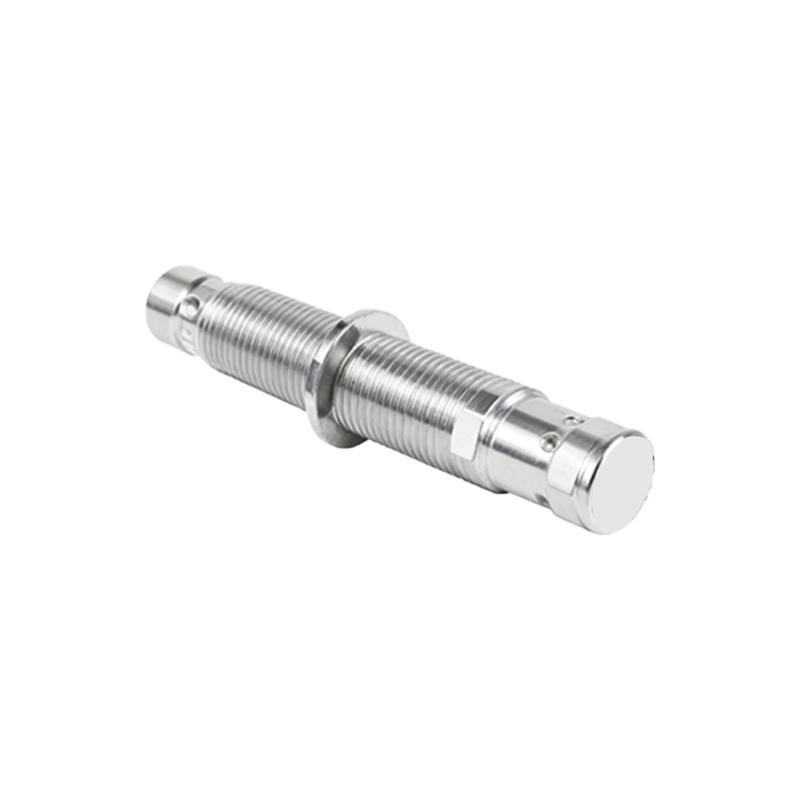
In the field of industrial automation and electrical engineering, proximity switches are essential components for detecting the presence or absence of objects without physical contact. A common question among professionals and newcomers alike is whether proximity switches are classified by specific model types. The answer is yes, and understanding these classifications is crucial for selecting the right sensor for your application. Proximity switches are categorized based on several key factors, including sensing technology, output type, housing material, and detection range. Each model type is designed to meet distinct operational requirements, ensuring optimal performance in diverse environments.
Firstly, proximity switches are differentiated by their sensing technology. The primary types include inductive, capacitive, ultrasonic, and photoelectric sensors. Inductive proximity switches are widely used for detecting metallic objects. They operate by generating an electromagnetic field and sensing changes when a metal target enters the field. These models are ideal for harsh industrial settings due to their durability and resistance to contaminants like dust or oil. Capacitive proximity switches, on the other hand, can detect both metallic and non-metallic materials, such as liquids, plastics, or wood. They function by measuring changes in capacitance, making them suitable for level detection or material handling applications. Ultrasonic sensors use sound waves to detect objects, offering long-range capabilities and effectiveness in challenging conditions like fog or varying light. Photoelectric proximity switches rely on light beams to sense objects, providing high precision and versatility for packaging, assembly, or safety systems.
Secondly, output type is a critical factor in model classification. Proximity switches typically come with digital outputs, such as NPN (sinking) or PNP (sourcing) configurations, which determine how the sensor interfaces with control systems like PLCs (Programmable Logic Controllers). Some models also feature analog outputs for continuous measurement, such as detecting distance or thickness. Additionally, there are two-wire, three-wire, or four-wire designs, each affecting installation and compatibility with electrical circuits. For instance, two-wire models simplify wiring but may have limitations in load capacity, while three-wire versions offer more stable performance in complex setups.
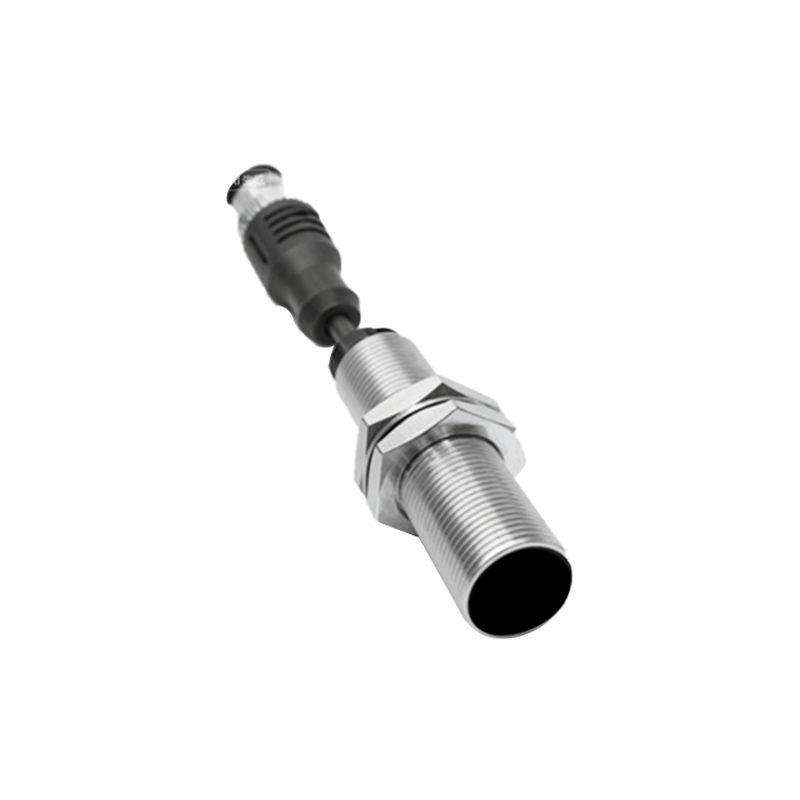
Housing material and design further define model types. Proximity switches are available in various enclosures, such as cylindrical, rectangular, or ring-shaped forms, made from materials like stainless steel, brass, or plastic. Stainless steel housings provide excellent corrosion resistance for outdoor or wet environments, while plastic models are cost-effective for light-duty applications. The IP (Ingress Protection) rating, such as IP67 or IP68, indicates the level of protection against dust and water, guiding selection for specific industrial conditions.
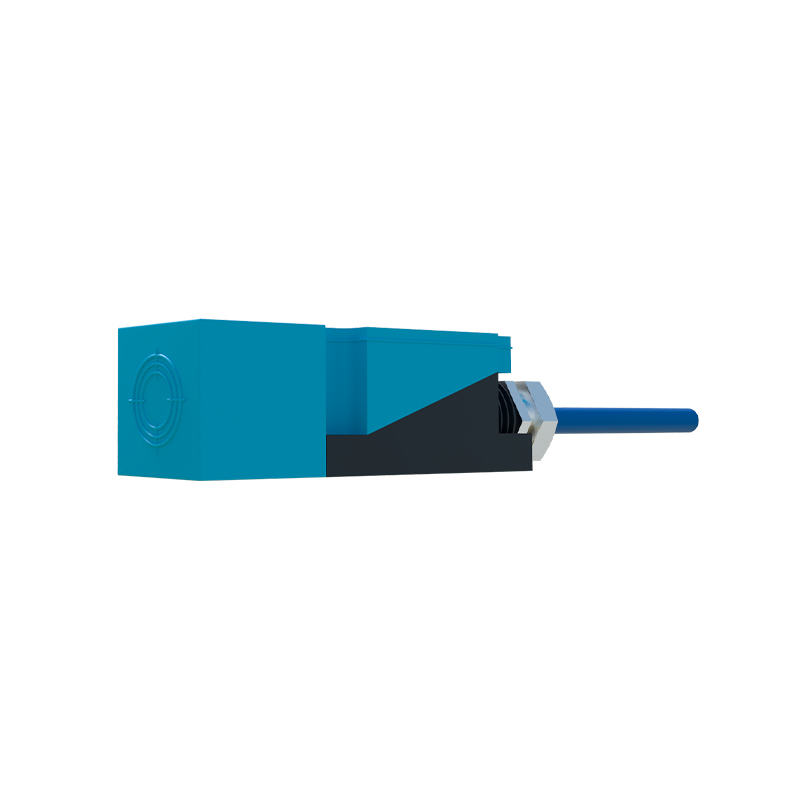
Detection range and sensing distance also play a role in model differentiation. Standard models may offer short-range detection (e.g., a few millimeters) for precise positioning, while long-range variants can sense objects up to several meters away. Factors like target size, material, and environmental interference influence the effective range, so engineers must consult datasheets to match the model to their needs.
In practice, selecting the right proximity switch model involves considering application-specific requirements. For example, in automotive manufacturing, inductive sensors with high switching frequencies might be chosen for detecting metal parts on assembly lines. In food processing, capacitive sensors with hygienic designs could be preferred for monitoring liquid levels. It's essential to review technical specifications, including operating voltage, temperature tolerance, and response time, to ensure compatibility and reliability.
Moreover, industry standards and certifications, such as CE, UL, or ATEX, impact model availability for regulated sectors like hazardous areas or medical devices. Always verify that the chosen model complies with relevant safety and performance guidelines.
In summary, proximity switches are indeed classified by model types, with distinctions based on sensing technology, output characteristics, housing, and range. By understanding these categories, engineers can make informed decisions to enhance system efficiency and reduce downtime. For further details, refer to manufacturer catalogs or consult with technical experts to navigate the wide array of options available in the market.