In the rapidly evolving landscape of new energy technologies—including solar power, wind energy, electric vehicles (EVs), and energy storage systems—proximity sensors play a critical role in ensuring efficiency, safety, and reliability. These sensors detect the presence or absence of objects without physical contact, enabling precise control in automation, monitoring, and protection systems. As the demand for clean energy solutions grows, selecting the right proximity sensor brand becomes essential for engineers and system integrators. This article highlights leading brands that excel in providing high-performance proximity sensors tailored for new energy applications.
One of the most prominent names in the industry is Sick AG, a German-based company renowned for its innovative sensor solutions. Sick offers a wide range of inductive, capacitive, and magnetic proximity sensors designed to withstand harsh environments common in renewable energy installations. For instance, their sensors are used in wind turbines to monitor blade position and in solar tracking systems to optimize panel alignment. With a focus on durability and precision, Sick sensors ensure minimal downtime and enhanced operational efficiency, making them a top choice for large-scale energy projects.
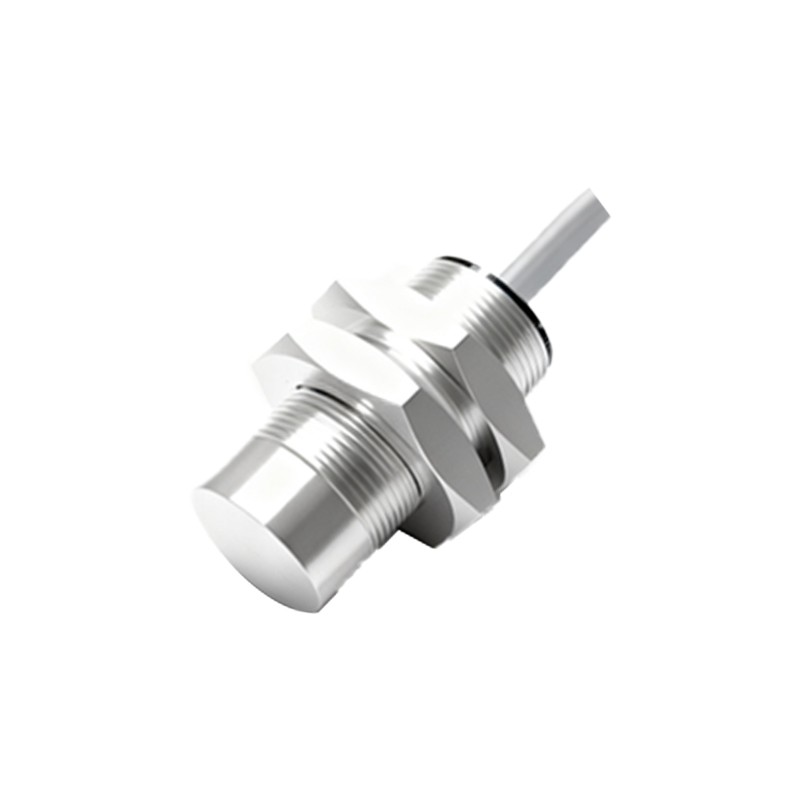
Another key player is Pepperl+Fuchs, which has established a strong reputation in industrial automation and sensor technology. Their proximity sensors are widely adopted in EV manufacturing lines, battery management systems, and charging infrastructure. Pepperl+Fuchs specializes in developing sensors with high immunity to electromagnetic interference (EMI), a crucial feature in high-voltage environments like power converters and inverters. The brand’s capacitive sensors, in particular, are effective for detecting non-metallic materials, such as composite components in wind turbine blades or insulation in energy storage units.
Omron Corporation, a Japanese electronics giant, is also at the forefront of proximity sensor innovation. Omron’s sensors are known for their compact design, long service life, and advanced features like embedded diagnostics. In new energy applications, Omron sensors are commonly integrated into solar inverter systems to detect cooling fan operation or into hydroelectric plants for water level monitoring. Their E2E series inductive sensors, for example, offer high-speed response times, which is vital for real-time control in dynamic energy systems.
For those seeking cost-effective yet reliable solutions, Turck stands out as a versatile brand. Based in Germany, Turck provides a broad portfolio of proximity sensors that excel in rugged conditions, such as offshore wind farms or desert-based solar arrays. Their sensors feature robust housings resistant to moisture, dust, and extreme temperatures. Turck’s inductive sensors are often used in conveyor systems for sorting recycled materials in waste-to-energy plants, while their ultrasonic sensors assist in fluid level detection in geothermal energy setups.
Balluff is another German manufacturer that has gained traction in the new energy sector. Balluff’s proximity sensors are praised for their high accuracy and customization options. They offer sensors with IO-Link communication capabilities, allowing for seamless integration into smart grids and IoT-based energy management systems. In EV battery production, Balluff sensors help align cells and monitor assembly processes, ensuring quality and safety. Their magnetic sensors are also utilized in tidal energy systems to track turbine rotation without direct contact.
Additionally, ifm electronic deserves mention for its user-friendly and efficient sensor solutions. ifm’s proximity sensors are designed with easy installation and maintenance in mind, reducing setup time in fast-paced energy projects. Their products are frequently employed in photovoltaic (PV) panel manufacturing to detect silicon wafers or in hydrogen fuel cell systems to monitor valve positions. ifm’s focus on predictive maintenance features helps prevent failures in critical energy infrastructure.
When selecting a proximity sensor for new energy applications, engineers should consider factors like environmental resilience, detection range, output type (e.g., PNP/NPN), and compatibility with existing control systems. Brands like Sick, Pepperl+Fuchs, Omron, Turck, Balluff, and ifm offer diverse options to meet these needs, each with unique strengths. As the world shifts toward sustainable energy, these brands continue to innovate, developing sensors that support greener, smarter, and more efficient power generation and utilization. Ultimately, investing in quality proximity sensors from reputable brands can enhance system performance, reduce energy waste, and contribute to the global transition to renewable resources.