In demanding industrial environments, the longevity and reliability of sensing equipment are paramount. Among the most critical components are proximity sensors, tasked with detecting the presence or absence of objects without physical contact. However, in settings characterized by exposure to chemicals, moisture, salt spray, extreme temperatures, or washdown procedures, standard sensors quickly succumb to failure. This is where corrosion-resistant proximity sensors become indispensable. These specialized devices are engineered to withstand aggressive conditions, ensuring continuous operation, reduced downtime, and lower total cost of ownership.
The primary defense against corrosion lies in the sensor's housing material and sealing integrity. Common robust housing materials include:
Stainless Steel (Typically 316L or 304): The industry standard for corrosion resistance. Type 316L stainless steel, with its molybdenum content, offers superior resistance to chlorides and acidic environments compared to Type 304. These housings are often standard for sensors in food processing, chemical plants, and marine applications.
Nickel-Plated Brass: Provides a good balance of cost and performance, offering decent resistance to many corrosive agents, though not as robust as high-grade stainless steel in highly aggressive settings.
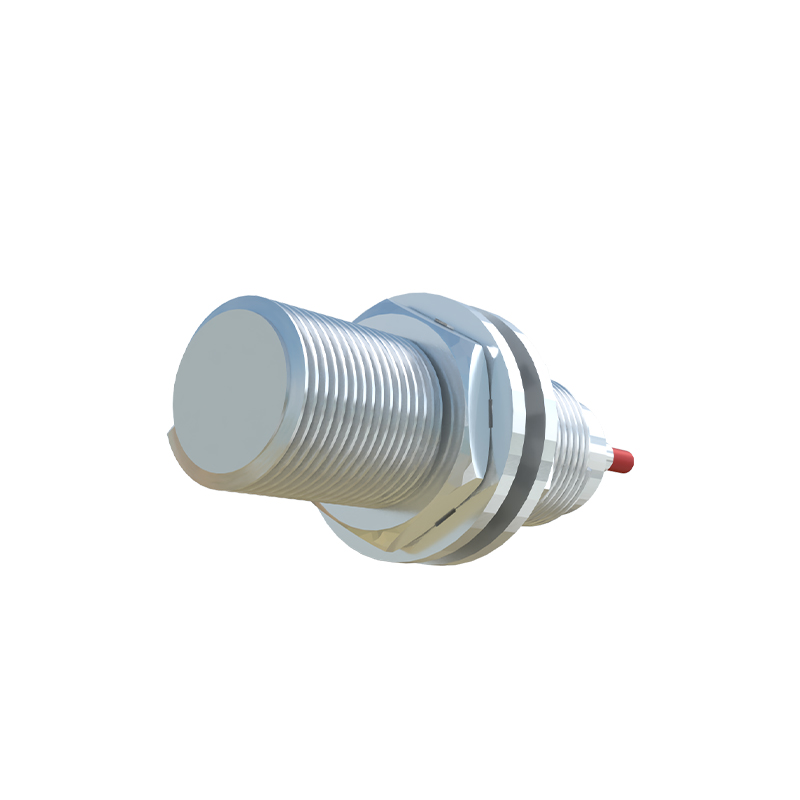
Specialty Plastics (PBT, PVDF, or PPS): For applications where metal detection is undesirable or in the presence of highly corrosive chemicals that can attack metals, housings made from advanced thermoplastics like Polyvinylidene Fluoride (PVDF) are used. These are common in semiconductor manufacturing and aggressive chemical processing.
Equally critical is the sensor's sealing, typically rated by the Ingress Protection (IP) code or NEMA ratings. For corrosive environments, a minimum of IP67 (protection against temporary immersion) is standard, with IP68 (continuous immersion) and IP69K (protection against high-pressure, high-temperature washdowns) being essential for food, beverage, and pharmaceutical industries where frequent, aggressive cleaning with caustic solutions is routine.
Several sensing technologies are employed in corrosion-resistant designs, each with its own advantages:
1. Inductive Proximity Sensors: Detect metallic objects. Corrosion-resistant variants are ideal for detecting metal targets in wet or chemically exposed areas, such as in machine tools using cooling lubricants or in automotive manufacturing.
2. Capacitive Proximity Sensors: Detect both metallic and non-metallic materials (liquids, plastics, granules). Their corrosion-resistant versions are crucial in industries like chemical processing for level detection of corrosive liquids or in packaging with hygroscopic materials.
3. Ultrasonic Proximity Sensors: Use sound waves for detection, making them suitable for challenging environments with dust, vapor, or corrosive atmospheres where optical sensors would fail. They are used for distance measurement or presence detection in harsh outdoor or humid indoor settings.
4. Magnetic (Reed) Proximity Sensors: Often used with a separate, hermetically sealed permanent magnet. The sensor itself can be potted in epoxy and housed in stainless steel, making it extremely resilient for long-distance detection in hydraulic cylinders or submerged applications.
Key application areas demanding these robust sensors include:
Food & Beverage Processing: Subjected to frequent washdowns with chlorinated cleaners, steam, and organic acids. Sensors here often require 316L stainless steel housing, IP69K rating, and FDA-compliant materials.
Chemical & Pharmaceutical Manufacturing: Exposure to acidic, alkaline, or solvent vapors and splashes. PVDF or 316L housings with high IP ratings are mandatory.
Marine & Offshore Operations: Constant exposure to saltwater spray and high humidity. Sensors with superior saltwater resistance (316L) and high IP68 ratings are standard.
Wastewater Treatment & Water Management: Environments with high humidity, condensation, and exposure to various biological and chemical agents.
Mining & Heavy Industry: Dusty, wet, and mechanically demanding conditions with potential exposure to corrosive elements.
When selecting a corrosion-resistant proximity sensor, engineers must consider a detailed checklist:
Specific Corrosive Agents: Identify the exact chemicals, concentrations, and temperatures the sensor will face.
Housing Material: Match the material (316L SS, PVDF, etc.) to the chemical compatibility chart for the environment.
Ingress Protection (IP) Rating: Ensure the rating matches the exposure to liquids, dust, and high-pressure cleaning.
Temperature Range: Verify the sensor operates reliably within the ambient and process temperature extremes.
Sensing Technology & Range: Choose inductive, capacitive, or ultrasonic based on the target material and required sensing distance.
Electrical Connection & Cable: The cable jacket material (e.g., PUR, PVC) must also be