In the intricate world of industrial automation, proximity switch sensors are indispensable components for non-contact detection of metallic objects. While much attention is rightly given to the sensor's sensing technology, operating frequency, and housing material, one critical, often underappreciated element is the clamp. The clamp, or mounting bracket, is far more than a simple fastener; it is a fundamental component that ensures the sensor's reliability, accuracy, and longevity within a demanding electrical and mechanical environment.
The primary function of a proximity sensor clamp is to provide secure and precise mechanical mounting. A sensor must be positioned with exacting accuracy relative to its target. Even a minor deviation in the mounting distance or angle can lead to false triggers, missed detections, or a reduced effective sensing range. High-quality clamps are engineered to eliminate play and vibration, locking the sensor into its designated position. This stability is paramount in high-speed applications, such as on conveyor lines or rotary indexing tables, where consistent repeatability is non-negotiable. Without a robust clamp, the sensor's inherent precision is compromised.
Beyond mere fixation, clamps play a vital role in protecting the sensor from physical damage and environmental stressors. In many installations, the sensor body, particularly its threaded barrel, is not designed to absorb significant mechanical shock or bending moments. A properly selected clamp absorbs and distributes these forces, shielding the sensitive internal electronics. Furthermore, clamps facilitate correct orientation, ensuring that environmental seals and ingress protection (IP) ratings are maintained. For instance, a clamp that allows proper seating of an O-ring is crucial for sensors operating in washdown or outdoor conditions, preventing fluid ingress that could lead to failure.
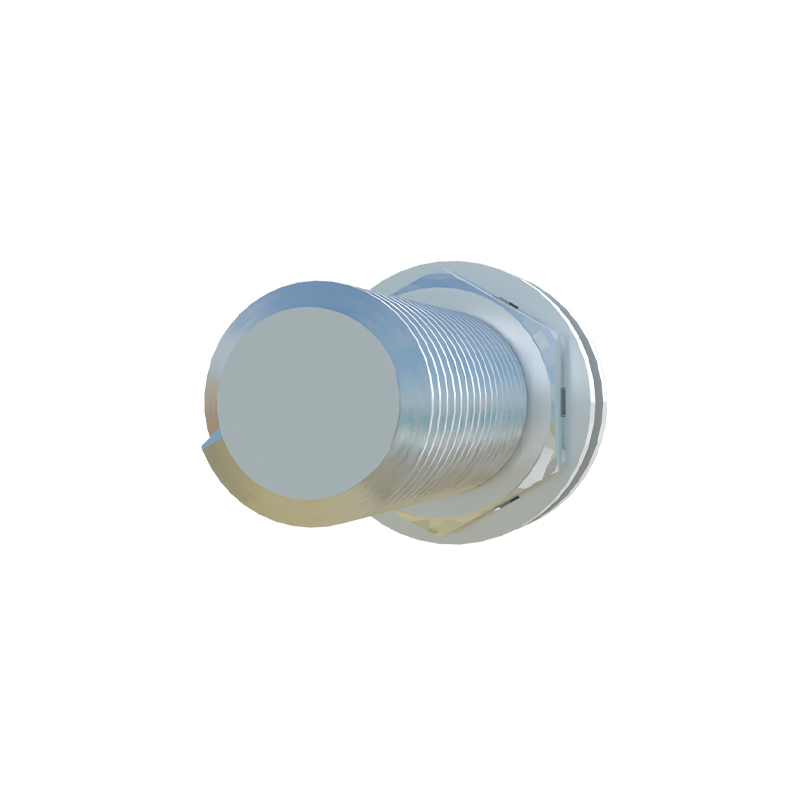
From an electrical engineering perspective, the clamp also contributes to system integrity. In environments with high electromagnetic interference (EMI) from motors, drives, or welding equipment, the metallic body of a proximity sensor can act as an antenna. A metal clamp, when properly grounded through the mounting structure, can provide an additional path to earth, helping to shunt disruptive noise away from the sensor's circuitry. This supplementary grounding, while not a replacement for proper shielded cabling, enhances the overall noise immunity of the sensing loop. Additionally, clamps prevent stress on the electrical connections. A sensor that is loose or vibrating can exert pull and torsion on its cable or connector, leading to wire fatigue, broken strands, and eventual connection failure. A secure clamp immobilizes the sensor body, ensuring all mechanical strain is borne by the clamp and mounting surface, not the electrical terminations.
The selection of the appropriate clamp is a deliberate engineering decision. Factors include the sensor's housing shape and size (e.g., tubular, rectangular), the required adjustment range for fine-tuning position, the material (zinc-plated steel for strength, stainless steel for corrosion resistance), and the mounting configuration (e.g., side-mount, flush-mount, bracket-style). Using a generic or makeshift mounting solution is a false economy. It risks sensor misalignment, premature failure, and costly unplanned downtime for troubleshooting and replacement.
In practice, the integration of the clamp is considered from the initial panel and machine design phase. Space must be allocated not just for the sensor, but for the clamp's footprint and the tool access needed for installation and adjustment. Maintenance procedures should include checking clamp tightness as part of routine inspections, as vibration can cause fasteners to loosen over time.
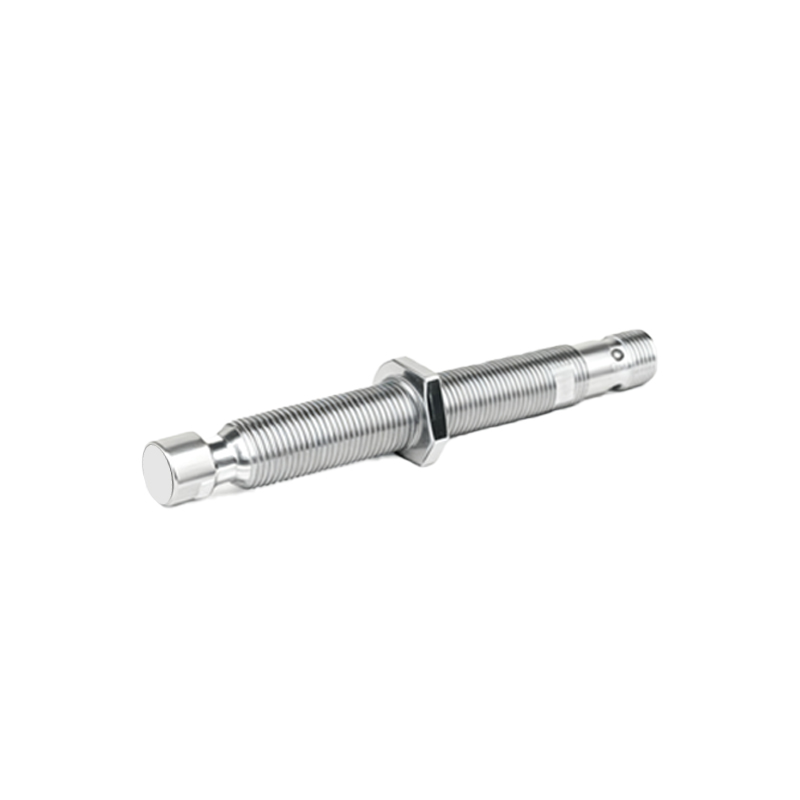
In conclusion, the humble clamp is a critical interface between the sophisticated electronics of a proximity switch sensor and the harsh reality of the industrial floor. It is the guarantor of positional integrity, a contributor to electrical stability, and a defender against physical and environmental abuse. Specifying and applying the correct clamp is not a mere afterthought; it is a best practice that directly impacts the performance, reliability, and total cost of ownership of the entire sensing system. Ignoring its role undermines the investment in high-quality sensing technology and jeopardizes the consistency of the automated process it serves.