In the rapidly evolving landscape of industrial automation, proximity sensors have become indispensable components, driving efficiency and precision across manufacturing, automotive, robotics, and logistics sectors. A proximity sensor trading hub serves as a centralized marketplace where manufacturers, suppliers, and end-users converge to exchange products, expertise, and innovations. This article delves into the critical role of such hubs, the types of sensors traded, and key considerations for engaging in this dynamic market.
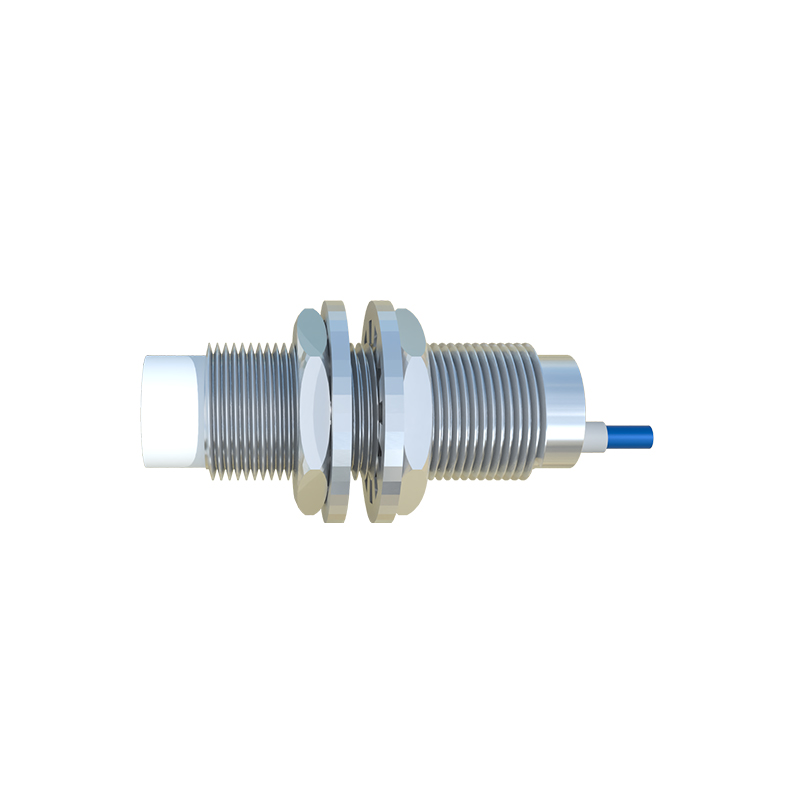
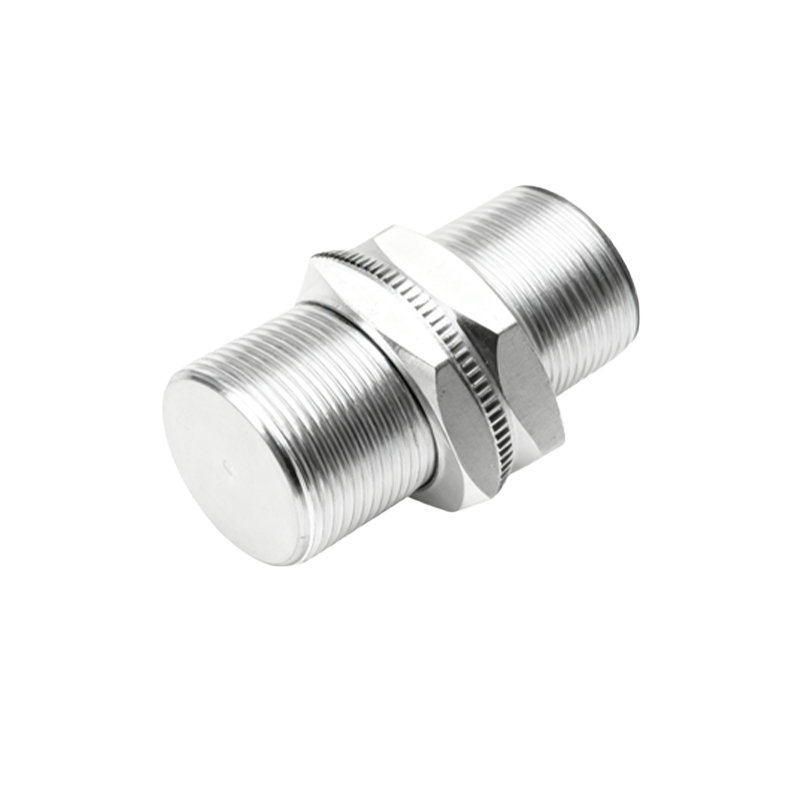
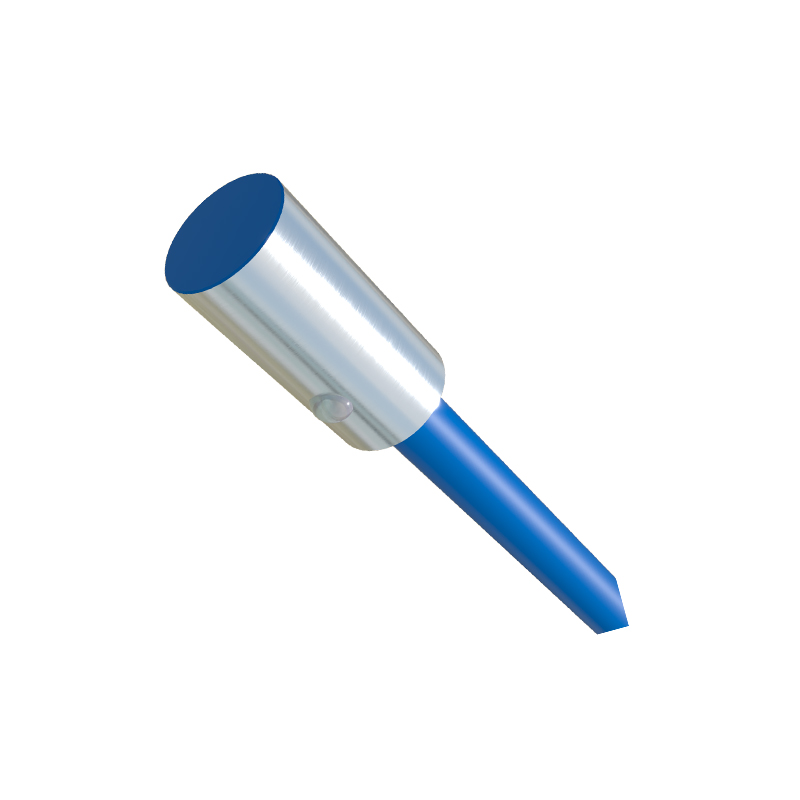
Proximity sensors are non-contact devices that detect the presence or absence of objects within a specific range. Common types include inductive, capacitive, ultrasonic, and photoelectric sensors, each suited to different applications based on factors like material composition, environmental conditions, and detection distance. Inductive sensors, for instance, excel in metal detection, while capacitive sensors handle non-metallic materials. Trading hubs aggregate these varieties, offering a one-stop solution for procurement needs.
The emergence of digital trading platforms has revolutionized how proximity sensors are bought and sold. These hubs provide real-time inventory data, technical specifications, and pricing comparisons, enabling buyers to make informed decisions quickly. For suppliers, they offer global reach and streamlined logistics, reducing lead times and operational costs. Additionally, many hubs integrate value-added services such as customization, technical support, and compliance certification (e.g., ISO, CE, UL standards), ensuring products meet industry requirements.
Key trends shaping the proximity sensor trading hub include the rise of Industry 4.0 and IoT integration. Smart sensors with connectivity features—like IO-Link, Ethernet/IP, or PROFINET—are in high demand, as they facilitate predictive maintenance and data analytics. Sustainability is another driver, with hubs increasingly offering energy-efficient and eco-friendly sensor options. Moreover, the post-pandemic shift toward supply chain resilience has accelerated adoption of hubs that emphasize transparency and redundancy.
For professionals navigating this market, several best practices are essential. First, verify supplier credentials and product authenticity to avoid counterfeit components, which can compromise safety and performance. Second, consider total cost of ownership, including installation, maintenance, and compatibility with existing systems. Third, stay updated on technological advancements, such as miniaturization and enhanced sensing ranges, to leverage competitive advantages. Finally, engage with hubs that foster community through forums, webinars, and expert consultations, as peer insights can guide optimal selections.
In conclusion, proximity sensor trading hubs are more than mere transactional spaces; they are ecosystems that fuel innovation and operational excellence. By understanding their functions and trends, industry stakeholders can optimize procurement strategies, enhance productivity, and stay ahead in a competitive global market. As automation continues to expand, these hubs will play an increasingly pivotal role in shaping the future of industrial sensing solutions.