In the landscape of industrial automation and control, the demand for reliable, non-contact sensing solutions is paramount. Among the various technologies available, Hall Effect proximity sensors have carved out a critical niche, offering robust performance in challenging environments. This article delves into the operational principles, diverse applications, and key considerations for selecting and implementing these versatile devices.
The fundamental principle behind a Hall Effect sensor is the generation of a voltage difference—the Hall voltage—across an electrical conductor when it is subjected to a perpendicular magnetic field and an electric current flows through it. This phenomenon, discovered by Edwin Hall in 1879, forms the basis for non-contact detection. In a typical Hall Effect proximity sensor, a semiconductor element (the Hall element) is integrated with signal conditioning electronics. When a magnetic field from a target (often a permanent magnet or a ferromagnetic object) approaches the sensor face, it alters the output state of the sensor. Unlike inductive sensors that require a metallic target, Hall Effect sensors specifically respond to magnetic fields, enabling detection of both magnetic and magnetized objects.
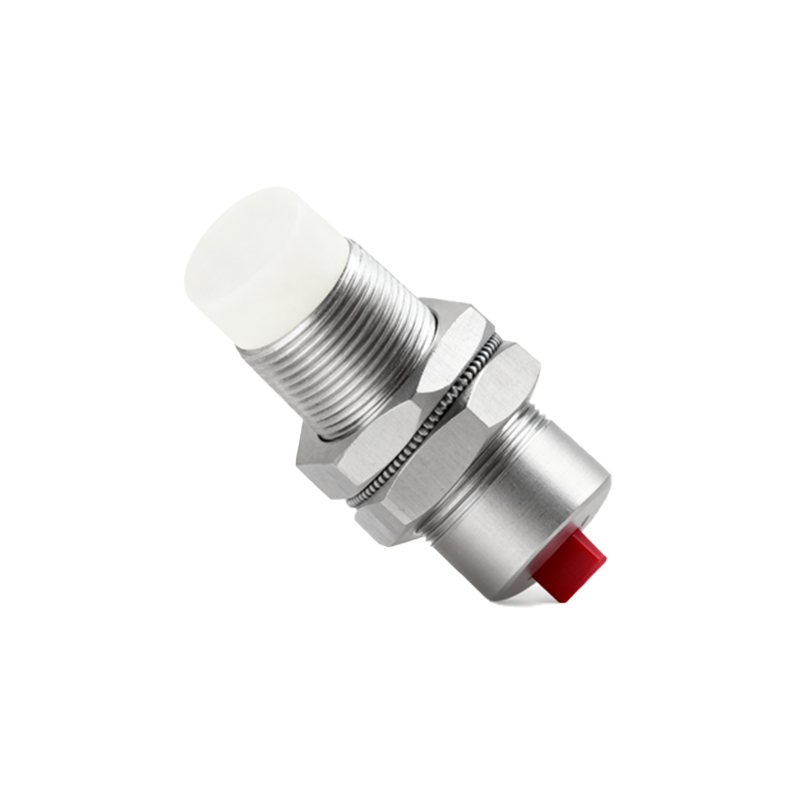
The advantages of this technology are significant. They provide true solid-state reliability with no moving parts, leading to exceptionally long service life and high resistance to mechanical wear. They are capable of high-speed switching, often into the kilohertz range, making them suitable for counting and speed measurement applications. Furthermore, they are largely immune to environmental factors such as dust, oil, and moisture (when properly housed), and they can operate across a wide temperature range. Their output signal is typically digital (ON/OFF), though linear output versions are available for precise position measurement.
Applications for Hall Effect proximity sensors are vast and span numerous industries. In the automotive sector, they are ubiquitous, used for crankshaft and camshaft position sensing, wheel speed sensing for anti-lock braking systems (ABS), and detecting seat belt engagement or door closure. In factory automation, they are employed for end-of-travel detection on linear actuators, verifying the presence of parts on conveyors, and providing feedback in robotic grippers. The consumer electronics industry relies on them for detecting flip/slide phone covers or laptop lid positions. They are also essential in brushless DC motors, where they commutate the windings by detecting the position of the rotor's permanent magnets.
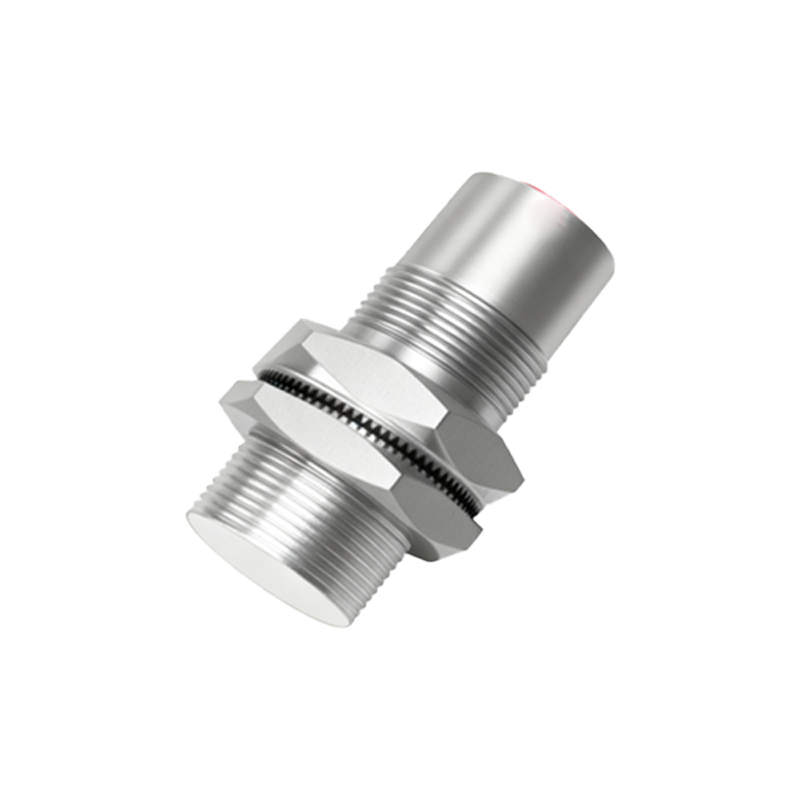
Selecting the right Hall Effect sensor requires careful analysis of several parameters. First, the sensing distance must be matched to the application, noting that the effective range is typically shorter than that of inductive sensors and is highly dependent on the strength and size of the magnet used. The type of output (NPN sinking, PNP sourcing, or push-pull) must be compatible with the controller's input module. Voltage rating (commonly 5V DC, 12-24V DC) and current sourcing/sinking capability are critical for proper circuit design. Environmental protection, denoted by IP (Ingress Protection) ratings, is crucial for installations exposed to washdowns or contaminants. Finally, the physical housing style (threaded barrel, rectangular block, or slot-style) must suit the mechanical mounting constraints.
Installation and maintenance best practices should not be overlooked. Ensuring the correct orientation between the sensor and the magnet is vital, as the Hall element is sensitive to the polarity and direction of the magnetic field. Shielding from strong external magnetic fields is sometimes necessary to prevent false triggering. While these sensors are very durable, periodic checks for output signal integrity and physical damage to the housing or cable are recommended as part of a preventive maintenance routine.
In conclusion, Hall Effect proximity sensors represent a mature yet continually relevant technology. Their unique ability to reliably sense magnetic fields provides solutions where other sensor types fall short. By understanding their operating principle, recognizing their ideal application scenarios, and following proper selection and installation guidelines, engineers and technicians can leverage these devices to enhance system reliability, efficiency, and intelligence across a broad spectrum of industrial and commercial applications. As automation evolves, the Hall Effect sensor remains a fundamental building block in the toolkit of modern sensing.