For decades, proximity switch sensors were considered premium components in industrial automation, often carrying a price tag that made them a significant line-item in project budgets. Today, however, the landscape has shifted dramatically. Engineers and procurement specialists are frequently surprised by the accessible pricing of high-quality proximity sensors. This shift isn't about a reduction in quality or performance; rather, it's the result of a powerful convergence of technological evolution, market forces, and manufacturing innovations.
The primary driver behind lower costs is the maturation and standardization of core sensing technologies. Inductive, capacitive, and ultrasonic proximity sensors have been in widespread use for over 40 years. The fundamental physics and integrated circuit designs behind these technologies are now exceptionally well-understood and optimized. Semiconductor manufacturers produce dedicated sensor ASICs (Application-Specific Integrated Circuits) in massive volumes, driving down the unit cost of the "brain" of the sensor. This economies of scale benefit all sensor manufacturers who integrate these reliable, off-the-shelf chips into their designs.
Furthermore, advancements in automated manufacturing have revolutionized production lines. Precision molding for sensor housings, automated coil winding for inductive types, and robotic assembly and calibration have drastically reduced labor costs and improved consistency. A sensor produced today on a fully automated line has a fraction of the direct manufacturing cost compared to one assembled manually two decades ago, even accounting for the capital investment in machinery. This automation also minimizes human error, leading to higher yields and less waste, further pushing prices down.
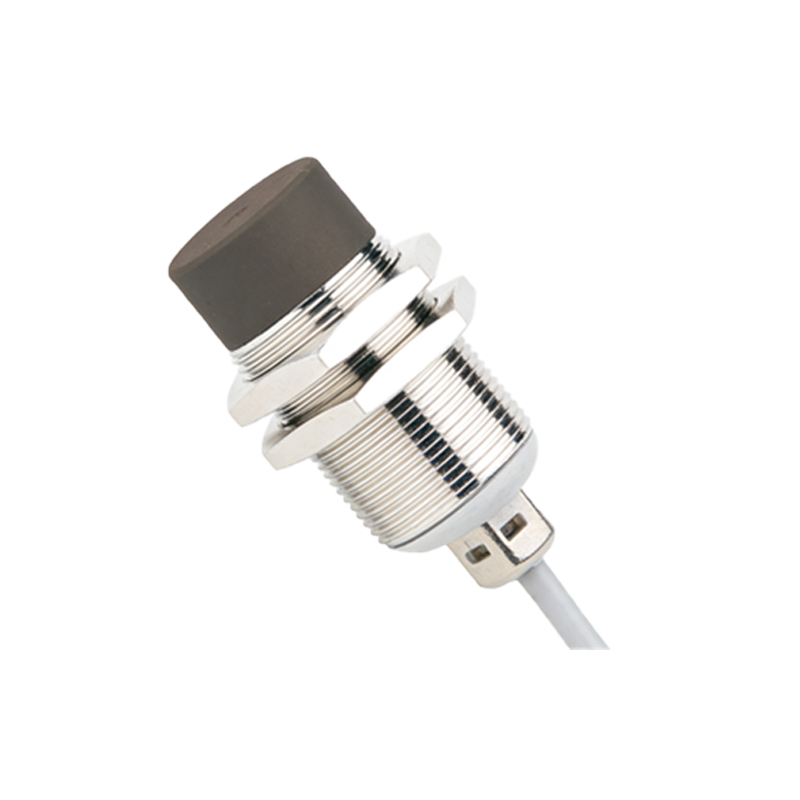
Global competition plays an undeniable role. The emergence of highly capable manufacturers, particularly in Europe, Asia, and North America, has created a robust, competitive market. This competition fosters continuous improvement in cost-efficiency and forces all players to offer greater value. It's no longer a market dominated by only two or three premium-priced brands. Buyers now have a spectrum of choices, from established top-tier brands to value-oriented manufacturers, all offering sensors that meet international standards like IEC 60947-5-2. This competitive pressure ensures that pricing remains aggressive and transparent.
Another key factor is the simplification of product lines and the rise of versatile, general-purpose models. While specialized sensors for extreme environments (e.g., high temperature, washdown) still command a premium, the vast majority of applications are served by standardized, cylindrical or block-style sensors. Manufacturers focus on producing these high-volume, universal designs in enormous quantities. Features that were once expensive add-ons, such as short-circuit protection, reverse polarity protection, and LED status indicators, are now standard even on economical models. This bundling of features delivers exceptional value at the point of purchase.
The supply chain and distribution model has also evolved. The growth of large, online industrial distributors and the practice of direct purchasing from manufacturer websites have increased price transparency and reduced traditional markups. Buyers can easily compare specifications and prices across dozens of brands, empowering them to make cost-effective decisions without sacrificing required performance. Bulk purchasing for OEM applications unlocks even more significant per-unit savings.
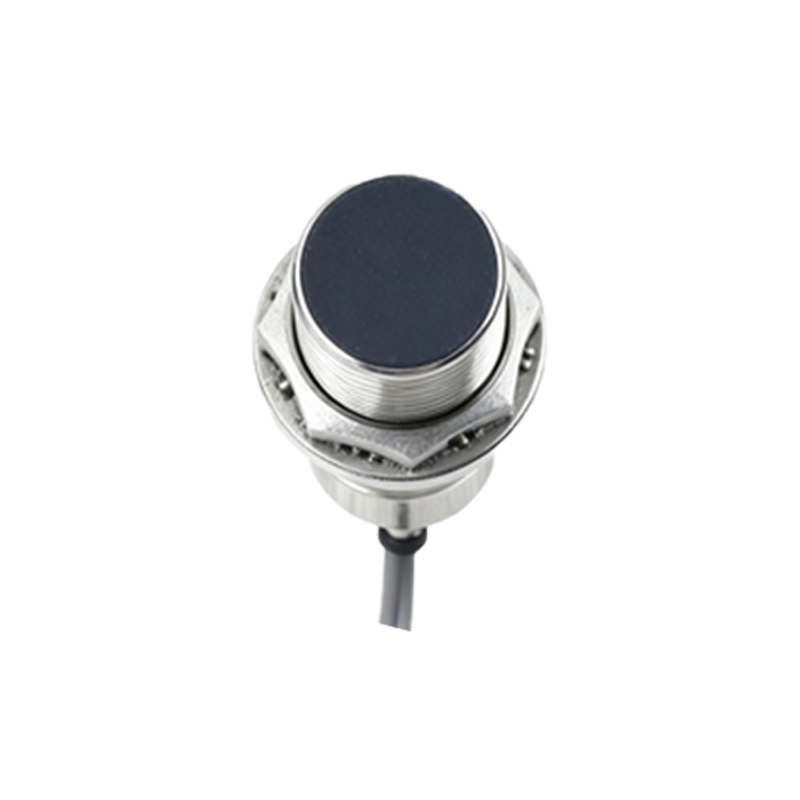
It is crucial to understand that lower price does not equate to lower reliability for standard applications. The rigorous testing and quality control processes ensure that even budget-friendly sensors offer impressive mean time between failures (MTBF). For standard machine automation, packaging lines, or material handling—where operating conditions are within standard industrial ranges—these affordable sensors provide a lifecycle cost that is exceptionally favorable. The reduced upfront capital expenditure allows engineers to deploy sensors more liberally within a system, enhancing overall machine functionality and diagnostic capabilities without blowing the budget.
In conclusion, the affordability of proximity switch sensors is a testament to industrial progress. It stems from technological maturity, automated manufacturing, fierce global competition, product standardization, and efficient distribution. For design engineers and plant managers, this presents a tremendous opportunity. It allows for more sophisticated sensor networks, easier upgrades of legacy equipment, and better overall return on investment for automation projects. The era of the proximity sensor as a costly luxury is over; it is now a highly accessible, reliable, and indispensable workhorse of modern industry.
SEO Keywords:proximity sensor price, affordable proximity switch, industrial sensor cost, automation components, sensor manufacturing
SEO Description:Explore the key reasons behind the significant cost reduction in proximity switch sensors, including technological maturity, automated production, and global competition, making them a highly cost-effective solution for modern industrial automation.