Laser proximity sensors are essential components in modern industrial automation, offering high precision, reliability, and versatility for various applications. These devices operate by emitting a laser beam and detecting changes in the reflected light to determine the presence, absence, or distance of an object. Based on their working principles and design features, laser proximity sensors can be categorized into several types, each suited for specific industrial environments and requirements.
One common type is the diffuse reflective laser sensor, which uses a single optical component to both emit and receive light. The sensor detects objects by measuring the intensity of light reflected directly from the target surface. This design makes it compact and cost-effective, ideal for applications where space is limited, such as in packaging machinery or conveyor systems. However, its performance can be influenced by the object’s color, texture, or reflectivity, requiring careful calibration for consistent results.
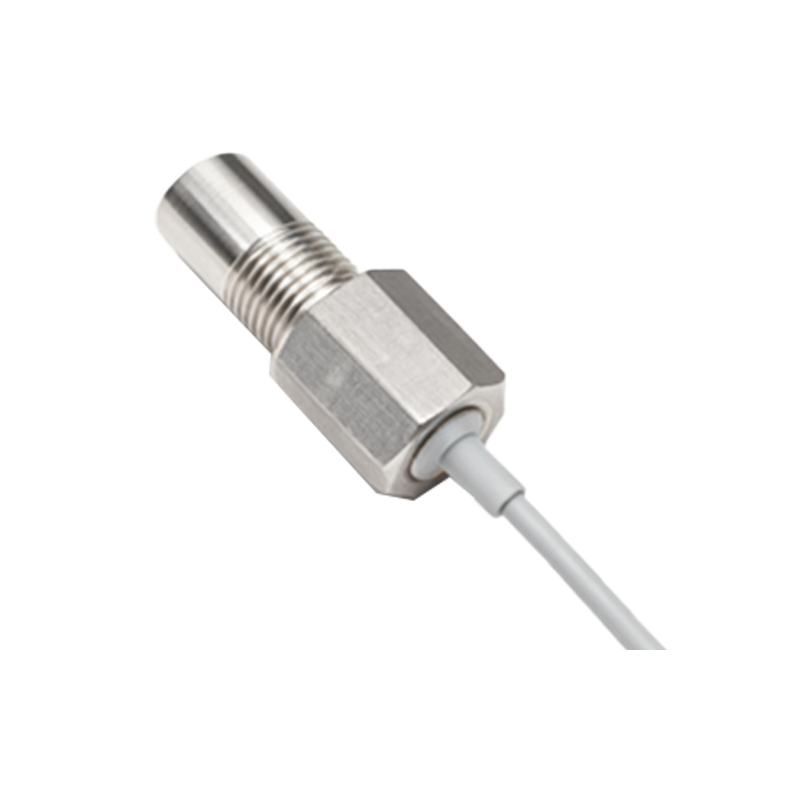
Another widely used category is the retro-reflective laser sensor, which incorporates a reflector to bounce the laser beam back to the receiver. This setup allows for longer detection ranges compared to diffuse sensors, making it suitable for monitoring large areas or high-speed production lines. Retro-reflective sensors are often employed in material handling, automotive assembly, and safety systems where reliable object detection over distances is critical. They typically include polarization filters to avoid interference from shiny surfaces, enhancing accuracy in challenging conditions.
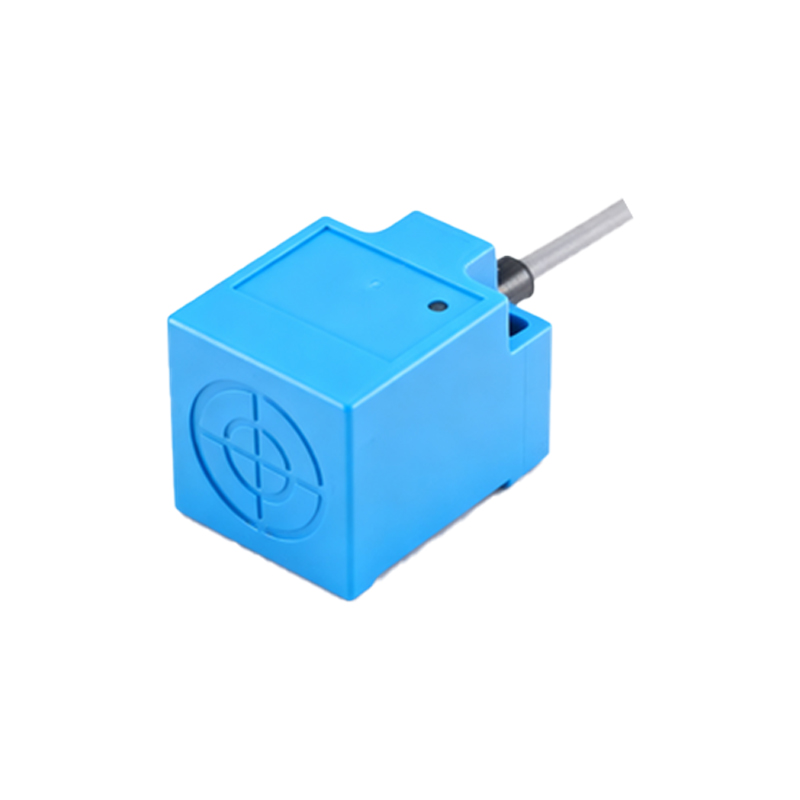
For applications demanding extreme precision, through-beam laser sensors offer the highest performance. These sensors consist of separate emitter and receiver units placed opposite each other, creating a continuous laser beam. An object is detected when it interrupts the beam, providing a highly accurate and stable signal unaffected by surface properties. Through-beam sensors are preferred in quality control, semiconductor manufacturing, and precision positioning systems, where even minor errors can lead to significant operational issues. Their main drawback is the need for precise alignment and installation of two components, which may increase setup complexity.
Background suppression laser sensors represent an advanced type designed to ignore objects beyond a set distance. By using triangulation or time-of-flight technology, these sensors focus on a specific detection zone, eliminating false triggers from the background. This capability is invaluable in applications like robotic guidance, warehouse automation, or sorting systems, where distinguishing between closely spaced objects is necessary. Background suppression sensors enhance operational efficiency by reducing downtime caused by erroneous readings.
Additionally, laser distance sensors utilize time-of-flight or phase-shift methods to measure exact distances to targets, rather than simple presence detection. They emit modulated laser pulses and calculate distance based on the time taken for the reflection to return. These sensors are integral to industries such as construction, logistics, and aerospace, where precise dimensional measurements or level monitoring are required. Their ability to provide continuous analog outputs enables integration with control systems for real-time adjustments.
Emerging trends include smart laser sensors with integrated IoT connectivity and data analytics features. These devices can self-diagnose, communicate with central networks, and adapt to changing environments, supporting Industry 4.0 initiatives. For instance, in predictive maintenance, smart sensors monitor equipment wear and alert operators before failures occur, minimizing unplanned downtime.
In summary, laser proximity sensors vary from basic diffuse models to sophisticated smart systems, each addressing distinct industrial needs. Factors like detection range, environmental conditions, target properties, and cost influence the selection process. As technology advances, these sensors continue to evolve, offering enhanced capabilities for automation, safety, and efficiency across global industries.