In the world of industrial automation and motion control, accurately measuring the speed of rotating or linearly moving components is a fundamental requirement. While various technologies exist for this purpose, proximity sensors have emerged as a highly reliable, non-contact solution for speed measurement tasks. Unlike traditional mechanical tachometers that require physical contact, proximity sensors offer durability, precision, and minimal maintenance, making them ideal for harsh or demanding environments.
At its core, a proximity sensor used for speed measurement detects the presence or absence of a target object without physical contact. For speed calculation, the sensor is typically positioned to face a rotating element, such as a gear, sprocket, or a shaft with dedicated targets like bolts or notches. As the target rotates, each tooth or feature passes by the sensor face. The sensor generates a discrete electronic signal—a pulse—for each target detected. By counting the number of pulses over a known period, the rotational speed can be precisely calculated. The formula is straightforward: Speed (in RPM) = (Number of pulses per revolution) / (Time in minutes). For linear speed, the principle adapts by measuring pulses from a marked belt or chain.
Several types of proximity sensors are commonly employed for speed sensing. Inductive proximity sensors are the most prevalent for metallic targets. They generate an electromagnetic field; when a ferrous metal target enters this field, it causes a change in oscillation, which the sensor detects, triggering an output switch. These are robust, cost-effective, and perfect for detecting gear teeth or keyways on steel shafts. Capacitive proximity sensors can detect both metallic and non-metallic materials (like plastic, wood, or liquid) by sensing changes in capacitance. They are useful in applications where the target material is not ferrous. Photoelectric sensors, though sometimes categorized separately, function on a proximity principle using light beams. A through-beam or retro-reflective sensor can be used where a clear line of sight is available, detecting interruptions in the light beam by target features.
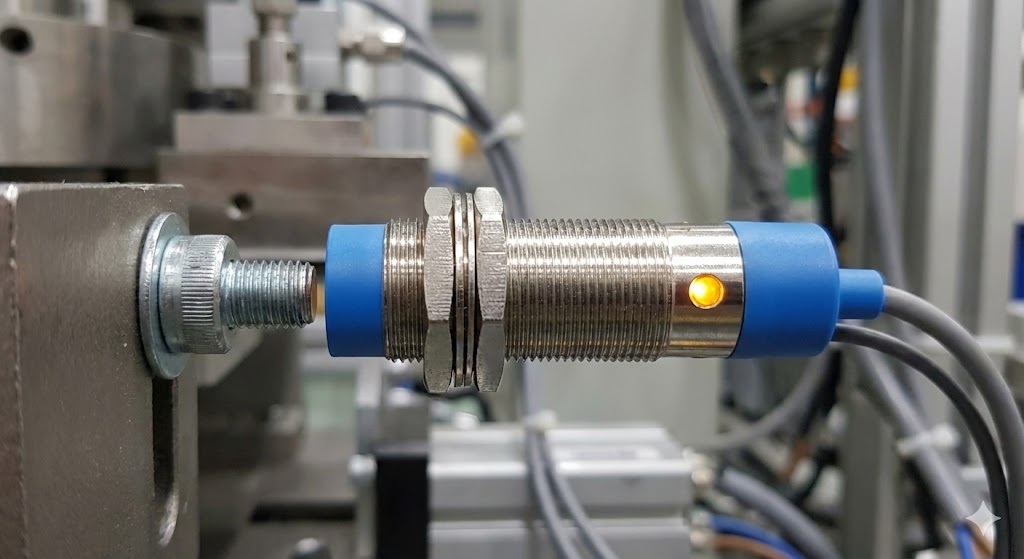
The advantages of using proximity sensors for speed measurement are significant. Their non-contact nature eliminates wear and tear, ensuring a long operational life and reducing downtime for maintenance. They are inherently resistant to environmental contaminants like dust, oil, and moisture, especially sensors with high Ingress Protection (IP) ratings. They provide fast response times, capable of detecting very high speeds, and deliver digital output signals that are easily interfaced with Programmable Logic Controllers (PLCs), frequency counters, or data acquisition systems. This integration facilitates real-time monitoring and control within a larger automated system.
Practical applications are vast across industries. In automotive manufacturing, inductive sensors monitor the RPM of assembly line rollers or the wheel speed for testing. In conveyor systems, they measure belt speed to synchronize processes or detect slippage. Within wind turbines, sensors monitor the low-speed rotation of the main shaft for performance and safety. On printing presses, they ensure precise synchronization of rollers by measuring their rotational speed. Even in everyday appliances like washing machines, a proximity sensor might be used to sense motor speed for spin cycle control.
Selecting the right proximity sensor for a speed measurement task requires careful consideration of several factors. First, identify the target material—ferrous metal, non-ferrous metal, or non-metal—to choose between inductive, capacitive, or photoelectric types. The sensing distance must be sufficient for the application, with a safety margin. The required switching frequency, which dictates how fast the sensor can respond, must exceed the maximum pulse frequency generated by the target. Physical size and mounting constraints are also critical, as is the environmental condition, necessitating appropriate housing materials and IP ratings. Finally, the output type (e.g., NPN, PNP, or analog) must be compatible with the control system's input card.
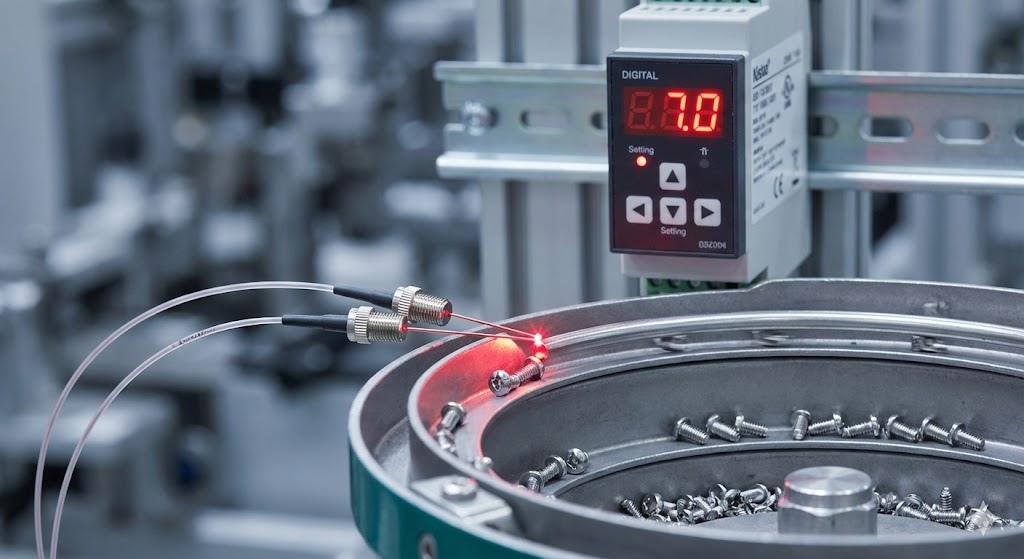
For optimal performance, correct installation is paramount. The sensor should be mounted securely to prevent vibration from causing false readings. The alignment between the sensor and the target features must be precise. The gap or sensing distance should be set according to the manufacturer's specifications, typically between 50% to 80% of the nominal sensing range to ensure a strong, consistent signal. Shielding or using sensors with built-in protection is advisable in electrically noisy environments to prevent signal interference.
In conclusion, proximity sensors provide a versatile and robust solution for measuring speed in countless industrial and commercial applications. By converting physical movement into clean, countable electronic pulses, they form a critical link between mechanical motion and digital control systems. Understanding their operating principles, types, and application requirements allows engineers and technicians to implement effective, reliable, and maintenance-free speed monitoring solutions that enhance productivity and system reliability.