Selecting the right proximity sensor is a critical decision in industrial automation and machinery design. These non-contact devices, which detect the presence or absence of an object within their sensing range, form the backbone of countless processes, from simple part detection to complex positioning tasks. An incorrect selection can lead to system failures, production downtime, and increased maintenance costs. This guide outlines the key factors engineers and system integrators must consider to ensure optimal performance, reliability, and cost-effectiveness.
The first and most fundamental step is defining the application's core requirements. What is the target material? Standard inductive sensors detect only metals, with different response characteristics for steel, aluminum, copper, and stainless steel. For non-metallic targets like wood, plastic, glass, or liquids, a capacitive proximity sensor is necessary. If the application requires detecting transparent objects or precise color differentiation, a photoelectric sensor might be the appropriate choice, though it falls under a broader category of presence detection.
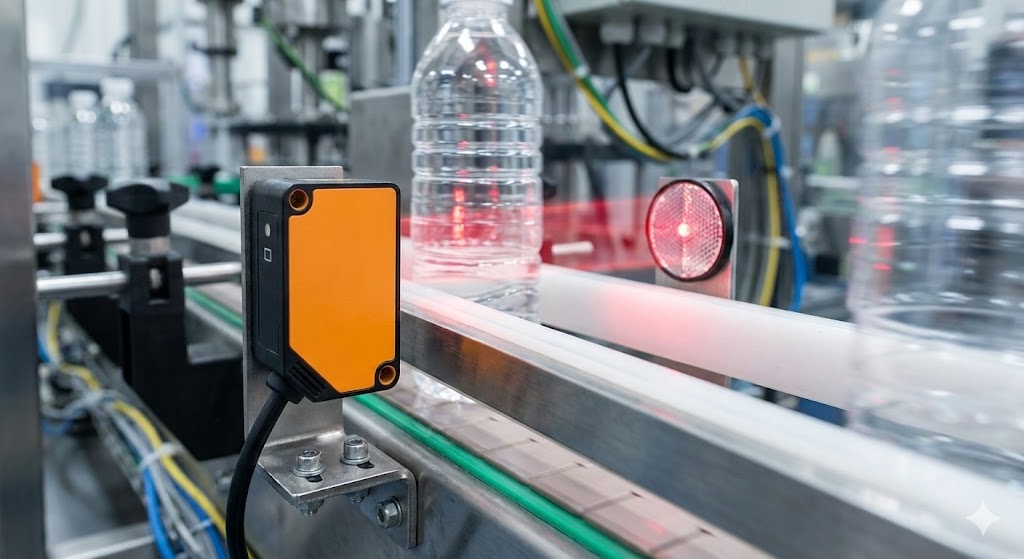
Next, consider the required sensing distance. The rated operating distance, or "Sn," is specified by manufacturers under standardized conditions. It is crucial to note that the actual usable sensing distance can be affected by the target material's size, shape, and composition. For inductive sensors, a factor of reduction is applied for non-ferrous metals. Always derate the nominal sensing distance and incorporate a safety margin, typically 10-25%, to account for installation tolerances, temperature drift, and supply voltage variations. The mounting style—flush (shielded) or non-flush (unshielded)—also significantly impacts the sensing range and installation constraints. Flush-mounted sensors can be installed metal-to-metal without false triggering but offer a shorter range.
The physical and environmental conditions of the installation site are paramount. Key specifications include:
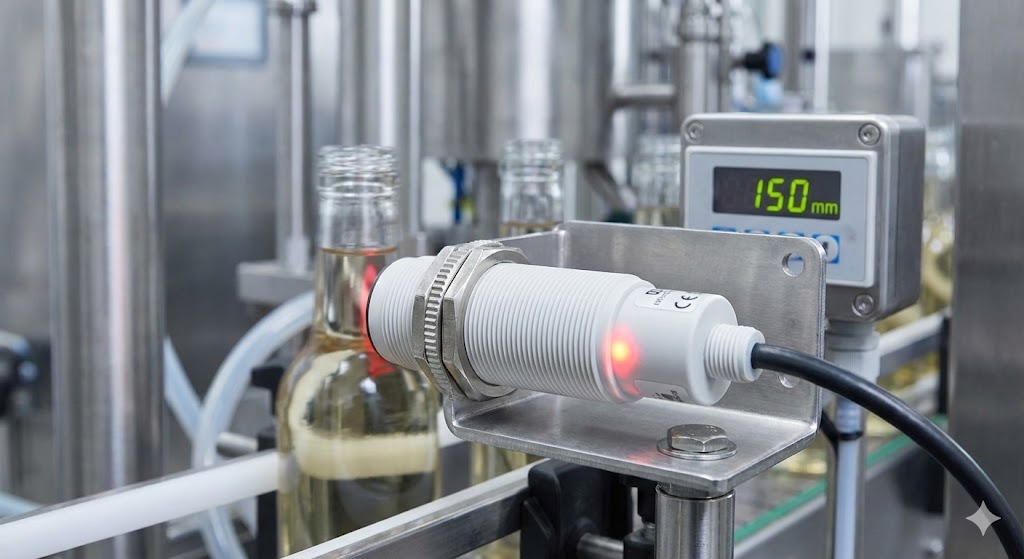
Housing Material: Common choices are nickel-plated brass, stainless steel (V2A/V4A), or PBT plastic. Stainless steel offers superior resistance to harsh chemicals, washdowns, and corrosive environments.
Ingress Protection (IP) Rating: This indicates protection against solids and liquids. An IP67 rating is standard for most industrial environments, signifying dust-tight and protection against temporary immersion. For food, beverage, or pharmaceutical applications requiring frequent high-pressure washdowns, an IP69K rating is essential.
Temperature Range: Ensure the sensor's operational temperature range covers both ambient conditions and any process-generated heat.
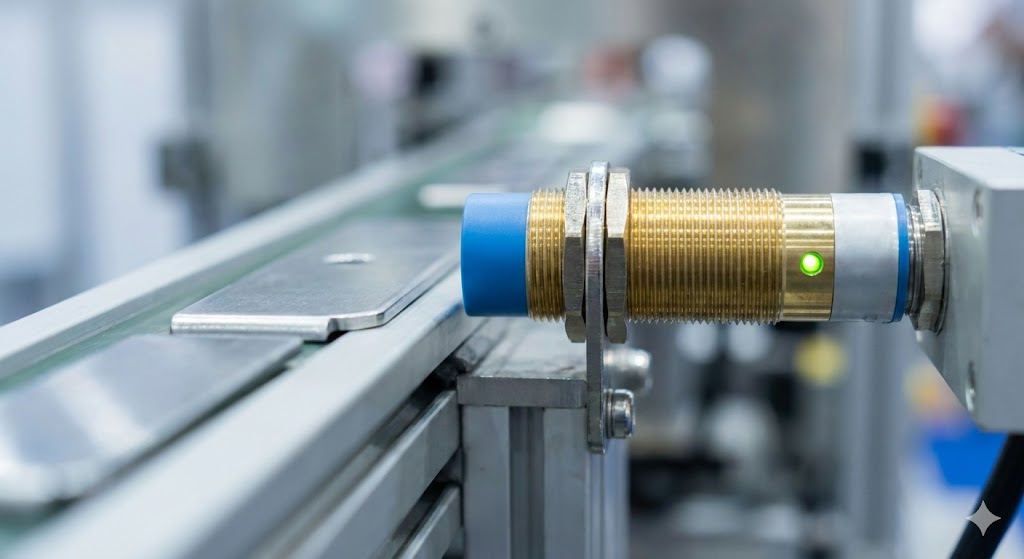
Electrical Output & Wiring: The output type must match the control system input. The classic choice is between PNP (sourcing) and NNP (sinking) DC configurations. Relay or analog current/voltage outputs (4-20mA, 0-10V) are used for proportional distance measurement. The connection method—cable, quick-disconnect (M8, M12), or terminal block—affects maintenance and replacement ease.
Performance characteristics cannot be overlooked. Switching frequency defines how quickly the sensor can respond to targets passing by. A high-speed packaging line requires a much faster sensor than a slow-moving conveyor. Hysteresis is the difference between the switch-on and switch-off points, which provides noise immunity and prevents output chatter when a target is at the sensing edge. Repeat accuracy is the sensor's ability to consistently detect a target at the same precise distance, vital for positioning applications.
Finally, integrate all the above with considerations for electrical compatibility (voltage range, current load), regulatory standards (UL, CE, ATEX for hazardous areas), and total cost of ownership, which includes not just the purchase price but also installation, maintenance, and potential downtime costs.
In conclusion, there is no universal "best" proximity sensor. A methodical selection process that rigorously evaluates the target material, required sensing distance, environmental challenges, electrical interface, and dynamic performance needs will lead to a robust and reliable solution. Consulting with sensor manufacturers' technical documentation and application engineers during the design phase is highly recommended to validate choices and avoid costly pitfalls in the field.