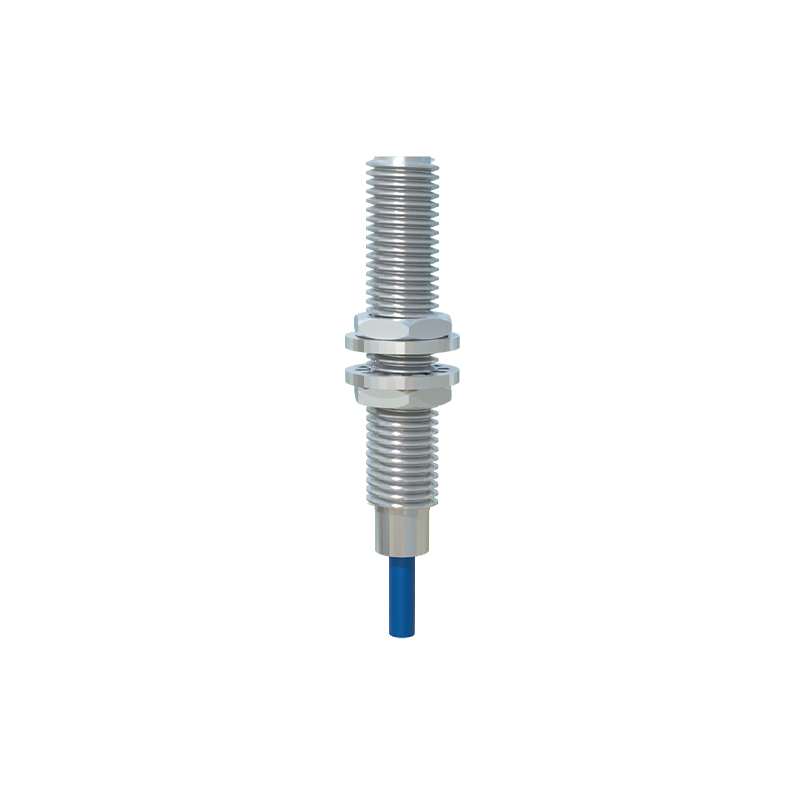
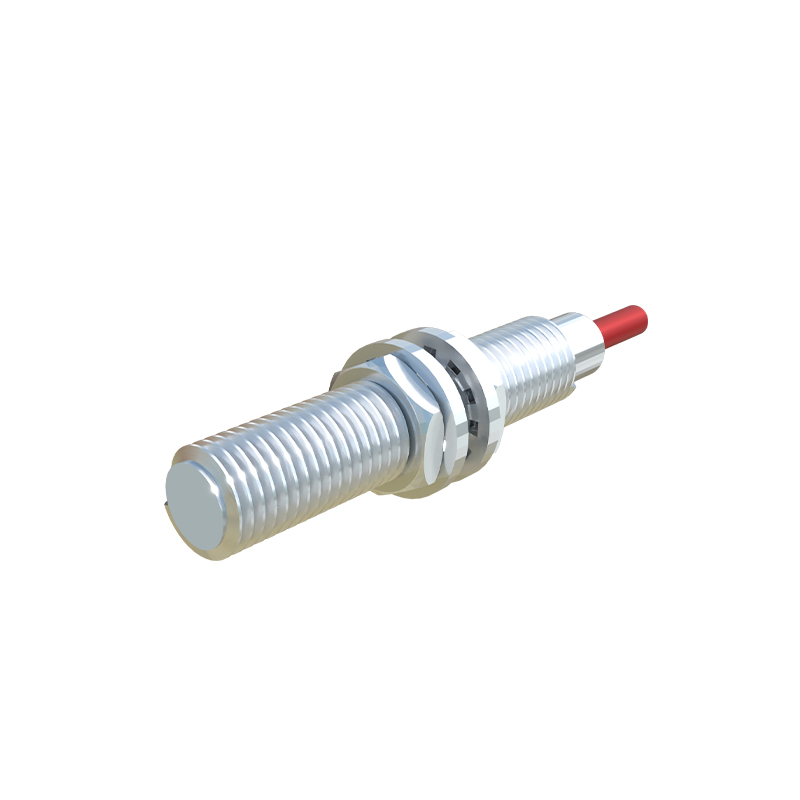
In the rapidly evolving landscape of industrial automation and machine safety, selecting the right proximity sensor is a critical decision that impacts operational efficiency, system reliability, and overall productivity. The emergence of new proximity sensor technologies—offering enhanced sensing ranges, improved immunity to environmental interference, and advanced diagnostic capabilities—presents both opportunities and challenges for procurement. The question of where to source these components is paramount. This guide provides a professional analysis of the optimal procurement channels for new, high-performance proximity sensors.
The primary and most reliable source for industrial-grade proximity sensors remains authorized distributors of major manufacturers. Companies like Siemens, Omron, Balluff, Pepperl+Fuchs, and IFM Electronic maintain extensive global networks of certified distributors. Purchasing through these channels guarantees access to genuine, latest-generation products. Key advantages include full technical support from trained application engineers, comprehensive warranty coverage, and assured traceability. Distributors often provide valuable services such as sensor configuration, sample testing, and integration advice tailored to specific applications, whether for inductive, capacitive, ultrasonic, or photoelectric sensing needs. For large-scale OEM projects or plant-wide retrofits, engaging directly with a manufacturer's regional sales office can facilitate customized solutions and volume pricing agreements.
Specialized industrial automation suppliers and catalog distributors have also significantly expanded their offerings. Reputable entities like RS Components, Digi-Key, and Allied Electronics stock a vast array of new proximity sensors from multiple brands. Their strength lies in rapid availability, user-friendly online platforms with detailed parametric search filters, and efficient logistics for small to medium quantity orders. These suppliers are excellent for prototyping, maintenance, repair, and operations (MRO) activities, or when a quick replacement is needed. It is crucial, however, to verify the specifications meticulously against the official manufacturer datasheets to ensure the selected model meets the exact requirements for factors like target material, switching frequency, and housing material (e.g., stainless steel vs. PBT).
The rise of e-commerce marketplaces cannot be ignored. Platforms like Amazon Business and eBay have sections dedicated to industrial components. While they can offer competitive pricing and fast shipping, extreme caution is advised. The risk of encountering counterfeit, refurbished, or obsolete products sold as new is substantially higher. For non-critical applications or when sourcing well-known part numbers from highly-rated, specialized industrial sellers with verifiable credentials, these platforms can be a supplementary option. However, for mission-critical automation, safety systems, or harsh environments, the potential cost savings are far outweighed by the risks of sensor failure and subsequent downtime.
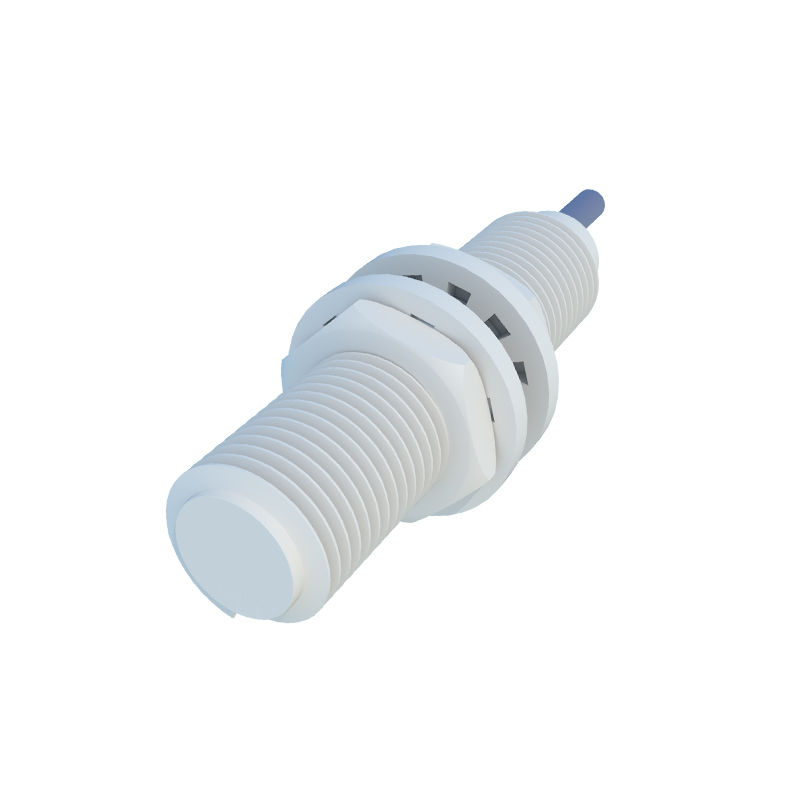
An increasingly important channel is the direct online storefront of the sensor manufacturers themselves. Many leading brands now operate robust e-commerce portals that sell directly to end-users and businesses. This channel combines the authenticity of buying from the source with the convenience of online shopping. It often provides access to the most comprehensive technical documentation, firmware updates, and application notes. Furthermore, some manufacturers offer online configuration tools that allow engineers to customize sensor parameters before purchase.
When evaluating where to buy, professionals should consider several technical and commercial factors beyond just price. Assess the supplier's ability to provide detailed environmental ratings (IP, NEMA), compliance certificates (UL, CE, ATEX for hazardous areas), and output types (PNP/NPN, analog, IO-Link). The availability of complementary accessories—such as mounting brackets, connector cables, and testing devices—is also a sign of a capable supplier. For implementing the latest smart sensor technologies featuring IO-Link communication for predictive maintenance data, choosing a supplier with demonstrable expertise in industrial networking is essential.
In conclusion, the optimal procurement path for new proximity sensors depends on the application's criticality, required technical support, order volume, and urgency. For assured performance and longevity in demanding industrial settings, authorized distributors and direct manufacturer channels remain the gold standard. Specialized industrial suppliers offer great convenience for verified part numbers, while general e-commerce platforms require diligent vetting. Always prioritize suppliers that provide transparent technical data, robust after-sales support, and a clear chain of custody for the components. Investing time in selecting the right source is as important as selecting the sensor itself, ensuring seamless integration and long-term operational success.