In the complex landscape of industrial automation, the selection of a proximity sensor manufacturer is a critical decision that directly impacts system reliability, efficiency, and long-term operational costs. Proximity sensors, the silent sentinels of modern machinery, detect the presence or absence of objects without physical contact, making them indispensable in applications ranging from assembly lines and packaging to robotics and safety systems. Choosing the wrong supplier can lead to frequent downtime, inconsistent performance, and increased total cost of ownership. Therefore, a methodical, criteria-based approach is essential for engineers and procurement specialists.
The first and foremost consideration must be Technical Expertise and Product Portfolio. A reputable manufacturer doesn't just sell sensors; they provide solutions. Evaluate their range. Do they offer inductive, capacitive, ultrasonic, and photoelectric sensors to cover diverse application needs? Examine the specifications: sensing distances, housing materials (e.g., nickel-plated brass, stainless steel), IP ratings for ingress protection, temperature tolerances, and output types (PNP/NPN, analog, IO-Link). A manufacturer with deep R&D capabilities will often have products designed for extreme environments—resistant to chemicals, weld-field immunity for inductive sensors, or high-pressure washdowns. Request detailed datasheets and application notes; their technical documentation's clarity is a reflection of their engineering rigor.
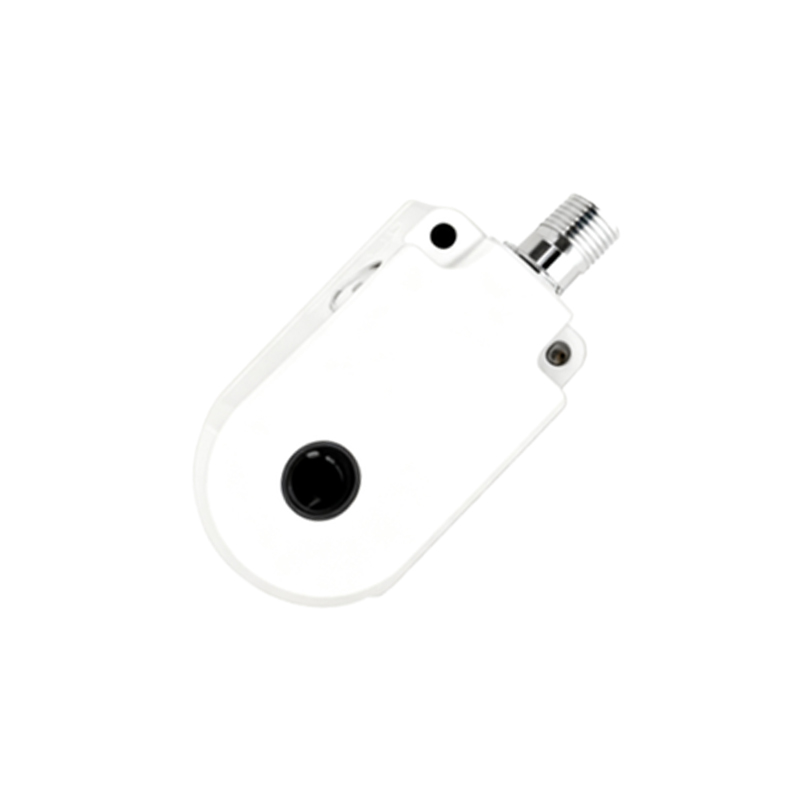
Quality and Reliability are non-negotiable. Inquire about the manufacturer's quality management systems. Certifications like ISO 9001 are a baseline. More telling are their internal testing protocols, mean time between failure (MTBF) data, and the robustness of their manufacturing processes. Do they use automated production and testing lines to ensure consistency? What is their policy on sample testing? A reliable partner will be transparent about their quality controls. Remember, a sensor failure in a critical process can halt an entire production line, costing thousands per minute. Investing in proven reliability from a trusted source is always cost-effective in the long run.
Application Support and Engineering Services often differentiate a good supplier from a great one. The best manufacturers have seasoned application engineers who understand real-world industrial challenges. Can they assist with sensor selection for a tricky application involving non-ferrous metals, transparent materials, or liquid level detection? Will they provide CAD models for easy integration into your machine design? Evaluate their pre-sales and post-sales support structure. A manufacturer with a global network of field engineers and distributors can offer invaluable local support for installation, troubleshooting, and optimization.
Supply Chain Stability and Logistics have become paramount in the post-pandemic era. Assess the manufacturer's manufacturing footprint and their ability to guarantee supply. Do they have multiple production facilities or strategic buffer stocks? What are their standard and expedited lead times? A flexible and resilient supply chain ensures you won't face project delays or maintenance headaches due to stock shortages. Furthermore, consider their packaging, labeling, and documentation—efficient logistics minimize handling errors in your receiving department.
Finally, consider the Total Cost of Ownership (TCO), not just the unit price. A cheaper sensor may have a shorter lifespan, higher failure rates, and require more frequent calibration or replacement. Calculate costs related to inventory, maintenance labor, and potential downtime. Manufacturers that offer innovative features like predictive maintenance diagnostics via IO-Link can significantly reduce unplanned stoppages. Evaluate their warranty terms and repair/return policies. A competitive price coupled with demonstrable longevity and support leads to the lowest TCO.
In conclusion, selecting a proximity sensor manufacturer is a strategic partnership. It requires looking beyond the catalog and engaging in technical dialogue. Prioritize manufacturers who demonstrate strong engineering foundations, unwavering commitment to quality, and a customer-centric approach to support. By rigorously evaluating candidates against these criteria—Technical Portfolio, Quality, Support, Supply Chain, and TCO—you will secure a reliable source for components that are vital to your automation system's seamless and productive operation. This diligent selection process is an investment in your operation's future resilience and efficiency.