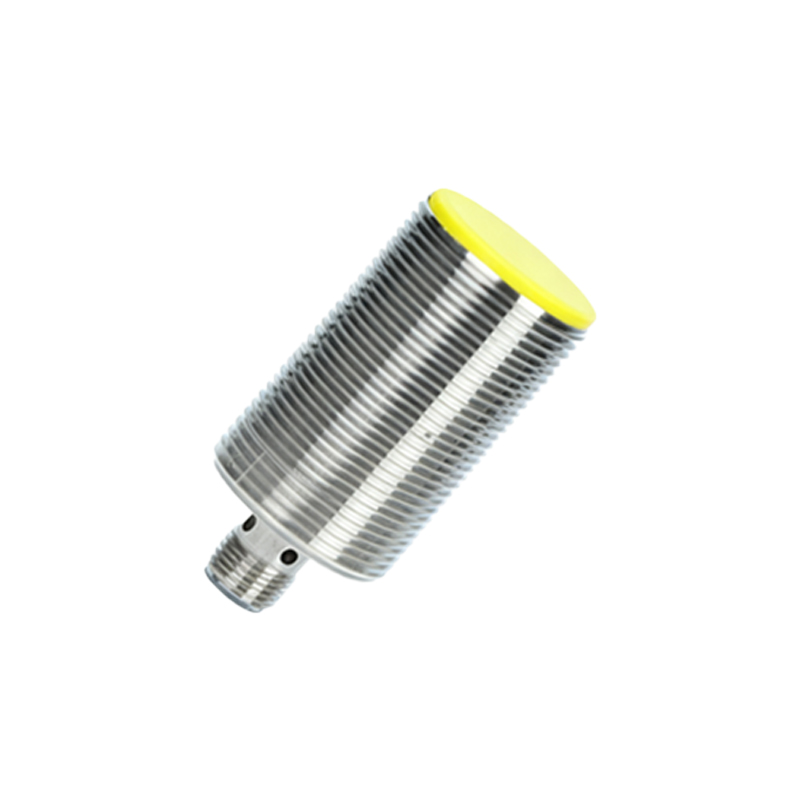
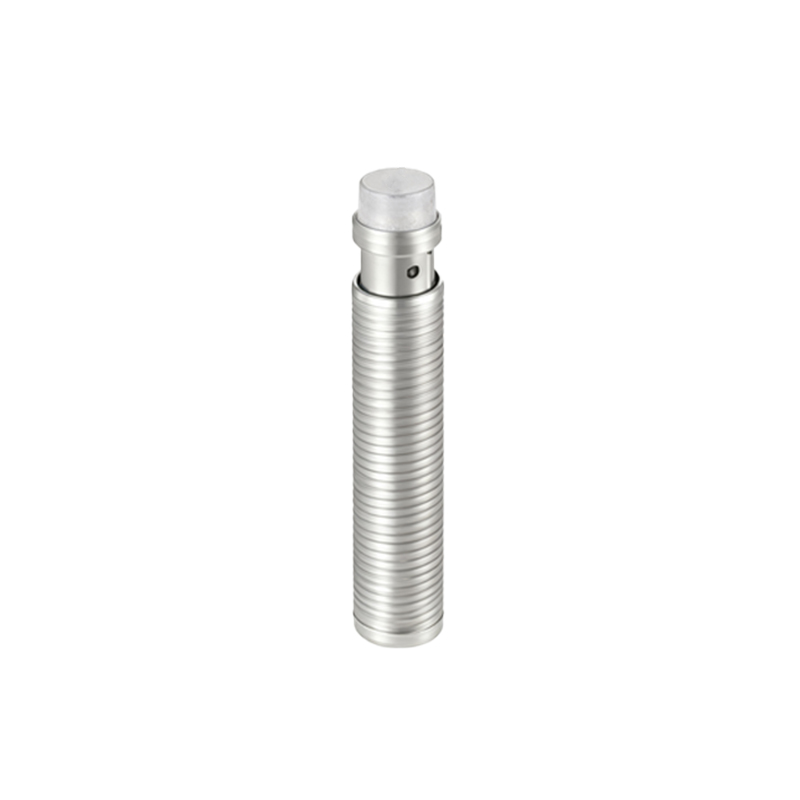
Proximity sensors have become indispensable components in modern industrial automation, offering non-contact detection of objects with high reliability and precision. These sensors operate by emitting an electromagnetic field or a beam of electromagnetic radiation and detecting changes in the field or return signal. The primary types include inductive, capacitive, ultrasonic, and photoelectric sensors, each suited to specific applications based on material properties, environmental conditions, and detection requirements.
In manufacturing lines, inductive proximity sensors are extensively used for metal detection. They can sense ferrous and non-ferrous metals without physical contact, making them ideal for counting parts, monitoring conveyor belt movements, and ensuring proper positioning in assembly processes. For instance, in automotive manufacturing, these sensors verify the presence of engine components or control robotic arms during welding operations, enhancing efficiency and reducing downtime due to misalignments.
Capacitive proximity sensors, capable of detecting both metallic and non-metallic materials such as plastics, liquids, and granules, find applications in packaging and food processing industries. They monitor fill levels in containers, detect material presence in hoppers, and ensure product integrity by identifying missing labels or caps. Their ability to function in dusty or humid environments makes them valuable in harsh industrial settings.
Ultrasonic sensors utilize sound waves to measure distance and detect objects, even in transparent or variably colored surfaces. They are commonly employed in logistics for palletizing, warehouse automation for inventory management, and collision avoidance in automated guided vehicles (AGVs). Their long-range detection capability allows for flexible installation and reliable performance in complex spatial arrangements.
Photoelectric sensors, using light beams, offer high-speed detection for a wide range of materials. In electronics assembly, they precisely position circuit boards, while in pharmaceutical production, they ensure accurate labeling and packaging. Advanced versions with fiber optics enable detection in tight spaces or extreme temperatures, supporting miniaturization and high-precision tasks.
Recent advancements include the integration of IoT connectivity and smart features, enabling predictive maintenance and real-time data analytics. Sensors with IO-Link communication provide diagnostic information, such as temperature fluctuations or contamination alerts, reducing unplanned outages. Additionally, miniaturized designs and enhanced durability against chemicals and vibrations have expanded their use in robotics and renewable energy systems, such as wind turbine monitoring.
Despite their benefits, selecting the right proximity sensor requires considering factors like sensing range, response time, and environmental interference. Proper shielding and calibration are essential to avoid false triggers from electrical noise or adjacent machinery. As industries embrace Industry 4.0, proximity sensors will continue to evolve, incorporating AI for adaptive sensing and supporting autonomous operations in smart factories. Their role in improving safety, productivity, and quality control underscores their critical importance across sectors from automotive to aerospace, driving innovation in automated systems worldwide.