In the realm of industrial automation, square proximity sensors are indispensable components, offering reliable non-contact detection of metallic objects. Their robust, often IP67-rated housing makes them ideal for harsh environments where dust, moisture, and mechanical impact are concerns. When procuring these sensors for a project, understanding the factors influencing the square proximity sensor price list is crucial for effective budgeting and system design. This article provides a detailed analysis of the cost structure and presents a representative pricing overview.
The pricing of square inductive proximity sensors is not arbitrary; it is determined by a confluence of technical specifications and market factors. Primarily, the sensing range is a key cost driver. Standard-range sensors (e.g., 2mm, 4mm, 8mm) are typically the most economical. As the required sensing distance increases to 15mm, 20mm, or even 30mm, the price rises accordingly due to more complex coil design and circuitry. The second major factor is the output configuration. Sensors with a standard 3-wire DC PNP (sourcing) or NPN (sinking) output are common and cost-effective. Models featuring analog outputs (4-20mA, 0-10V) or IO-Link digital communication for advanced diagnostics and parameterization command a premium. The inclusion of specialized outputs like short-circuit protection, reverse polarity protection, and overload protection also adds to the unit cost.
Material and build quality significantly impact both price and longevity. Sensors with stainless steel (particularly V2A or V4A grades) housings and sensing faces are more expensive than those with nickel-plated brass or PBT plastic housings but offer superior corrosion resistance in chemical or marine applications. The protection rating is another consideration. While IP67 is standard for most square sensors, versions rated IP68/IP69K for prolonged submersion or high-pressure washdown environments are priced higher.
Brand reputation and supply chain logistics play a substantial role. Established global manufacturers like Siemens, Omron, Pepperl+Fuchs, and Balluff generally have higher price points, justified by rigorous quality control, extensive R&D, global warranty, and application support. Conversely, competitive brands or generic equivalents may offer similar specifications at a lower cost, though potential trade-offs might exist in consistency, longevity, or availability of technical documentation. Furthermore, purchase volume dramatically affects the per-unit price. A one-off purchase from a distributor will be at list price, while an OEM contract for thousands of units will secure substantial discounts.
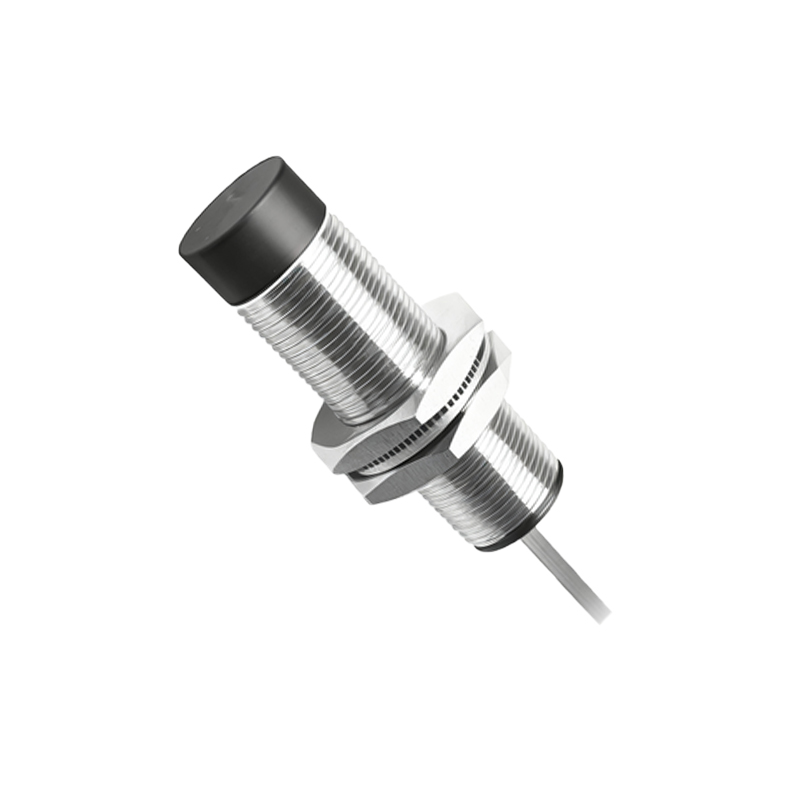
Representative Square Proximity Sensor Price List (Indicative Market Rates):
Economy Grade (Generic/Budget Brands): Basic 4mm range, 3-wire DC, PNP NO, Nickel-plated brass. Unit Price: $15 - $25.
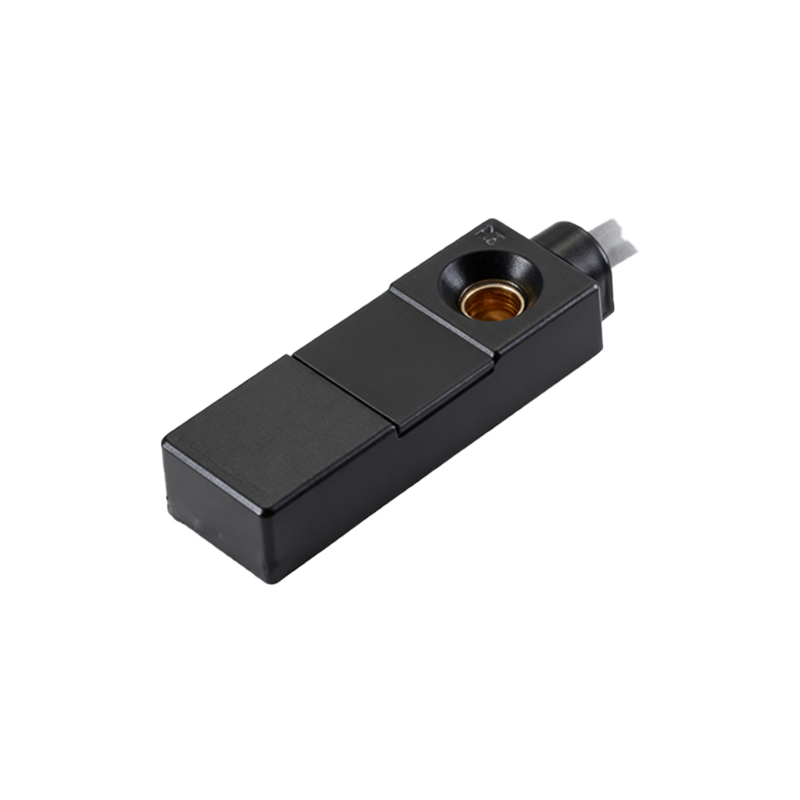
Standard Industrial Grade (Mid-Tier Brands): 8mm range, 3-wire DC, PNP/ NPN selectable, Stainless steel housing, IP67. Unit Price: $35 - $60.
Extended Range / Featured Models: 15mm-20mm range, 3-wire DC with advanced protection features, or with basic IO-Link functionality. Unit Price: $70 - $120.
High-Performance / Specialized: 30mm+ range, Analog output (4-20mA), Full IO-Link with data logging, V4A Stainless Steel, IP69K. Unit Price: $130 - $250+.
Beyond the initial sensor purchase price, Total Cost of Ownership (TCO) must be evaluated. This includes installation labor, wiring, potential downtime due to failure, and maintenance. Investing in a slightly more expensive, highly reliable sensor from a reputable brand can reduce unexpected downtime and replacement costs, proving more economical in the long run for critical processes.
When requesting a formal quotation, specify the exact requirements: sensing distance (Sn), target material (steel, aluminum, etc.), housing material and size (e.g., 40mm x 40mm), output type, voltage range, and required certifications (e.g., UL, CE). This ensures the quoted price is accurate and the sensor is fit for purpose. In conclusion, navigating the square proximity sensor market requires balancing technical needs with budget constraints. By understanding the detailed cost drivers outlined in this price list analysis, engineers and procurement specialists can make informed, cost-effective decisions that ensure both system performance and operational efficiency.