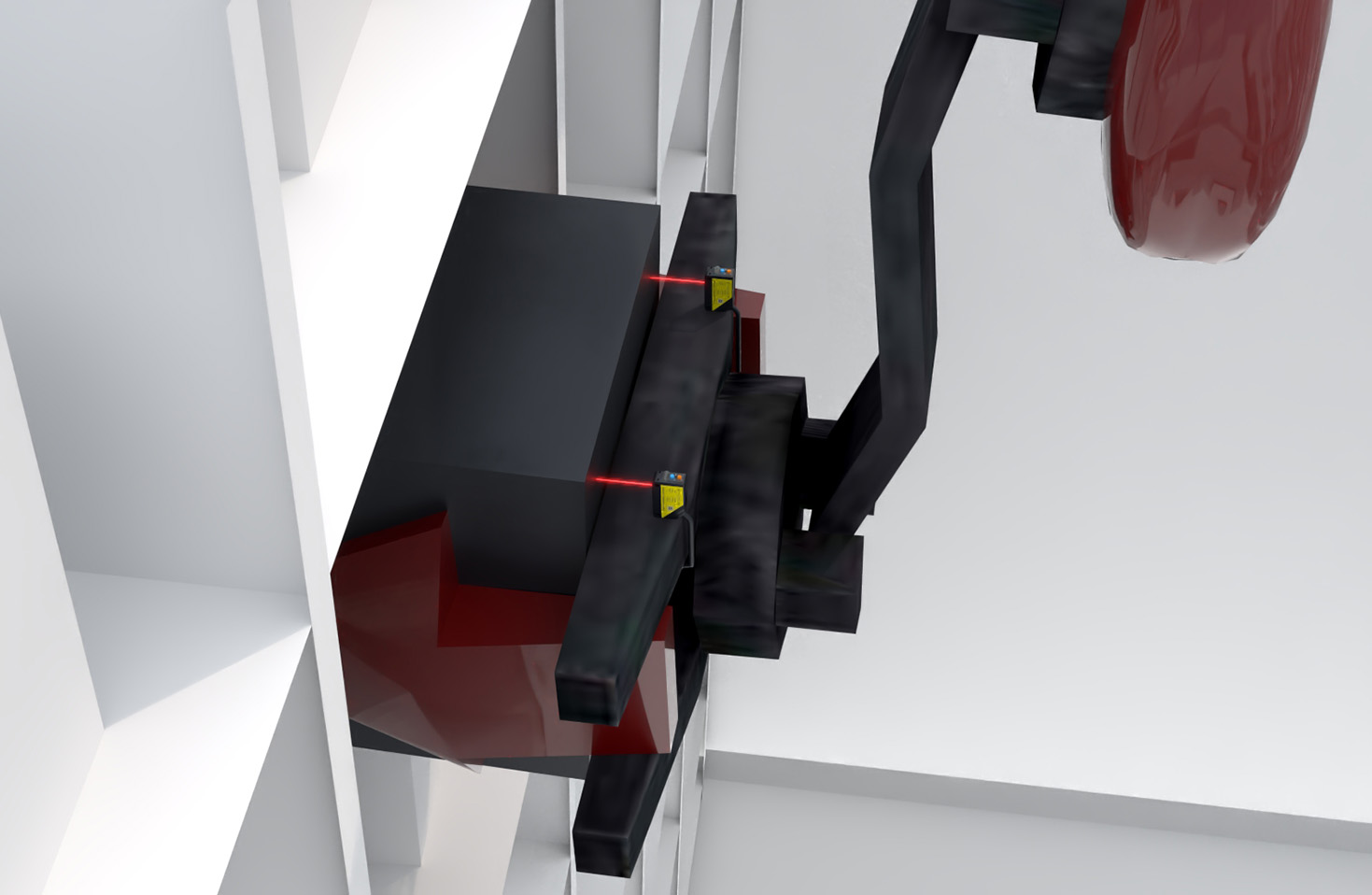
In the rapidly evolving landscape of automotive technology, Light Detection and Ranging (LiDAR) sensors have emerged as a cornerstone for Advanced Driver Assistance Systems (ADAS) and autonomous driving functionalities. As a senior electrical engineer specializing in automotive sensing systems, I will delve into the critical methodologies, challenges, and industry standards for testing and validating these sophisticated optical-electronic components. The primary objective is to ensure they meet stringent performance, safety, and reliability requirements under diverse real-world operating conditions.
LiDAR sensors operate by emitting pulsed laser light and measuring the time it takes for the reflections to return, creating high-resolution 3D point cloud maps of the surrounding environment. This data is fundamental for object detection, classification, and distance measurement. The testing paradigm for automotive LiDAR is multi-faceted, encompassing several key domains.
First, functional testing verifies the core operational parameters. This includes measuring the sensor's field of view (both horizontal and vertical), angular resolution, maximum and minimum detection range, range accuracy, and point cloud density. Testing must simulate various target properties, such as reflectivity (from dark, non-reflective surfaces to highly reflective materials), size, and shape. Environmental testing is equally crucial. LiDAR units must be validated across an extreme temperature range (typically -40°C to +85°C or beyond), under high humidity, and during exposure to intense vibration and mechanical shock to simulate road conditions. Resistance to contaminants like dust, water (ingress protection rating IP6K9K is common), and chemical exposure (e.g., road salt) is also rigorously assessed.
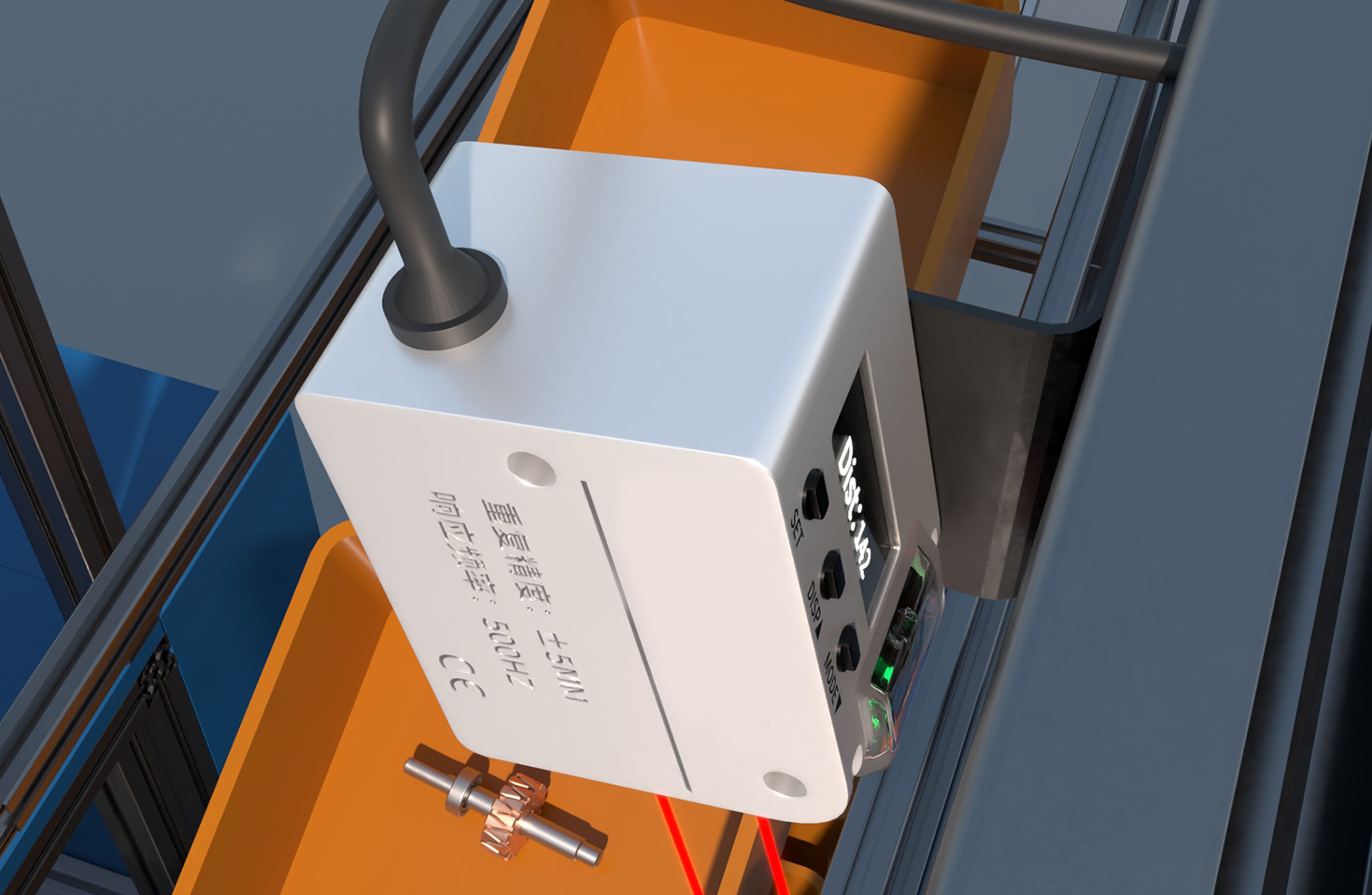
A significant portion of validation involves electro-optical performance under challenging ambient conditions. Sunlight immunity testing is paramount, as solar irradiance can saturate the sensitive photodetectors. Engineers use high-intensity solar simulators to test the sensor's ability to discriminate targets against strong background light. Similarly, performance in adverse weather—rain, fog, and snow—is evaluated, as precipitation can scatter and attenuate the laser pulses. Interference testing is another critical area, ensuring that multiple LiDAR units on nearby vehicles or infrastructure do not cause crosstalk or signal degradation.
Beyond the sensor hardware itself, testing integrates the LiDAR with the vehicle's perception software stack. This involves creating complex, repeatable scenario-based tests using software-in-the-loop (SIL) and hardware-in-the-loop (HIL) benches. These systems simulate dynamic traffic scenarios with virtual and physical targets to validate the entire perception pipeline—from raw point cloud generation to object list output. The alignment and calibration of the sensor on the vehicle (boresight alignment) are also verified to ensure the coordinate transformation from sensor frame to vehicle frame is accurate.
Data integrity and communication bus testing (e.g., Automotive Ethernet, CAN FD) are vital, as is ensuring compliance with functional safety standards like ISO 26262. This standard dictates rigorous processes for managing systematic and random hardware failures, requiring detailed Failure Mode and Effects Analysis (FMEA) and Fault Injection Testing (FIT).
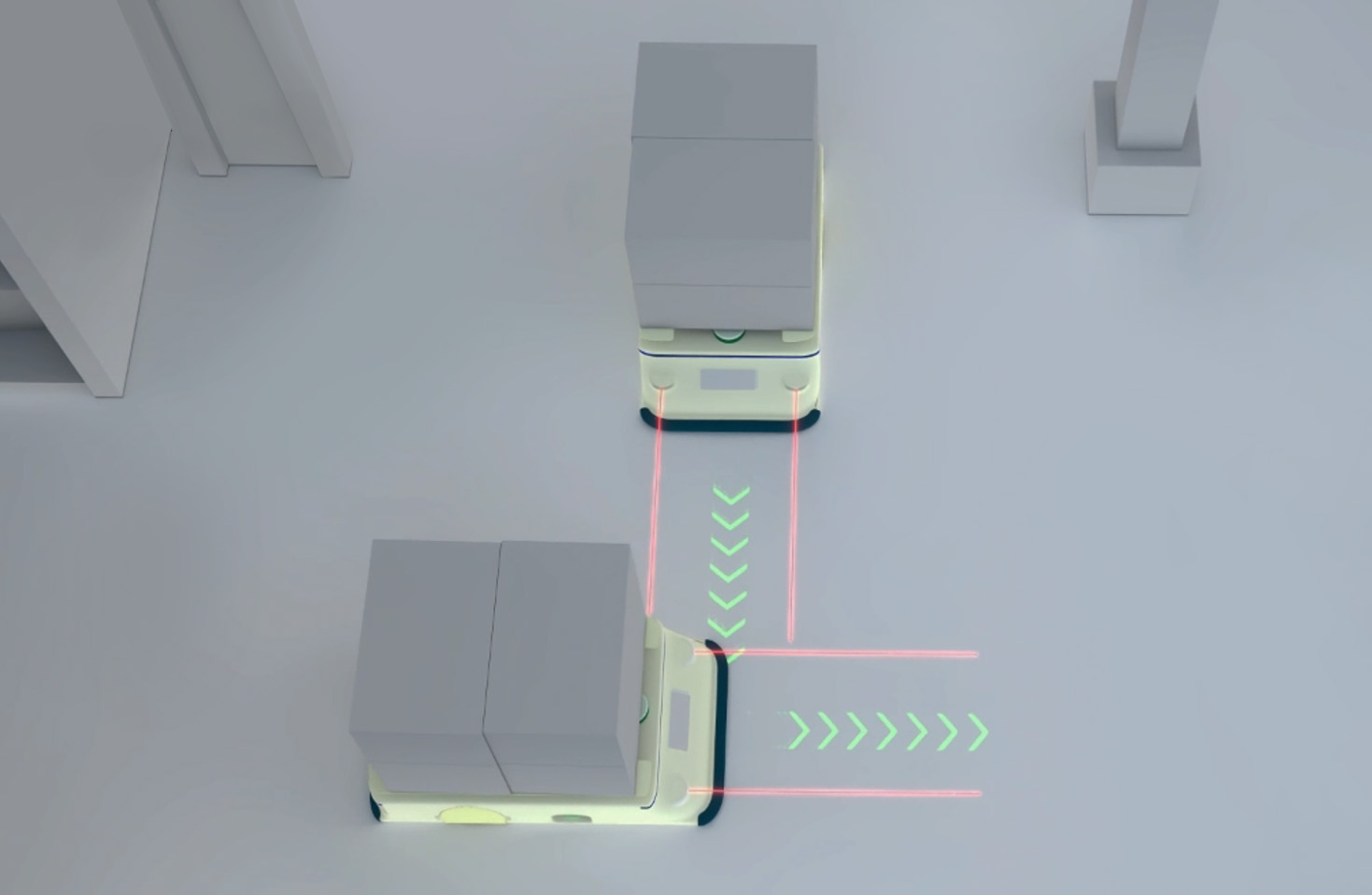
The industry is moving towards standardized test procedures. Organizations like SAE International and ISO are developing specific standards for ADAS sensor testing. Furthermore, regulatory bodies such as the Euro NCAP are increasingly incorporating sensor performance into their safety assessment protocols, pushing manufacturers toward more transparent and robust validation regimes.
In conclusion, the validation of automotive LiDAR sensors is a complex, systems-level engineering discipline. It requires a deep understanding of optics, electronics, software, and automotive environmental dynamics. A rigorous, multi-domain test strategy—from component-level characterization to full-system scenario validation—is non-negotiable for deploying safe and reliable ADAS features. As sensor fusion with cameras and radar becomes more prevalent, the testing frameworks will continue to evolve in complexity, demanding continuous innovation in test equipment and methodologies from engineering teams worldwide.