Apple's integration of LiDAR (Light Detection and Ranging) sensors into its consumer devices, notably the iPhone and iPad Pro, marks a significant leap in mobile technology. This advanced sensor system, originally rooted in automotive and industrial applications, has been meticulously adapted by Apple to enhance user experiences across photography, augmented reality (AR), and spatial awareness. Unlike traditional cameras that capture visible light, LiDAR employs invisible laser beams to measure the distance to objects by calculating the time it takes for light to reflect back. This enables the creation of detailed depth maps with remarkable speed and accuracy, even in low-light conditions.
The core of Apple's LiDAR technology lies in its direct time-of-flight (dToF) method. A laser emitter sends out short pulses of infrared light, while a sensor detects the reflections. Sophisticated algorithms then process this data to generate a real-time 3D map of the surroundings. This precision is crucial for AR applications, where virtual objects can be placed and interact realistically with physical environments. For instance, in furniture shopping apps, a virtual sofa can be accurately scaled and positioned in a user's living room, with proper occlusion behind real-world objects.
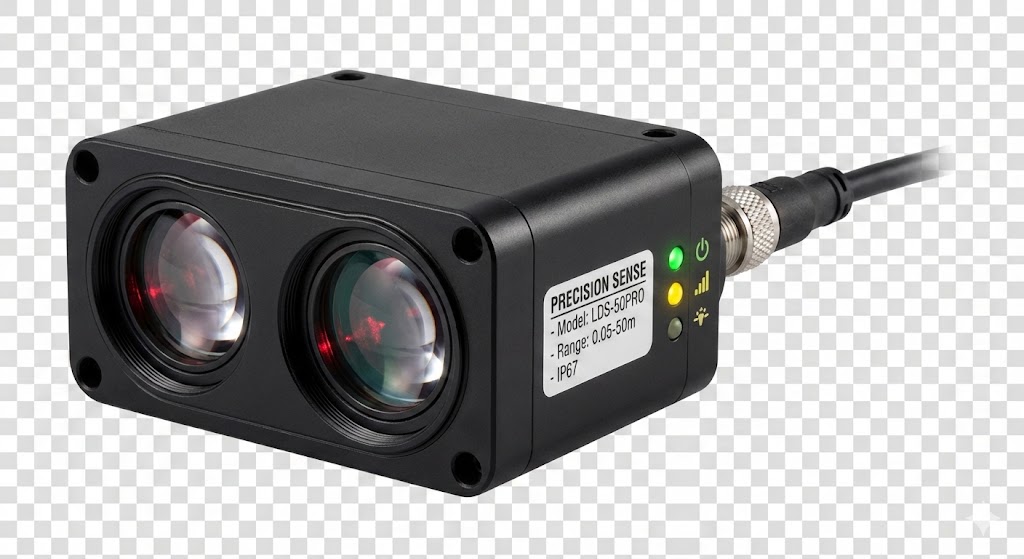
In photography, LiDAR dramatically improves autofocus performance, especially in portrait mode and night mode shots. By instantly gauging subject distances, the camera can achieve focus up to six times faster in low light, reducing blur and enhancing image clarity. Additionally, it aids in computational photography techniques like bokeh effects, ensuring smoother edges around subjects. The sensor also plays a vital role in accessibility features, such as assisting visually impaired users in navigating spaces by detecting obstacles.
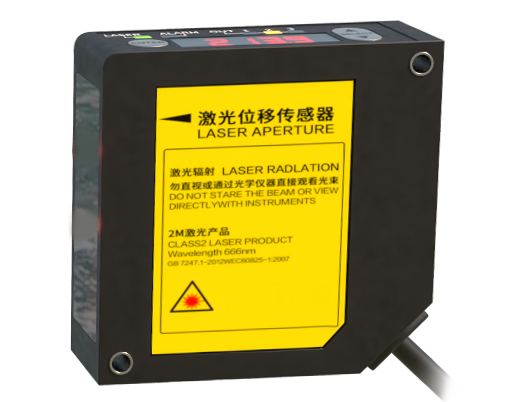
From an engineering perspective, Apple's implementation showcases miniaturization and power efficiency. The sensor is compact enough to fit within sleek device designs without compromising battery life. It operates seamlessly with other components like the A-series chips and iOS software, forming an integrated ecosystem that leverages machine learning for enhanced data interpretation. This synergy allows for features like Measure app, which turns devices into virtual tape measures with centimeter-level accuracy.
Looking ahead, Apple's investment in LiDAR signals a broader vision for spatial computing. Potential future applications extend to robotics, smart home automation, and advanced health monitoring. As the technology evolves, we can expect even finer resolution and longer range capabilities, paving the way for more immersive mixed-reality experiences. However, challenges remain, including cost reduction and further optimization for mass adoption.
In summary, Apple's LiDAR sensor is not merely an incremental upgrade but a transformative tool that bridges the digital and physical worlds. By bringing industrial-grade sensing to everyday devices, it empowers developers and users alike to explore new frontiers in creativity, productivity, and interaction. As this technology matures, its impact on consumer electronics will likely deepen, reinforcing Apple's position at the forefront of innovation.