In the rapidly evolving landscape of industrial automation and smart manufacturing, proximity sensors have become indispensable components. These non-contact devices detect the presence or absence of objects with high precision and reliability, forming the backbone of countless safety, control, and monitoring systems. The global market for proximity sensors is highly competitive, with manufacturers distinguished by their technological innovation, product quality, reliability, and global support networks. This article provides an authoritative ranking of the top 10 proximity sensor manufacturers based on comprehensive market analysis, technological leadership, and industry reputation.
Leading the pack is Sick AG, a German powerhouse renowned for its cutting-edge sensor technology. Sick's portfolio includes inductive, capacitive, and magnetic proximity sensors known for exceptional durability in harsh environments. Their focus on Industry 4.0 integration and IO-Link communication capabilities sets a high industry standard. Following closely is Omron Corporation from Japan. Omron's expertise in miniaturization and high-speed detection is unparalleled. Their E2E and E2A series are industry benchmarks, offering superior noise immunity and a vast range of sensing distances, making them a preferred choice for precision assembly and robotics applications.
Pepperl+Fuchs, another German leader, secures a top position through its specialization in intrinsic safety and explosion-proof sensors for hazardous areas. Their innovative designs and robust construction cater specifically to oil & gas, chemical, and pharmaceutical industries. Balluff GmbH, also from Germany, is celebrated for its modular and flexible sensor systems. Balluff's emphasis on RFID integration and smart sensor solutions provides exceptional value for complex automation tasks requiring data alongside detection.
Rockwell Automation (Allen-Bradley) from the United States holds a dominant position, particularly in North America. Their sensors are deeply integrated with the Allen-Bradley control ecosystem, offering seamless connectivity and simplified diagnostics within PlantPAx and other architectures. IFM Electronic, a German innovator, is distinguished by its user-friendly design and comprehensive diagnostic features. IFM's sensors often incorporate condition monitoring, predicting maintenance needs before failure occurs, which is a significant advantage for predictive maintenance strategies.
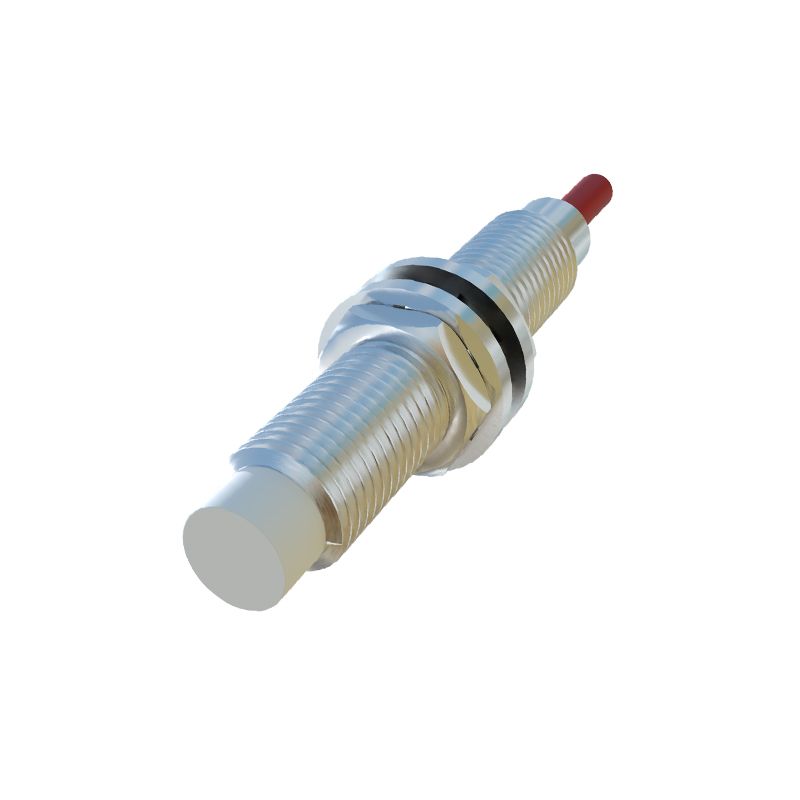
Keyence Corporation of Japan is a trendsetter in high-performance and ultra-compact sensor design. Keyence focuses on providing complete solutions with advanced features like precise analog output and background suppression, often leading the market in introducing novel sensing principles. Turck, a German multinational, excels in producing ruggedized sensors for extreme conditions. Their extensive line of M12 and M8 connector-based sensors, along with a strong portfolio of block-style sensors, is ideal for heavy machinery and mobile equipment.
Panasonic Corporation from Japan leverages its vast electronics expertise to produce highly reliable and cost-effective proximity sensors. Their offerings are widely used in consumer electronics manufacturing and automotive industries, where consistent performance at scale is critical. Finally, Schneider Electric (Telemecanique Sensors) from France rounds out the top ten. Schneider provides a robust, globally available range of sensors known for their reliability and ease of integration into broader energy management and automation systems.
The ranking of these manufacturers is dynamic, influenced by ongoing R&D in areas like IIoT connectivity, energy efficiency, and enhanced sensing ranges. The future will likely see increased consolidation and a stronger emphasis on sensors that provide actionable data analytics, moving beyond simple detection to become intelligent nodes within the industrial network. Choosing the right manufacturer depends on specific application requirements, environmental conditions, required communication protocols, and the necessary level of integration with existing control systems. These top ten companies represent the pinnacle of current technology and are best positioned to drive the next wave of innovation in proximity sensing.