Proximity sensors have become indispensable components in modern industrial automation, offering a range of benefits that enhance efficiency, safety, and reliability. These non-contact detection devices are designed to sense the presence or absence of objects without physical contact, making them ideal for harsh or demanding environments. One of the primary advantages is their durability and longevity. Since there is no mechanical wear from physical contact, proximity sensors exhibit extended operational lifespans, reducing maintenance costs and downtime. They are inherently resistant to environmental factors such as dust, moisture, oil, and vibrations, ensuring consistent performance in challenging conditions like manufacturing floors or outdoor installations.
Another significant benefit is the high-speed response capability. Proximity sensors can detect objects at rapid rates, often in milliseconds, which is crucial for high-speed production lines, sorting systems, or robotic applications. This swift detection enables precise timing control, improving throughput and process accuracy. Additionally, their non-contact nature eliminates the risk of damaging sensitive or fragile objects during detection, preserving product integrity in industries like electronics, packaging, or pharmaceuticals.
Energy efficiency is also a notable advantage. Many modern proximity sensors, especially inductive or capacitive types, consume minimal power while providing reliable operation. This aligns with sustainable industrial practices and helps reduce overall energy costs. Furthermore, these sensors offer versatile mounting and integration options. With compact designs and various housing materials (e.g., stainless steel, plastic), they can be easily installed in confined spaces or integrated into existing machinery without major modifications.
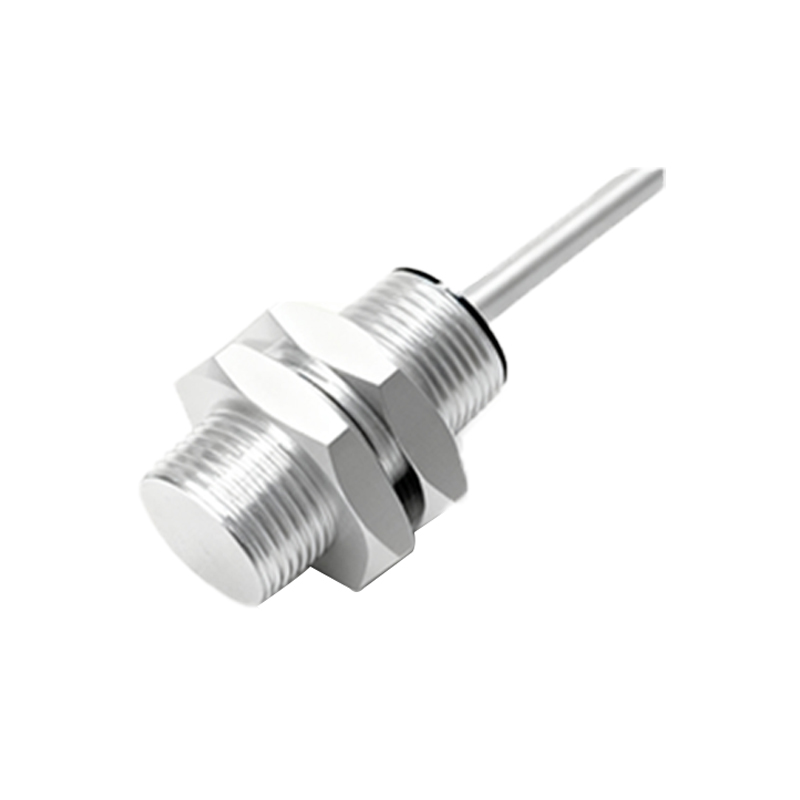
In terms of functionality, proximity sensors provide high repeatability and accuracy. They deliver consistent detection results over time, minimizing errors in positioning, counting, or monitoring tasks. This reliability supports quality control processes and reduces waste. Advanced models also feature diagnostic capabilities, such as output status indicators or self-monitoring functions, which simplify troubleshooting and enhance system transparency.
Safety improvements are another key aspect. By enabling non-contact detection, proximity sensors help create safer work environments by reducing the risk of accidents associated with moving parts or manual interventions. They are commonly used in safety interlocks, machine guarding, and automated emergency stops. Moreover, their compatibility with programmable logic controllers (PLCs) and industrial networks facilitates seamless data exchange, supporting real-time monitoring and smart factory initiatives.
In summary, the advantages of proximity sensors—including durability, high-speed response, energy efficiency, versatility, accuracy, and safety enhancements—make them vital for optimizing industrial operations. As technology evolves, innovations like IO-Link connectivity or enhanced sensing ranges continue to expand their applications, driving productivity and innovation across sectors from automotive to food processing.