In the intricate world of industrial automation and machinery, the reliability of every component is paramount. Among these critical, yet often understated elements, are proximity sensor spring pads. These small, specialized components play a vital role in ensuring the accurate and consistent operation of inductive, capacitive, and magnetic proximity sensors. Far from being mere spacers, they are engineered solutions designed to address common challenges in sensor mounting and performance.
A proximity sensor spring pad is essentially a conductive metal disc, typically made from materials like beryllium copper, stainless steel, or phosphor bronze, integrated with a spring mechanism. It is installed between the sensing face of a proximity sensor and its mounting bracket or nut. The primary function is to maintain constant, optimal physical and electrical contact between the sensor and the metal mounting surface, even in environments subject to vibration, thermal expansion, or minor misalignments.
The operational principle is straightforward but effective. The integrated spring applies consistent pressure, ensuring the sensor body is securely grounded to the machine frame. This grounding is crucial for two key reasons. First, it creates a Faraday cage effect, shielding the sensor from external electromagnetic interference (EMI) that could cause false triggering or signal noise. Second, it establishes a stable reference potential, which is essential for the sensor's internal oscillator circuit to function correctly, particularly for inductive sensors. Without this secure ground connection, a sensor's sensing range can become unstable or significantly reduced, leading to unreliable machine operation.
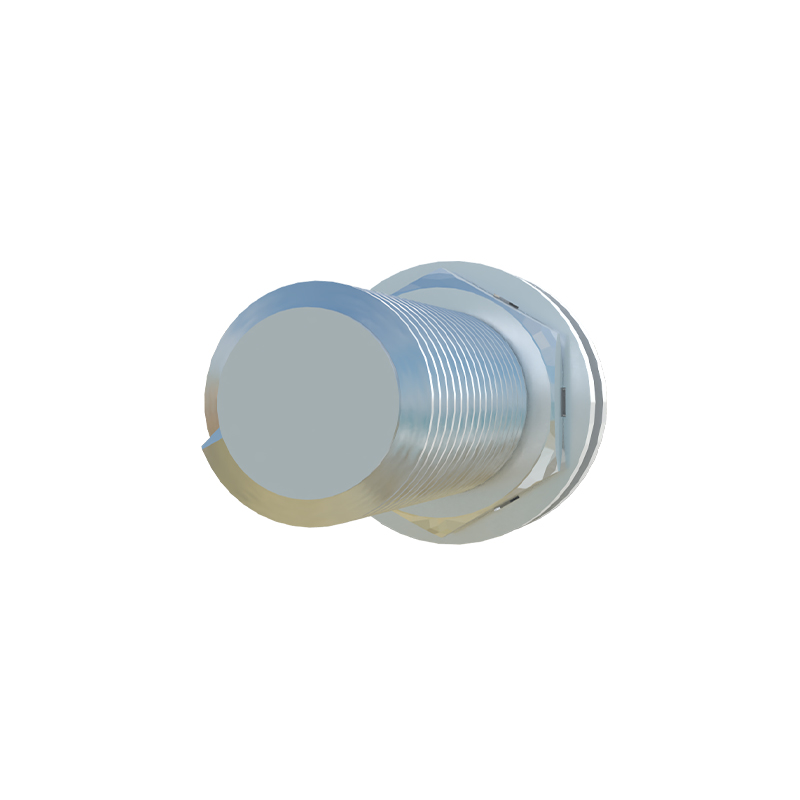
The benefits of incorporating spring pads into sensor installations are substantial. The most significant is the dramatic improvement in interference immunity. In facilities with numerous motors, drives, and welding equipment, electrical noise is pervasive. Spring pads mitigate this by providing a low-impedance path to ground for stray currents. Furthermore, they compensate for surface irregularities on the mounting bracket or sensor housing. Even a slightly uneven surface can create a microscopic air gap, disrupting the grounding path. The spring force conforms to these imperfections, ensuring full contact.
Durability and longevity are also enhanced. By absorbing vibrations and preventing metal-to-metal fretting, the spring pad protects both the sensor's housing and the mounting thread from wear and corrosion. This is especially valuable in high-cycle applications or harsh environments with temperature fluctuations, where metal parts expand and contract. The constant pressure prevents the mounting nut from loosening over time, a common cause of sensor failure.
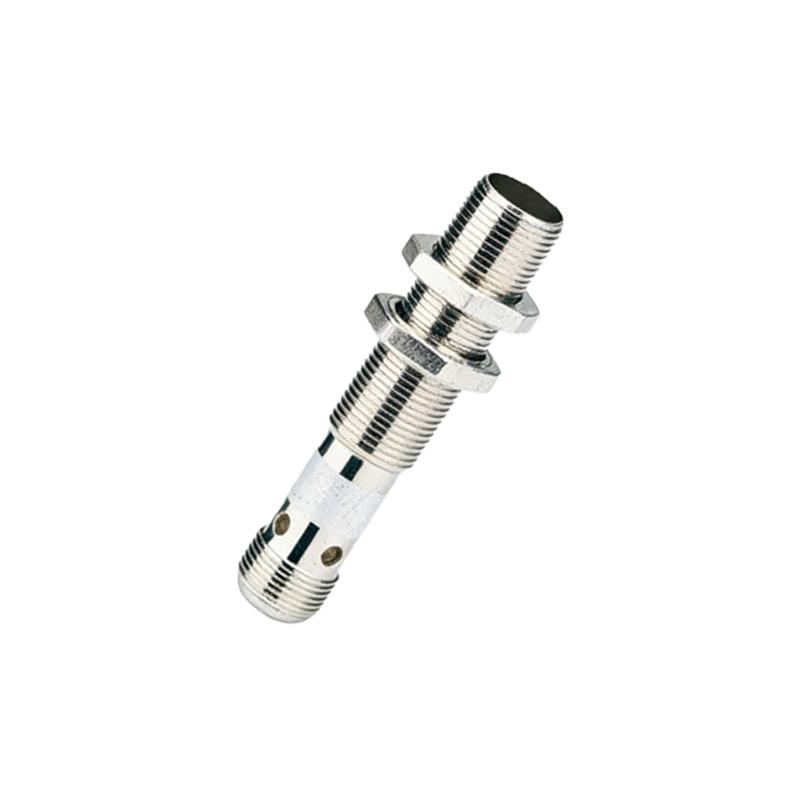
Selecting the correct spring pad involves considering several factors. Material choice is primary; beryllium copper offers excellent conductivity and spring properties, while stainless steel provides superior corrosion resistance. The diameter and thickness must match the sensor's form factor to ensure proper fit and sufficient spring travel. The required spring force, measured in Newtons, should be adequate to maintain contact without over-stressing the sensor housing. For standard cylindrical sensors, common sizes include M8, M12, M18, and M30 diameters.
Installation is a simple but critical process. The sensor is inserted through its mounting hole from the sensing side. The spring pad is then placed onto the sensor's threaded body, with the spring side facing the sensor's mounting flange. Finally, the supplied hex nut is tightened. It is essential to follow the manufacturer's torque specification—over-tightening can crush the spring, rendering it useless, while under-tightening fails to establish proper contact. A properly installed pad will allow for slight compression while remaining firmly in place.
In practice, the application of these pads spans across industries. In automotive assembly lines, they ensure robots consistently detect parts despite constant vibration. In packaging machinery, they maintain reliable detection of metallic foils or containers at high speeds. In metal stamping and CNC machining centers, they protect sensors from the significant EMI generated by large motors and solenoids. Their use is a hallmark of robust system design, often specified in technical guidelines from leading sensor manufacturers to guarantee published performance metrics.
While sometimes overlooked in initial machine design, the strategic implementation of proximity sensor spring pads is a cost-effective measure for boosting overall system uptime and reducing maintenance. They solve grounding and interference issues at the source, preventing erratic machine behavior and costly downtime. For engineers and maintenance technicians, understanding and utilizing these small components is a simple step toward achieving greater reliability, precision, and longevity in any automated system reliant on proximity sensing technology.