Outdoor laser sensors represent a critical advancement in industrial automation, environmental monitoring, and safety systems. These robust devices utilize laser technology to perform precise, non-contact measurements of distance, position, presence, and even the composition of objects in challenging external environments. Unlike their indoor counterparts, outdoor laser sensors are engineered to withstand harsh conditions, including extreme temperatures, rain, snow, dust, vibration, and direct sunlight. This resilience makes them indispensable across a wide range of sectors, from manufacturing and logistics to agriculture and urban infrastructure.
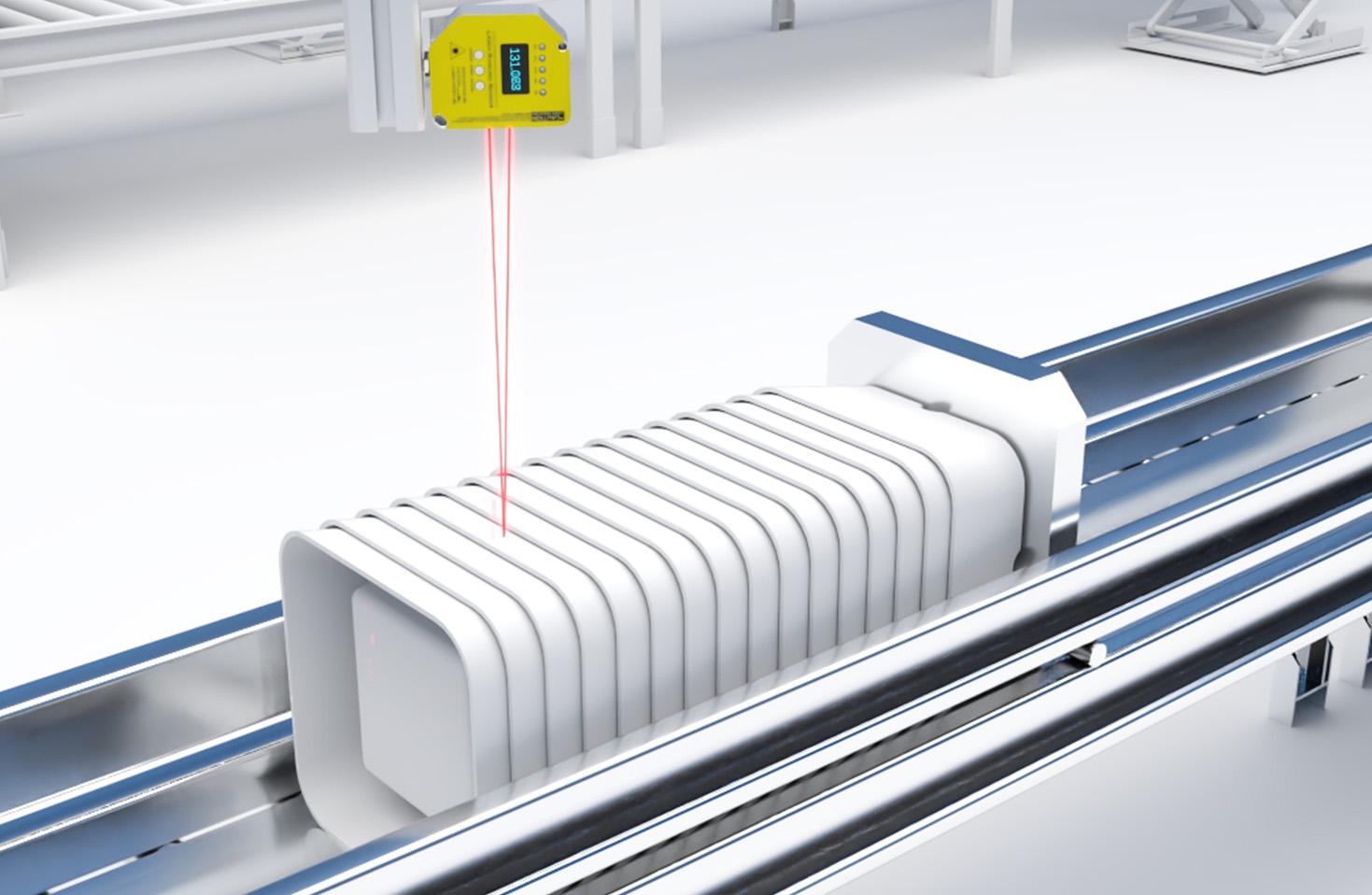
The core operating principle of most outdoor laser sensors is based on time-of-flight (ToF) or triangulation methods. In ToF sensors, a laser diode emits a pulsed or modulated laser beam towards a target. A high-speed receiver then detects the reflected light. By calculating the time difference between emission and reception, the sensor accurately determines the distance to the object. This technology is ideal for long-range applications, such as monitoring stockpile volumes in mining or measuring vehicle distance in traffic management systems. Triangulation sensors, on the other hand, use a different geometric approach for high-precision, short to medium-range measurements, commonly found in automated guided vehicles (AGVs) or robotic positioning tasks outdoors.
A key differentiator for outdoor models is their ingress protection (IP) rating, typically IP67 or higher. This signifies complete protection against dust ingress and the ability to withstand temporary immersion in water. The housings are often made from corrosion-resistant materials like stainless steel or ruggedized polymers. Furthermore, advanced optical components and signal processing algorithms are integrated to compensate for environmental interference. For instance, special filters can minimize the impact of ambient sunlight, which could otherwise saturate the sensor's receiver. Temperature compensation circuits ensure measurement stability across a broad operating range, from -40°C to +70°C or beyond.

The applications for outdoor laser sensors are vast and growing. In industrial settings, they are used for precise level measurement of liquids and bulk solids in outdoor silos and tanks, enabling efficient inventory management. In logistics and port automation, they facilitate the automated stacking and retrieval of containers by providing real-time positioning data to cranes. The transportation sector relies on them for toll collection systems, vehicle classification, and height detection at bridges or tunnels to prevent accidents.
Environmental monitoring is another major domain. Laser-based LiDAR sensors, mounted on drones or stationary posts, create detailed 3D maps of terrains, forests, and coastlines to track erosion, deforestation, or urban growth. In agriculture, sensors monitor crop health and growth by measuring plant height and canopy density, supporting precision farming techniques. For public safety, laser sensors form the backbone of perimeter security systems, detecting intrusions over long distances with high accuracy, regardless of lighting conditions.
When selecting an outdoor laser sensor, engineers must consider several critical parameters beyond the IP rating. The measuring range, resolution, and repeatability must match the application's precision requirements. The response time or sampling rate is crucial for dynamic processes. The type of output interface—analog (4-20 mA, 0-10 V), digital (IO-Link, RS-232), or industrial Ethernet (PROFINET, EtherNet/IP)—must be compatible with the existing control system. Additionally, the laser class (usually Class 1 or Class 2, which are eye-safe under normal operating conditions) is a vital safety consideration for installations in accessible areas.
The future of outdoor laser sensor technology is geared towards greater intelligence and connectivity. The integration of edge computing capabilities allows sensors to perform initial data analysis on-site, reducing latency and bandwidth needs for cloud systems. The advent of Industrial Internet of Things (IIoT) platforms enables predictive maintenance, where sensors can diagnose their own health and alert operators to potential failures before they occur. Furthermore, advancements in multispectral and hyperspectral laser sensing promise to deliver not just spatial data but also material composition analysis from a distance, opening new frontiers in waste sorting, pollution detection, and resource management.
In conclusion, outdoor laser sensors are more than just hardened measurement tools; they are the enabling eyes of modern automated and monitored outdoor systems. Their ability to deliver reliable, precise data under duress transforms operational efficiency, enhances safety, and provides critical insights for sustainable management of resources and infrastructure. As technology evolves, these sensors will become even more integrated, intelligent, and essential to our interconnected world.