In the complex landscape of industrial automation, the reliability of a single component can dictate the efficiency and safety of an entire system. Among these critical components, proximity sensors stand as the silent sentinels, detecting the presence or absence of objects without physical contact. However, as industrial environments grow more sophisticated—saturated with variable frequency drives, high-power motors, and extensive wireless communication networks—electromagnetic interference (EMI) and radio frequency interference (RFI) have become formidable adversaries. This is where the specialized supply of anti-interference proximity sensors becomes not just an option, but a fundamental necessity for robust operation.
The core function of an anti-interference proximity sensor remains detection, but its defining characteristic is its engineered resilience. Standard inductive, capacitive, or magnetic sensors can suffer from false triggering, signal degradation, or complete failure when subjected to electromagnetic "noise." An anti-interference variant is designed with a multi-layered defense strategy. This begins at the circuit level with advanced filtering components that suppress high-frequency noise before it can disrupt the sensing signal. Shielding, both in the sensor housing and the integrated cable, acts as a Faraday cage, preventing external EMI/RFI from penetrating the sensitive electronics. Furthermore, sophisticated signal processing algorithms within the sensor's microcontroller can distinguish between the true target signature and ambient electrical noise, ensuring that only valid detection events are communicated.
The supply chain for these specialized sensors caters to a diverse array of demanding applications. In automotive manufacturing, where welding robots generate intense EMI, anti-interference sensors reliably detect parts on high-speed assembly lines, preventing costly collisions and downtime. Within the renewable energy sector, particularly in wind turbine control systems, they operate reliably in nacelles filled with power converters, providing accurate feedback for blade pitch and brake monitoring. Food and pharmaceutical processing lines, which utilize extensive frequency-controlled motors for conveyors and mixers, depend on these sensors for precise packaging and filling operations without erroneous counts. Even in modern warehouse automation, amidst a cacophony of wireless signals from AGVs and RFID systems, these sensors ensure accurate pallet positioning and robotic guidance.
For procurement specialists and design engineers, sourcing the right anti-interference proximity sensor requires careful specification beyond standard detection range and output type. Key parameters to evaluate include the sensor's immunity level, often certified to international standards like IEC 60947-5-2 or specific EMI/RFI immunity test levels (e.g., 10V/m from 80 MHz to 1 GHz). The construction material, typically stainless steel with sealed, laser-welded housings, provides both mechanical robustness and enhanced shielding. Output options are crucial; while standard digital (PNP/NPN) outputs are common, analog current (4-20mA) outputs are often favored in noisy environments for their inherent noise resistance compared to voltage signals. Additionally, the availability of models with built-in surge protection and reverse polarity protection adds another layer of reliability for the electrical installation.
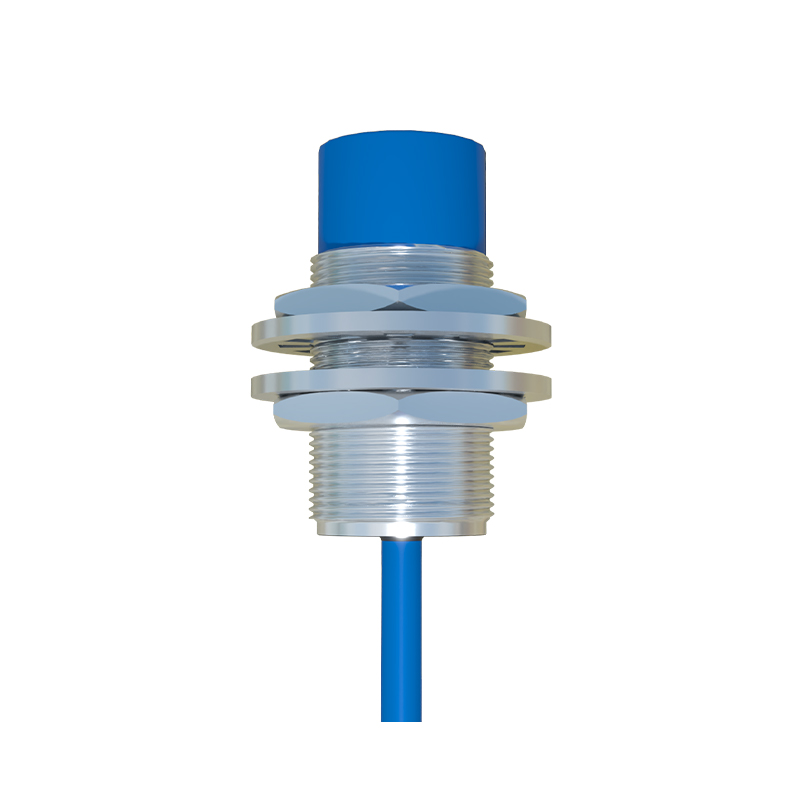
The future of this supply niche is being shaped by several converging trends. The rise of Industry 4.0 and the Industrial Internet of Things (IIoT) demands sensors that are not only immune to interference but can also communicate diagnostic data. Next-generation anti-interference sensors are incorporating IO-Link communication, providing detailed status information about operating health, temperature, and even signal strength, enabling predictive maintenance. Furthermore, miniaturization continues without compromising performance, allowing these robust sensors to be installed in increasingly compact machinery. Suppliers are also expanding portfolios to include specialized variants for extreme conditions, such as models resistant to welding spatter, high-pressure washdowns, or continuous exposure to cutting fluids.
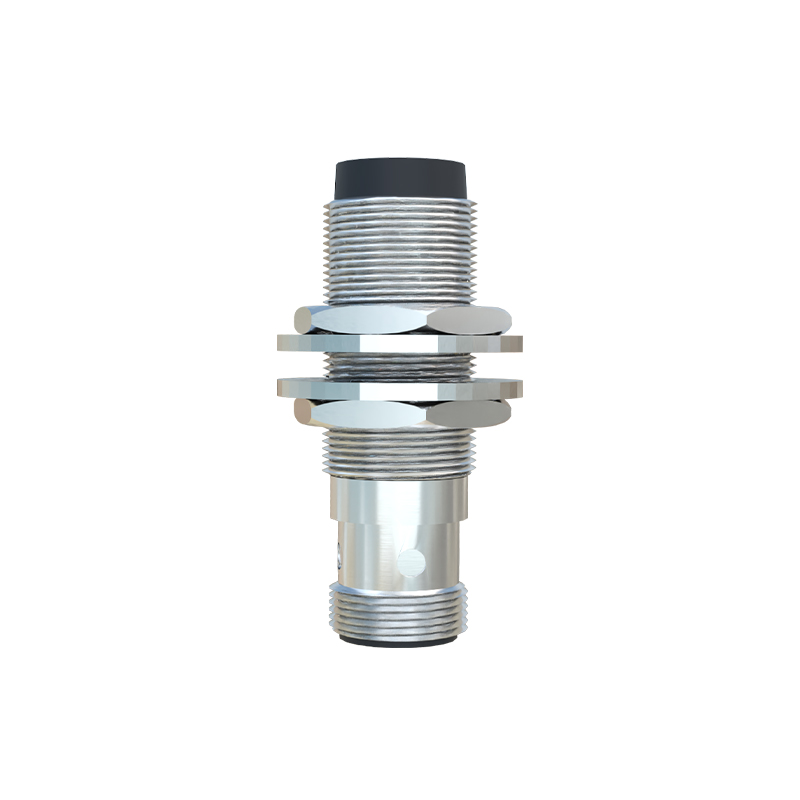
In conclusion, the supply of anti-interference proximity sensors represents a critical segment of industrial component sourcing. It addresses the fundamental challenge of maintaining signal integrity in the electrically noisy realities of modern manufacturing and processing. By understanding the technology principles, application-specific demands, and key selection criteria, engineers can effectively leverage this supply to build automation systems that are not only intelligent but also exceptionally resilient and dependable, ensuring uninterrupted productivity in the face of pervasive electrical interference.