In the rapidly evolving landscape of industrial automation and quality control, the demand for accurate, reliable, and non-contact measurement solutions has never been greater. Digital laser distance sensors have emerged as a cornerstone technology, offering unparalleled precision in a wide array of applications. Unlike traditional mechanical or ultrasonic methods, these sensors utilize a focused laser beam to determine the distance to a target object with exceptional speed and accuracy. The core principle involves emitting a laser pulse or modulated continuous wave towards the target. The sensor then precisely measures the time-of-flight (ToF) of the reflected light or the phase shift of the modulated signal. Advanced onboard digital signal processing (DSP) algorithms convert this raw data into a highly accurate distance reading, which is output via standard industrial communication protocols such as IO-Link, analog voltage/current, or Ethernet-based systems.
The advantages of modern digital laser sensors are manifold. Their high measurement resolution, often down to the micrometer range, makes them indispensable for tasks like thickness gauging, wafer alignment in semiconductor fabrication, and robotic guidance. The non-contact nature eliminates wear and tear, ensures no damage to delicate surfaces, and allows for measurements on hot, moving, or otherwise inaccessible targets. Furthermore, digital integration enables sophisticated features like programmable measurement windows, multi-point averaging, and real-time data logging. This facilitates seamless integration into Industry 4.0 and IoT frameworks, where sensor data can be leveraged for predictive maintenance and process optimization.
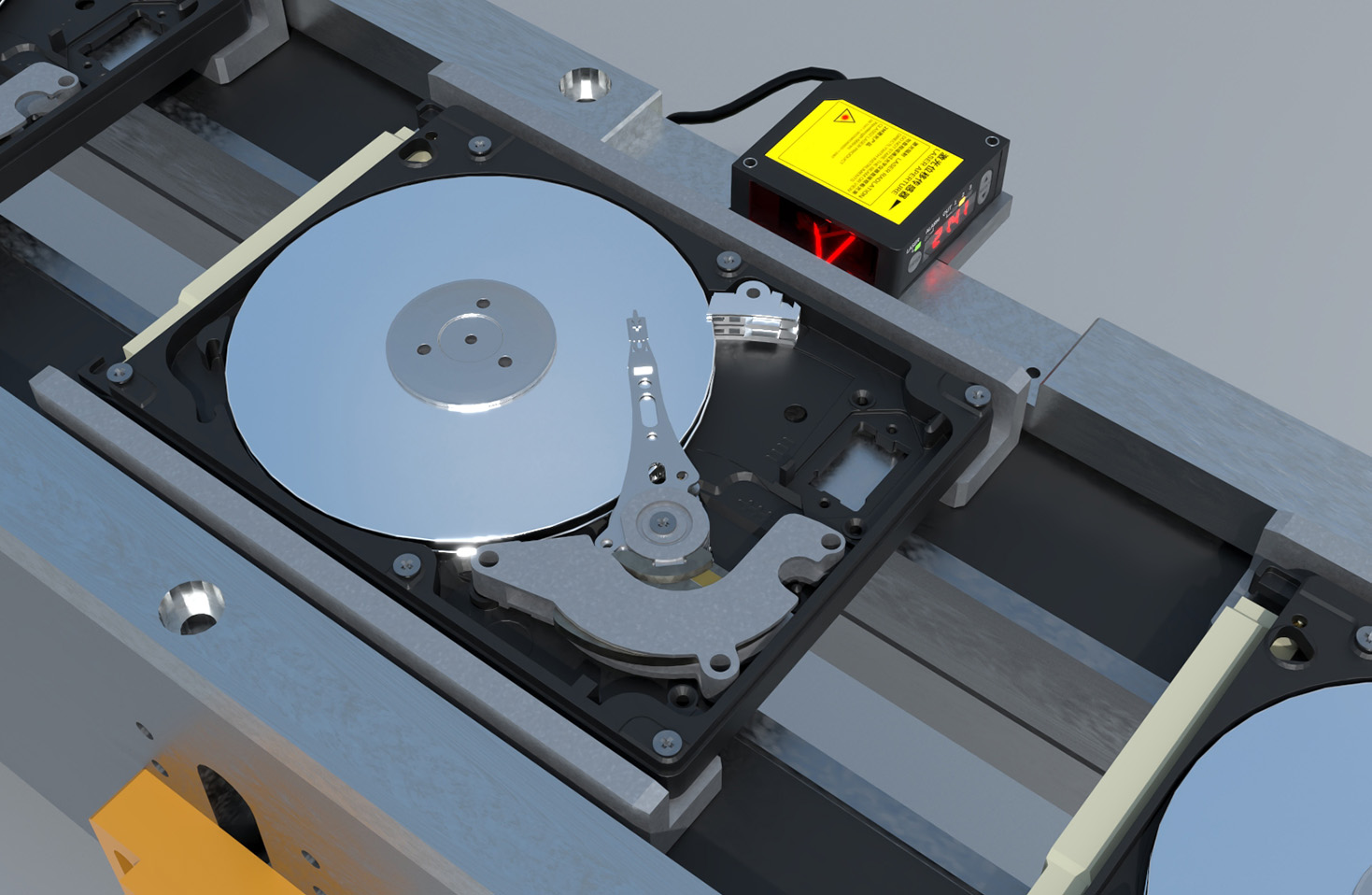
When selecting a digital laser distance sensor, several critical parameters must be considered. Measurement range, typically from a few centimeters to several hundred meters, must align with the application. The required accuracy and repeatability are paramount; environmental factors like ambient light, temperature fluctuations, and target surface characteristics (color, reflectivity, texture) can significantly impact performance. Therefore, many high-end models incorporate automatic background suppression and advanced filtering to compensate for these variables. Rugged housing with high IP ratings (e.g., IP67) is essential for operation in harsh industrial environments exposed to dust, moisture, and vibration.
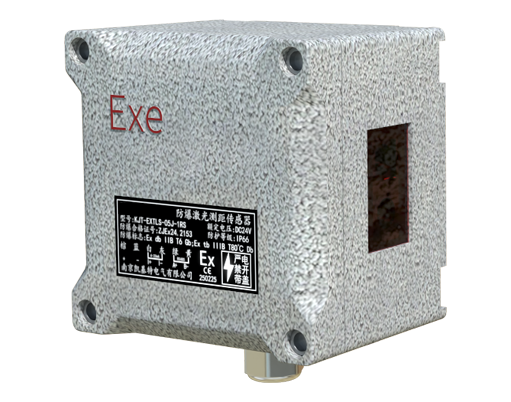
Applications span virtually every sector. In logistics, they ensure precise pallet positioning and warehouse inventory management. In automotive assembly, they verify component gaps and alignments. In construction and civil engineering, they enable long-range surveying and deformation monitoring. The proliferation of compact, cost-effective models has also unlocked new uses in consumer electronics and DIY projects.
Looking ahead, the future of digital laser distance sensing is tied to advancements in photonics and embedded computing. We anticipate sensors with even higher speeds, smaller form factors, and enhanced intelligence, such as integrated edge computing for immediate decision-making. As industries continue to push the boundaries of precision and efficiency, the digital laser distance sensor will remain a vital tool in the engineer's arsenal, transforming how we measure and interact with the physical world.