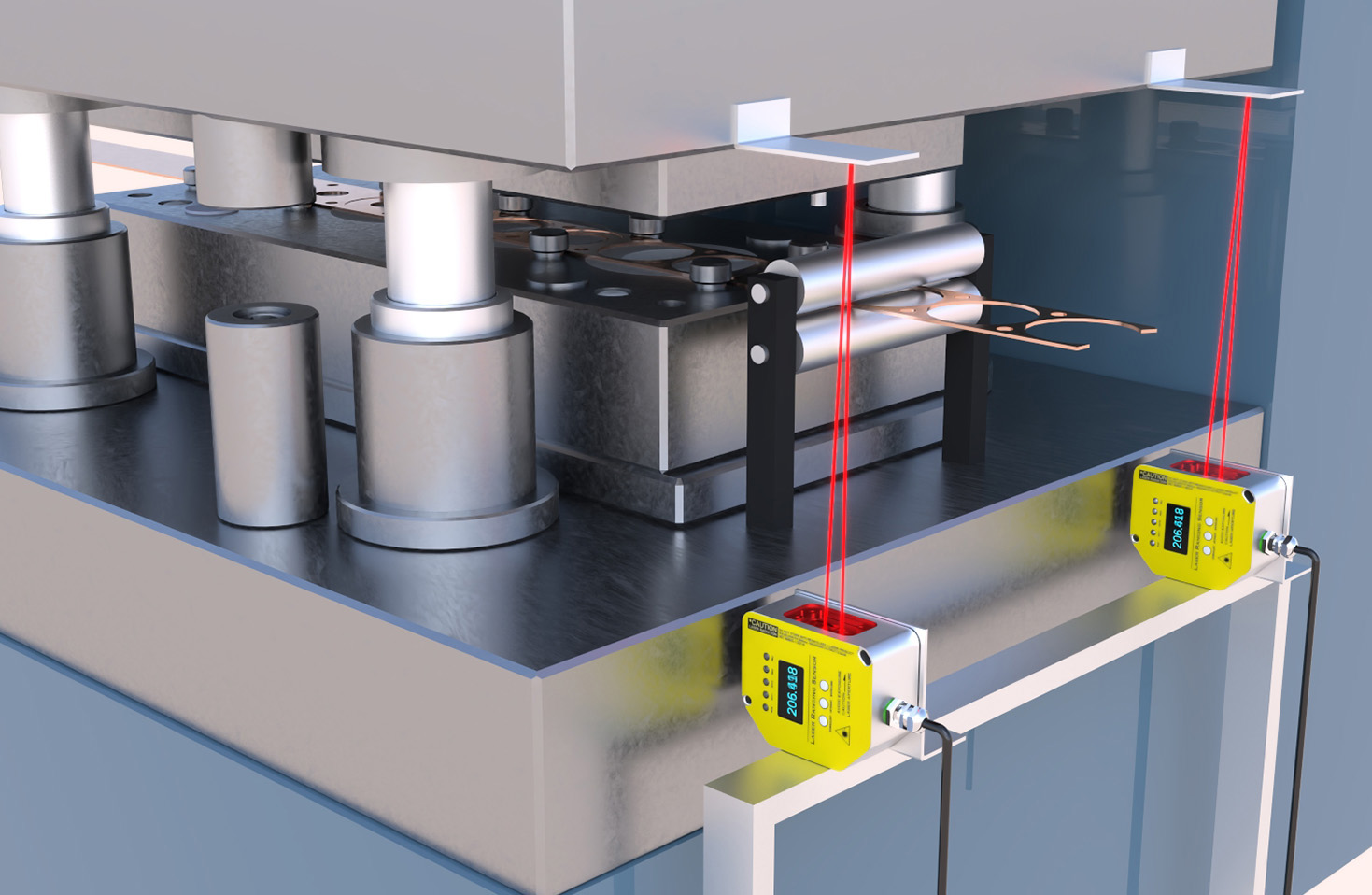
In the rapidly evolving landscape of smart home technology, laser sensors have transitioned from industrial applications to becoming integral components of modern residential automation and security systems. For homeowners and DIY enthusiasts considering an upgrade, understanding the price factors of home laser sensors is crucial for making an informed investment. The cost spectrum is broad, typically ranging from $50 for basic models to over $500 for advanced, integrated systems. This variation is not arbitrary but is dictated by several key technological and functional specifications.
At the core of a laser sensor's cost is its underlying technology. Time-of-Flight (ToF) sensors, which measure the time for a laser pulse to reflect back, generally command a higher price than simpler triangulation-based sensors due to their superior accuracy over longer distances. For instance, a basic ToF module for room presence detection might start around $80-$120, while a high-precision version for applications like gesture control or advanced robotics integration can exceed $200. The laser's class also significantly impacts price. Class 1 lasers, which are inherently safe under all conditions of normal use, are more expensive to manufacture and certify than Class 2 or 3R lasers, adding a premium to sensors designed for family environments where safety is paramount.
Resolution and range are two of the most direct cost drivers. A sensor with a range of 0.1 to 10 meters and millimeter-level resolution, suitable for precise applications like smart appliance activation or security perimeter monitoring, will be priced higher than a simple 0-2 meter sensor for basic motion detection. Integration capabilities further stratify the market. Standalone sensors with basic digital (I2C, SPI) or analog outputs are the most affordable, often found in the $50-$150 bracket. Sensors that come with built-in Wi-Fi, Bluetooth, or Zigbee modules, and those pre-integrated with platforms like Apple HomeKit, Amazon Alexa, or Google Home, incorporate additional hardware and licensing costs, pushing prices into the $150-$350 range.
The application context dictates the required feature set and thus the budget. For basic security—detecting movement in a hallway or driveway—a reliable, weather-resistant laser curtain sensor can be found for $70-$150. In contrast, implementing a whole-home presence detection system for lighting and HVAC control requires multiple sensors with wide-angle coverage and high reliability, potentially costing $300-$600 for a multi-sensor kit. Advanced hobbyist projects, such as building a laser-based floor mapping robot or a touchless interactive display, demand sensors with high data refresh rates and software development kits (SDKs), which are premium features.
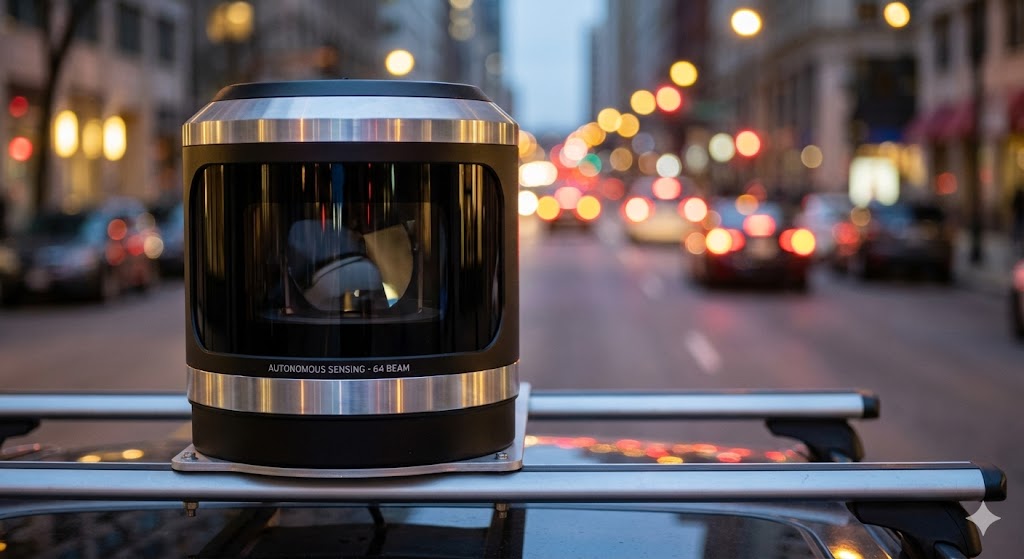
Beyond the initial purchase price, total cost of ownership includes installation, calibration, and potential integration with a central smart home hub. While some plug-and-play models are user-friendly, professional installation for complex systems can add $100-$300 to the project. Furthermore, consider the ecosystem. A sensor from a major brand like Philips Hue or Bosch might have a higher upfront cost but offers guaranteed compatibility and long-term software support, whereas a generic brand sensor, while cheaper initially, may pose integration challenges and lack updates.
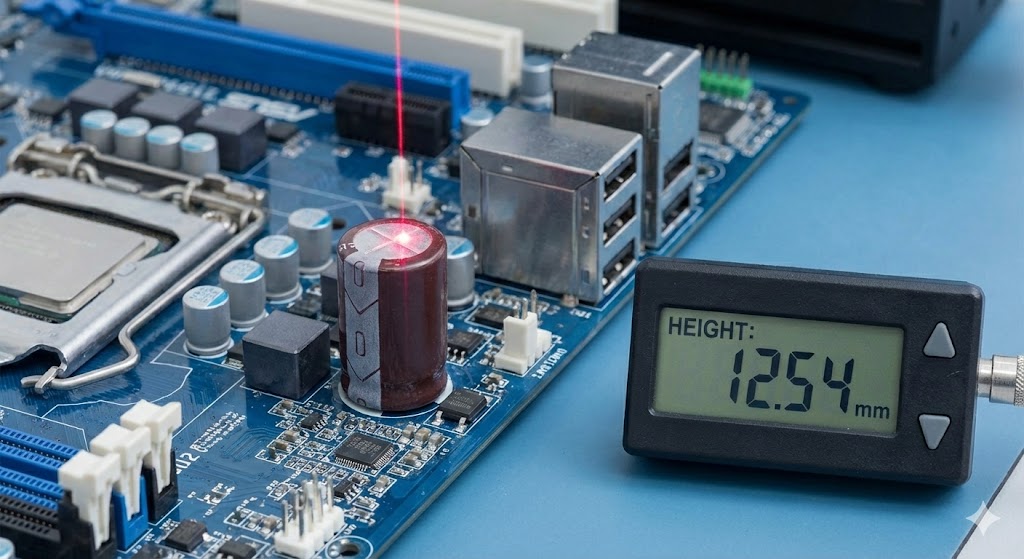
When evaluating options, balance your immediate needs with future scalability. Investing in a slightly more expensive, modular sensor system from a reputable manufacturer often proves more economical than replacing multiple limited devices later. The market for home laser sensors is dynamic, with prices gradually decreasing as technology matures and production scales. However, for the foreseeable future, the adage "you get what you pay for" holds true, where precision, reliability, and seamless integration remain valuable commodities worth the investment for a truly intelligent and responsive home environment.