In the realm of electrical engineering, laser sensors have emerged as pivotal components for precision measurement, detection, and automation. Among the diverse spectrum of laser technologies, those operating within the visible light range—typically between 380 to 750 nanometers—offer unique advantages that cater to specific industrial applications. This article delves into the principles, functionalities, and practical uses of laser sensors utilizing visible light, providing insights for professionals seeking to optimize their systems.
Laser sensors that emit visible light leverage coherent, monochromatic beams to achieve high accuracy in various environments. Unlike infrared or ultraviolet lasers, visible light lasers allow for direct visual alignment and troubleshooting, which is crucial in settings where manual calibration is required. For instance, in alignment tasks for machinery or optical systems, engineers can easily see the laser dot or line, facilitating quick adjustments without additional infrared viewers or complex instrumentation. This visibility enhances safety and efficiency, reducing setup time and minimizing errors in critical operations such as conveyor belt tracking, robotic guidance, or structural monitoring.
The core mechanism of these sensors involves emitting a focused beam of visible light toward a target. When the beam interacts with the surface, it may be reflected, scattered, or absorbed, depending on the material properties. Sensors then detect the reflected light using photodiodes or CCD arrays, converting optical signals into electrical data for analysis. Key parameters include response time, resolution, and signal-to-noise ratio, which are optimized for applications like distance measurement, object detection, and quality control. For example, in manufacturing lines, visible laser sensors can identify minute defects on products by analyzing light patterns, ensuring high standards in industries from electronics to automotive.

One significant advantage of visible light laser sensors is their compatibility with human vision, which simplifies integration into user-friendly interfaces. Engineers can incorporate these sensors into systems where operators need real-time visual feedback, such as in medical devices or educational tools. Additionally, the wavelength of visible light is less prone to interference from ambient infrared sources, common in industrial environments, leading to more stable performance. However, challenges exist, such as potential interference from bright ambient light or dust particles, which can be mitigated through filtering techniques and protective housings.
In practical applications, visible light laser sensors are widely used in sectors like aerospace for component inspection, in construction for leveling and alignment, and in consumer electronics for gesture recognition. Their ability to provide precise, non-contact measurements makes them ideal for delicate tasks where physical probes could cause damage. As technology advances, innovations in diode lasers and fiber optics are enhancing the power efficiency and miniaturization of these sensors, paving the way for broader adoption in IoT and smart systems.
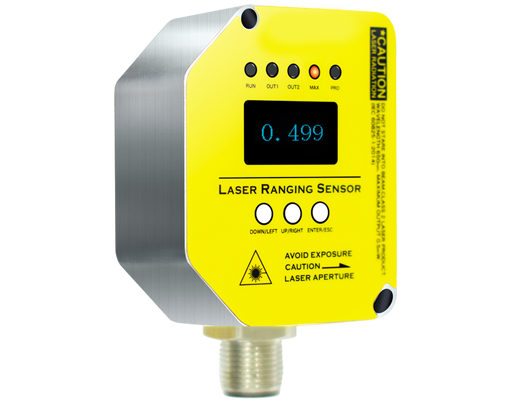
For electrical engineers, selecting the right laser sensor involves considering factors like wavelength, power output, environmental conditions, and regulatory compliance. Standards such as IEC 60825-1 ensure safety regarding laser radiation, mandating proper labeling and usage guidelines. By understanding the nuances of visible light laser sensors, professionals can design more robust and adaptable solutions, driving progress in automation and measurement technologies. Ultimately, the integration of these sensors into modern electrical systems underscores a trend toward greater precision and interactivity, shaping the future of industrial innovation.