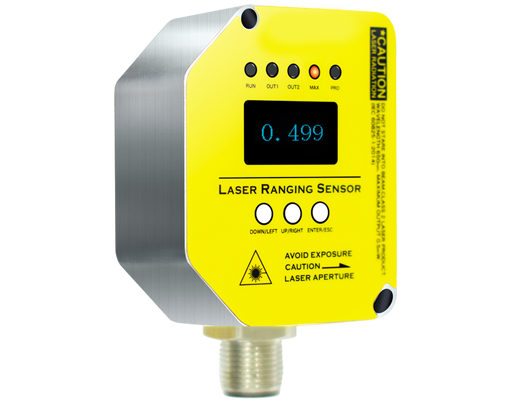
In modern industrial and environmental monitoring, the accurate detection and measurement of airborne particulate matter is critical. Among the various technologies available, laser dust particle sensors have emerged as a leading solution due to their high precision, reliability, and real-time capabilities. This article delves into the operational principles, key applications, and essential factors for selecting the right sensor for specific needs.
At the core of a laser dust particle sensor is the principle of light scattering, specifically Mie scattering. A controlled laser diode emits a focused beam of light into a detection chamber through which air is drawn. When airborne particles pass through this laser beam, they scatter the light in all directions. A strategically positioned photodetector, typically set at a specific angle (like 90 degrees), collects this scattered light. The intensity of the scattered light is proportional to the size and concentration of the particles. Sophisticated algorithms then analyze this photodetector signal, converting it into quantitative data on particle concentration, often categorized by size bins such as PM1.0, PM2.5, and PM10. This method allows for the detection of particles as small as 0.1 microns with remarkable accuracy.
The advantages of laser-based sensors over traditional methods, such as gravimetric analysis or older light-obscuration sensors, are substantial. They offer real-time, continuous monitoring without the need for filter collection and laboratory weighing. Their response time is virtually instantaneous, enabling dynamic monitoring of air quality changes. Furthermore, their compact size, low power consumption, and digital output make them ideal for integration into various systems. Modern units often include built-in fans for active air sampling and temperature/humidity sensors for data compensation, enhancing measurement accuracy under varying environmental conditions.
The applications for laser dust particle sensors are vast and growing. In industrial settings, they are indispensable for monitoring cleanroom environments in semiconductor fabrication, pharmaceutical production, and aerospace manufacturing, ensuring compliance with stringent ISO cleanliness standards. They are crucial for occupational health and safety, monitoring worker exposure to hazardous dust in mining, construction, and woodworking. In the commercial and residential sphere, these sensors are the heart of smart air purifiers, HVAC systems, and indoor air quality monitors. Environmental monitoring stations rely on them for tracking urban pollution (PM2.5/PM10), and they are increasingly found in consumer electronics like wearables and smartphones, providing personalized air quality data.
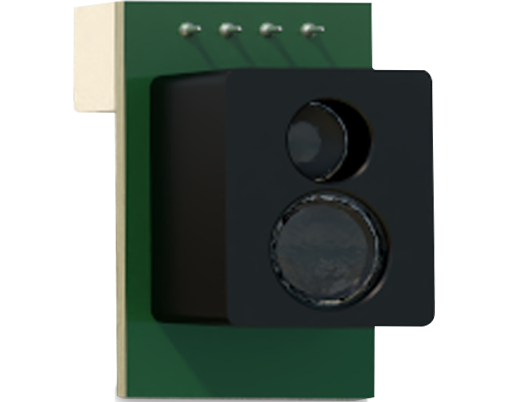
Selecting the appropriate laser dust particle sensor requires careful consideration of several technical parameters. First, define the required particle size range and detection resolution. For general PM2.5 monitoring, a sensor detecting particles down to 0.3 microns may suffice, while pharmaceutical cleanrooms might need detection down to 0.1 microns. Measurement range is another critical factor; ensure the sensor's maximum concentration limit (e.g., 500 µg/m³ vs. 1000 µg/m³) meets the expected environmental conditions. Accuracy and consistency are paramount, often specified with a margin of error like ±10% or ±15% under reference conditions. Consider the data output interface (UART, I2C, PWM) for seamless integration with your control system. Operational factors such as power supply requirements, sampling flow rate, and long-term stability (resistance to sensor contamination) are also vital. Finally, assess the manufacturer's calibration process, quality of algorithm, and technical support.

Despite their robustness, laser dust particle sensors have limitations. High humidity or condensation can cause false readings by scattering light like solid particles, though advanced models include compensation algorithms. Very high particle concentrations can saturate the detector, and the sensor may not distinguish between particle types (e.g., dust, smoke, pollen) without additional gas sensors or pattern analysis. Regular maintenance, such as cleaning the laser window and air inlet, is recommended to sustain accuracy over extended periods.
In conclusion, laser dust particle sensors represent a sophisticated and versatile technology for particulate matter monitoring. Their ability to provide precise, real-time data makes them essential tools for ensuring product quality, safeguarding human health, and protecting the environment. By understanding their working principles and carefully evaluating specifications against application needs, engineers and system integrators can effectively leverage this technology to build smarter, safer, and cleaner systems for the future.