In the realm of industrial automation and control systems, the 24V proximity sensor stands as a fundamental component, renowned for its reliability, noise immunity, and compatibility with standard PLC and control circuitry. Sourcing these critical devices requires a strategic approach, balancing technical specifications, supply chain reliability, and total cost of ownership. This guide provides a detailed roadmap for engineers and procurement specialists seeking high-quality 24V proximity sensors.
The primary channels for procuring 24V proximity sensors can be categorized into several distinct avenues. First and foremost are direct manufacturers and their authorized distributors. Leading global brands such as Siemens, Omron, Schneider Electric, Pepperl+Fuchs, and Balluff maintain extensive networks of official distributors. Purchasing directly from these sources or their authorized partners guarantees genuine products, full technical support, access to detailed datasheets, and compliance with stated certifications (e.g., IP ratings, NAMUR, ATEX for hazardous areas). This channel is typically recommended for large-scale OEM projects or applications with stringent performance and safety requirements.
A second, highly efficient channel is through specialized industrial automation distributors. Companies like Allied Electronics, RS Components, Digi-Key, and Grainger (in North America) or Farnell and Bürkert (in Europe) stock a vast array of sensors from multiple manufacturers. These distributors offer the advantage of comparative shopping, often with robust e-commerce platforms featuring parametric search filters. Engineers can quickly compare sensing ranges (e.g., 2mm, 5mm, 10mm), housing materials (brass, stainless steel), output types (PNP, NAMUR, analog), and connection methods (cable, M8/M12 connector). This is ideal for prototyping, maintenance, repair, and operations (MRO) purchases, or for smaller batch orders.
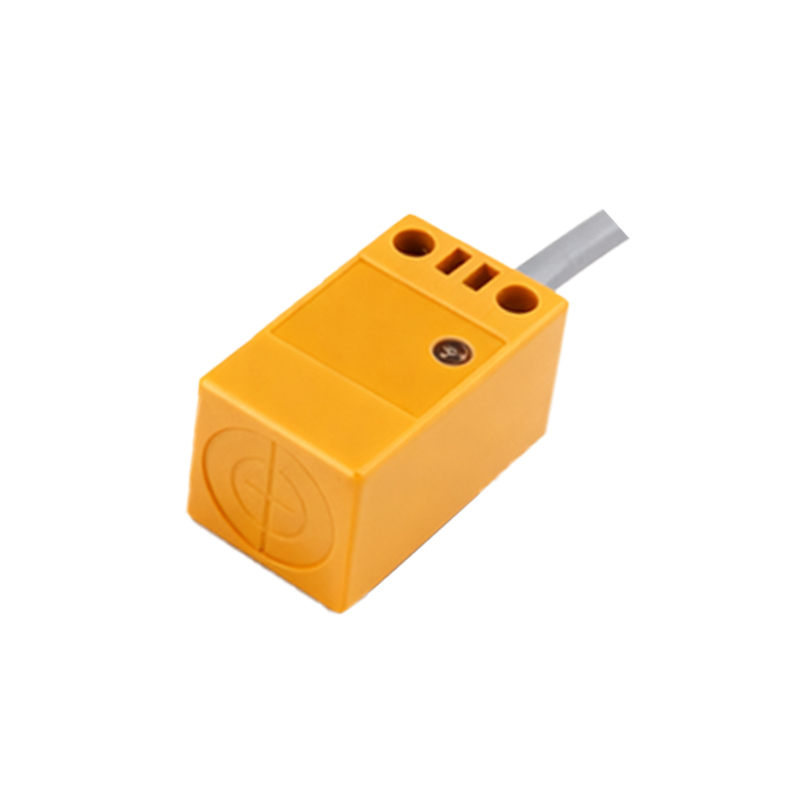
For engineers focused on cost-optimization, especially in high-volume production scenarios, engaging with electronic component wholesalers or online marketplaces like Mouser, Newark, or even verified suppliers on platforms such as Amazon Business can yield competitive pricing. However, extreme caution is advised to avoid counterfeit components. Always verify supplier credentials, insist on traceable lot codes, and review certifications meticulously. The risk of receiving substandard or falsely labeled sensors, which could lead to system failure or safety issues, is a significant concern in this channel.
Emerging as a powerful force is the direct procurement from manufacturers based in Asia, particularly through B2B platforms like Alibaba, Made-in-China, or Global Sources. Many reputable factories in China, Taiwan, and South Korea produce high-quality 24V inductive, capacitive, and magnetic proximity sensors that meet international standards (IEC 60947-5-2). This route often provides the most competitive direct pricing but requires thorough due diligence. Key steps include requesting samples for testing, verifying factory audit reports (e.g., ISO 9001), and clearly specifying technical requirements to avoid misunderstandings regarding performance metrics like repeat accuracy, hysteresis, and temperature drift.
Beyond the "where," the "what" is equally critical. When sourcing, engineers must precisely define their application parameters. Is the target metallic (requiring an inductive sensor) or non-metallic (requiring a capacitive sensor)? What is the required sensing distance? Will the sensor be exposed to washdowns, oils, or extreme temperatures, necessitating a high IP69K rating or specific housing material? Does the application require a shielded (flush-mountable) or unshielded sensor? Answering these questions narrows the search to the exact sensor type before the sourcing journey begins.
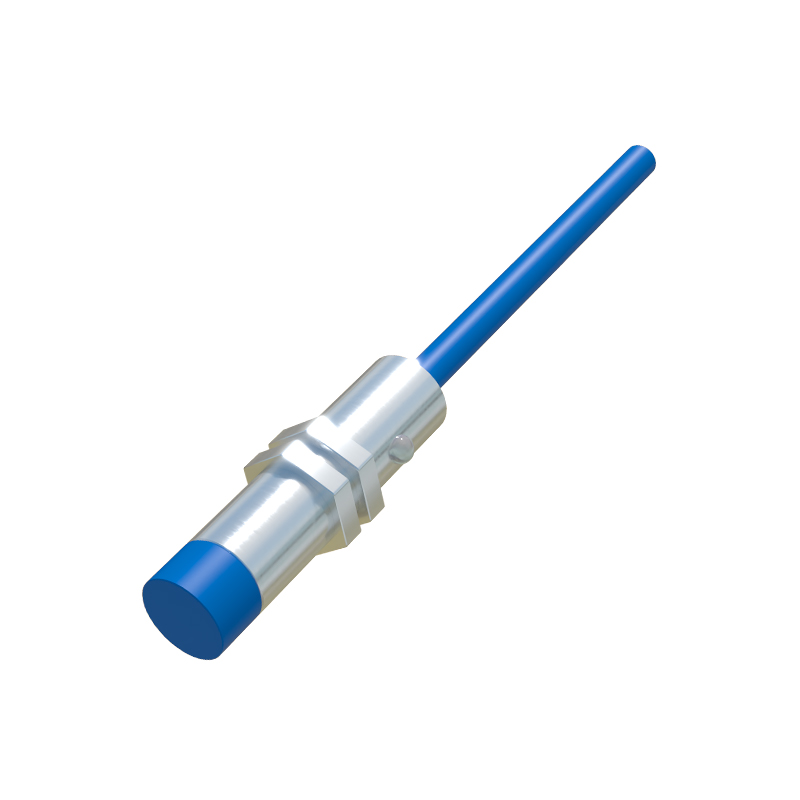
Finally, consider value-added services. Some distributors and manufacturers offer sensor configuration tools, CAD model downloads, lifecycle management services, and local engineering support. For complex installations or critical processes, these services can drastically reduce design time and mitigate operational risk. Establishing a relationship with a knowledgeable supplier representative can be as valuable as the component itself.
In conclusion, sourcing 24V proximity sensors is a multi-faceted process. The optimal channel depends on project scale, budget, technical complexity, and risk tolerance. A blended strategy often works best: using authorized distributors for critical applications and pilot runs, while exploring direct manufacturer options for validated, high-volume production lines. Always prioritize technical specifications and verified quality over price alone to ensure the long-term reliability and safety of your automated systems.