In the rapidly evolving landscape of industrial automation, ring proximity sensors have become indispensable components for non-contact detection, precise positioning, and quality control in applications ranging from assembly lines to packaging machinery. As demand surges, many companies opt to partner with specialized Original Equipment Manufacturer (OEM) factories to develop and produce these critical sensors. This article explores the key players and considerations when selecting a ring proximity sensor OEM manufacturer.
The primary advantage of collaborating with an OEM is access to specialized engineering expertise and scalable production capabilities. Leading manufacturers in this field typically possess extensive experience in inductive, capacitive, and sometimes photoelectric sensing technologies tailored into ring-shaped form factors. These sensors are designed to detect objects passing through their center aperture without physical contact, making them ideal for counting, sorting, or verifying the presence of components like bolts, nuts, or small assemblies.
Several global and regional OEMs dominate the market. European manufacturers, particularly from Germany and Italy, are renowned for their high-precision engineering and robust designs suitable for harsh industrial environments. These factories often emphasize customizability, offering sensors with varying sensing ranges, aperture sizes, output types (e.g., NPN, PNP, analog, or IO-Link), and housing materials like stainless steel or PBT plastic. Their expertise frequently extends to developing sensors that comply with international standards such as IEC 60947-5-2, ensuring safety and reliability.
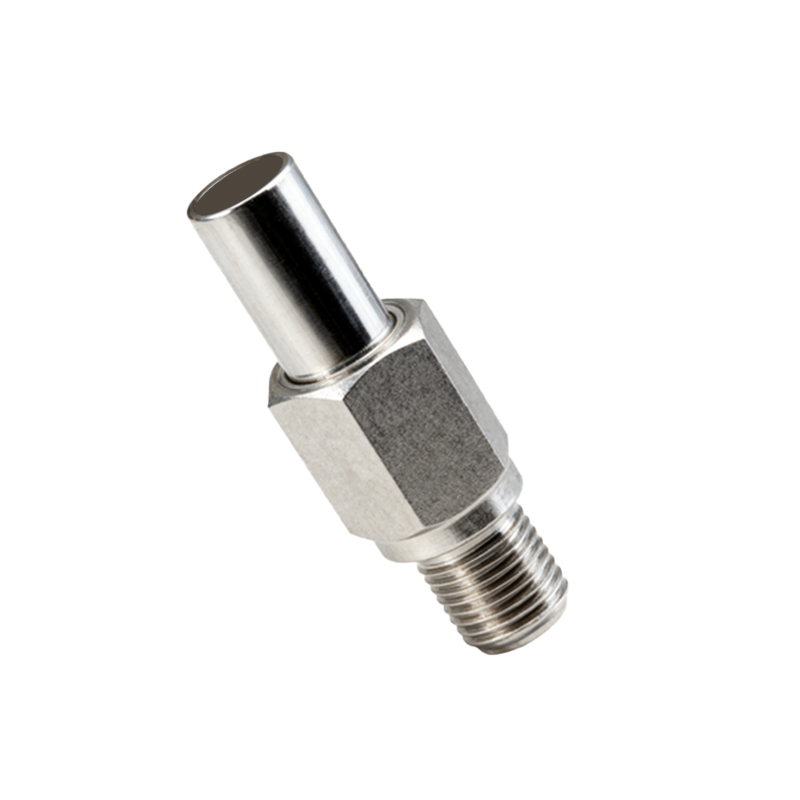
In North America, OEMs often focus on integration-friendly solutions for automotive, food and beverage, and pharmaceutical industries. These manufacturers might provide enhanced support for connectivity with Programmable Logic Controllers (PLCs) and Industrial Internet of Things (IIoT) ecosystems. Their production lines are often certified under quality management systems like ISO 9001, emphasizing consistent performance and traceability.
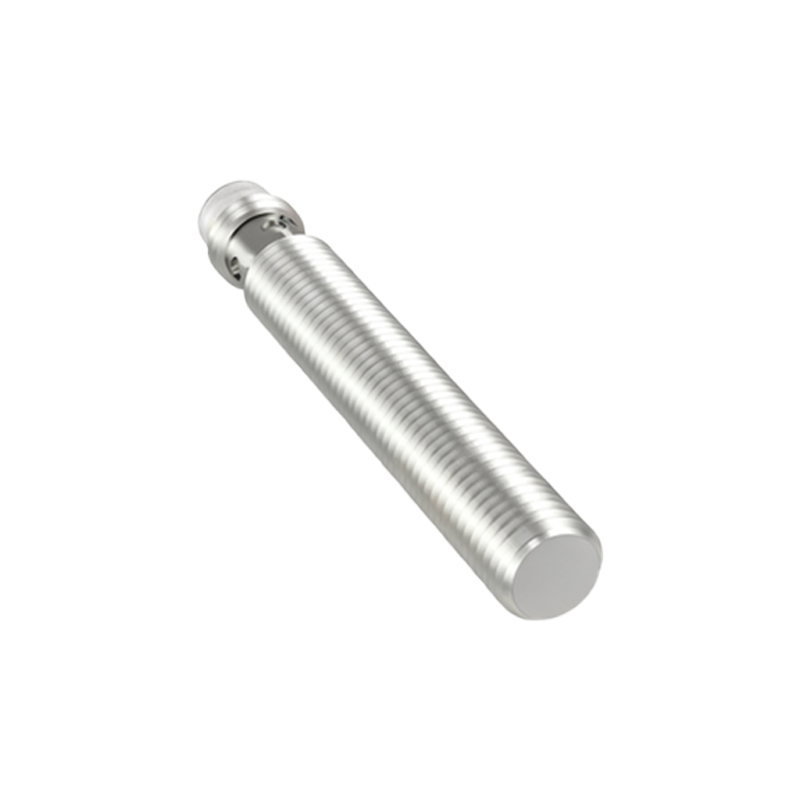
Asian-based OEMs, especially in Japan, South Korea, and increasingly in Southeast Asia, are recognized for cost-effective mass production without significant compromises in quality. They excel in producing standardized ring sensor models with fast delivery times. Many invest heavily in automated assembly and rigorous testing procedures, including environmental stress screening for temperature, humidity, and vibration resistance.
When evaluating a ring proximity sensor OEM partner, several technical and commercial factors are crucial. Technical considerations include sensing performance (repeat accuracy, response frequency), environmental ratings (IP67/IP69K for washdown areas), electromagnetic compatibility (EMC), and the ability to function near metallic backgrounds. The manufacturer’s R&D capability to tailor specifications—such as ultra-thin designs for limited spaces or high-speed models for rapid production lines—is vital.
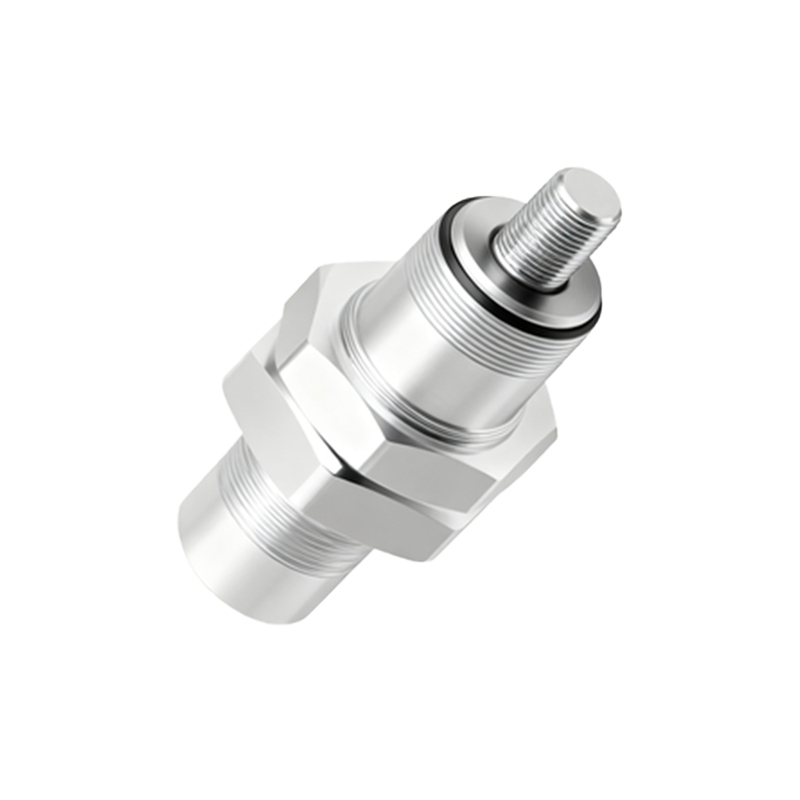
Commercially, audit the manufacturer’s supply chain resilience, minimum order quantities (MOQs), lead times, and post-sales technical support. A proficient OEM will offer comprehensive documentation, including detailed datasheets, 2D/3D models for mechanical integration, and application notes. Prototyping support and sample availability are also key indicators of a collaborative partner.
The future of ring proximity sensor manufacturing is leaning towards smarter, more integrated solutions. Leading OEMs are now incorporating condition monitoring features, predictive maintenance data outputs, and enhanced diagnostics. Partnerships with these forward-thinking manufacturers can provide a competitive edge, ensuring that the sensors not only perform a basic detection function but also contribute to overall equipment effectiveness (OEE) and factory digitalization goals.
In conclusion, selecting the right ring proximity sensor OEM manufacturer requires a balanced assessment of technical prowess, industry-specific experience, quality assurance protocols, and strategic alignment. By partnering with an established and innovative OEM, companies can secure a reliable supply of high-performance sensors that enhance automation system efficiency, durability, and intelligence.