In the realm of industrial automation and control, precise, reliable, and non-contact object detection is paramount. Among the suite of available sensing technologies, ultrasonic proximity switches stand out for their versatility and robustness. Unlike inductive or capacitive sensors that detect specific material properties, ultrasonic sensors operate on a fundamental principle of physics: the emission and reception of sound waves beyond the range of human hearing, typically above 20 kHz.
The core working principle is elegantly straightforward. The sensor's transducer emits short, high-frequency ultrasonic pulses. These pulses travel through the air at the speed of sound. Upon encountering a target object, the pulses are reflected back towards the sensor. An internal electronic circuit measures the time elapsed between the emission and the reception of the echo. This "time-of-flight" (ToF) is directly proportional to the distance to the target. A switching output is activated when the measured distance falls below (or exceeds) a pre-set threshold, effectively functioning as a proximity switch. This method allows for precise distance measurement and binary switching decisions without physical contact.
Key performance characteristics define an ultrasonic proximity sensor's capability. The sensing range varies significantly by model, from a few centimeters for precise positioning tasks to over ten meters for large-scale applications. Factors like target size, material, and surface texture influence the maximum reliable range; large, flat, and hard surfaces reflect sound waves best. Beam angle is another critical specification, determining the detection cone's width. A narrow beam offers precise targeting, while a wide beam is beneficial for detecting objects that may not be perfectly aligned. Response time, the speed at which the sensor reacts to a change, is crucial for high-speed automation lines. Modern sensors also feature advanced temperature compensation, as the speed of sound changes with air temperature, which could otherwise introduce measurement errors.
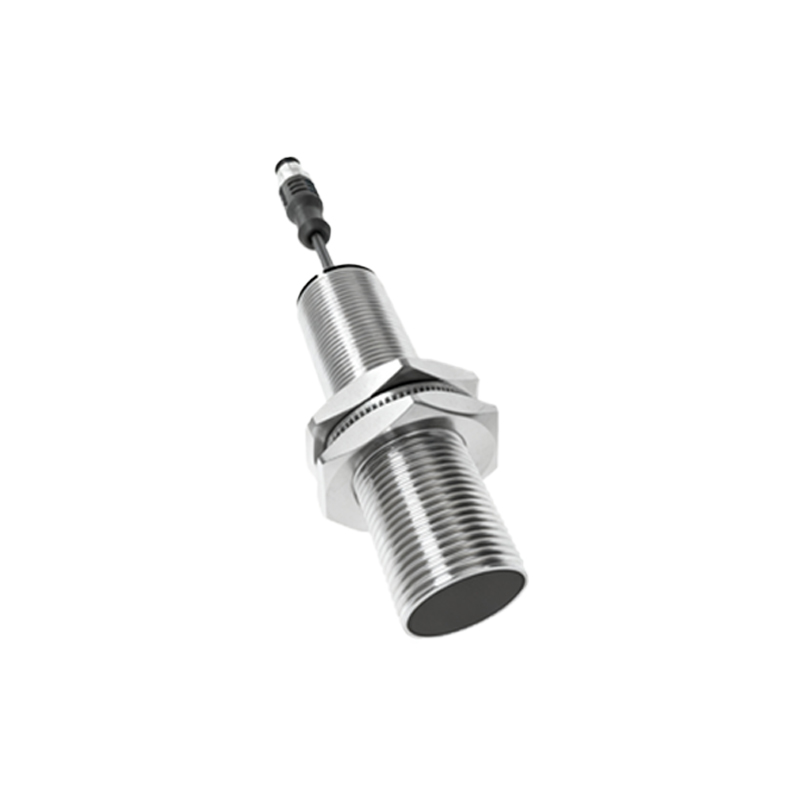
The advantages of ultrasonic proximity switches are compelling. Their material independence is a primary benefit; they can detect virtually any solid or liquid object—metal, plastic, wood, glass, or granular materials—regardless of color or transparency. This makes them ideal for applications where optical sensors would fail, such as detecting clear glass bottles or objects in dusty, foggy, or steamy environments where light-based systems are compromised. They are inherently resistant to ambient light interference and can often cope with light accumulation of dirt on the transducer surface, though heavy contamination should be avoided. Furthermore, their ability to provide both switching and analog distance output (in many models) adds significant functional value.
Typical industrial applications are diverse. In material handling, they are used for pallet detection, stack height control, and roll diameter measurement in winding machines. On packaging lines, they reliably detect the presence of transparent films, bottles, and cans. In the automotive industry, they monitor robot tooling positions and part presence in assembly jigs. Liquid level control in tanks, especially for corrosive or sticky fluids where contact is undesirable, is another classic use case. They also serve in collision avoidance for automated guided vehicles (AGVs) and crane systems.
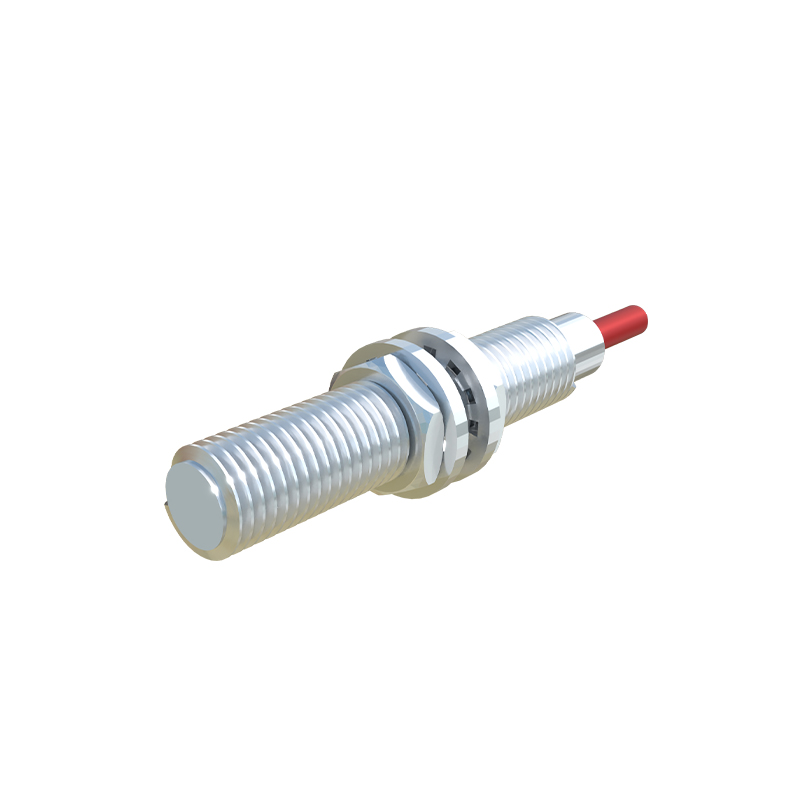
Selecting the right ultrasonic proximity switch requires careful consideration of several parameters. First, define the required sensing range and the physical size of the smallest target. Choose a sensing range with a 20-30% margin for reliability. Next, consider the environment: high levels of airborne dust or extreme temperature fluctuations may necessitate sensors with specific ingress protection (IP) ratings and robust temperature compensation. The output type is vital: a simple PNP/NPN transistor switch for on/off control, or an analog output (0-10V, 4-20mA) for continuous distance monitoring. For networking in complex systems, models with IO-Link or PROFINET interfaces provide advanced diagnostics and parameterization capabilities. Finally, the mechanical design—barrel-style (cylindrical) or rectangular housing—must suit the mounting constraints.
Installation and commissioning are generally straightforward but demand attention to detail. Mount the sensor securely to minimize vibration. Ensure the detection cone is clear of obstructions like beams or brackets that could cause false echoes. The target should be as perpendicular as possible to the sound beam for optimal reflection. During setup, teach-in procedures (often via a button or remote input) allow easy setting of the switch point by placing the target at the desired distance. Regular maintenance involves keeping the transducer face clean and verifying performance periodically.
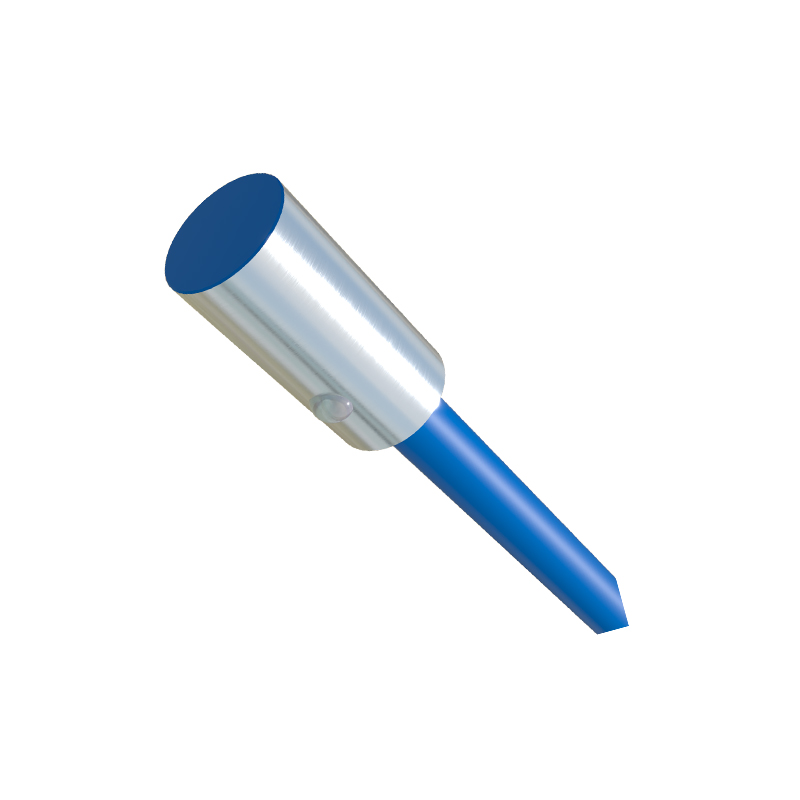
In conclusion, ultrasonic proximity switches offer a unique and powerful solution for non-contact detection challenges across industries. Their material-agnostic operation, environmental resilience, and dual functionality as a switch and measurer make them an indispensable tool in the engineer's arsenal. By understanding their operating principles, key specifications, and application nuances, automation professionals can effectively deploy these sensors to enhance system reliability, flexibility, and intelligence.