Laser inductive sensors are pivotal components in modern industrial automation, offering high precision and reliability for various applications. These sensors operate by emitting a laser beam that interacts with a target object, and the reflected light is analyzed to determine parameters such as distance, position, or presence. Unlike traditional optical sensors, laser inductive sensors combine laser technology with inductive principles, enhancing their performance in challenging environments like those with dust, moisture, or electromagnetic interference. This makes them ideal for use in manufacturing, robotics, and quality control systems where accuracy is critical.
The core mechanism involves a laser diode that generates a focused beam, which is directed toward the target. When the beam strikes the surface, it reflects back to a receiver within the sensor. The inductive element then processes the signal, converting it into electrical data that can be interpreted by control systems. This process allows for real-time monitoring and adjustments, ensuring efficient operation in dynamic settings. For instance, in assembly lines, laser inductive sensors can detect minute deviations in part alignment, triggering corrective actions to prevent defects.
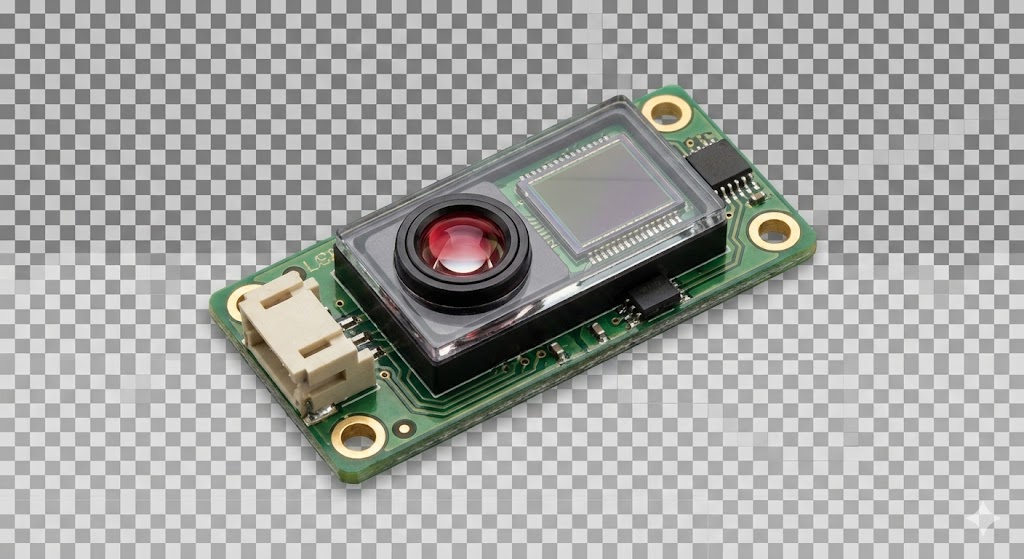
One key advantage of laser inductive sensors is their non-contact nature, which minimizes wear and tear and reduces maintenance costs. They can measure distances with micron-level precision, even at high speeds, making them suitable for applications like material handling, where rapid detection is essential. Additionally, their robust design often includes features such as IP67-rated enclosures, providing resistance to harsh conditions. This durability extends their lifespan and ensures consistent performance in industries like automotive, aerospace, and electronics manufacturing.
When selecting a laser inductive sensor, engineers must consider factors such as range, resolution, response time, and environmental compatibility. For example, long-range sensors are used in warehouse automation for inventory tracking, while high-resolution models excel in precision machining. Calibration is also crucial to maintain accuracy over time, and many modern sensors come with self-diagnostic capabilities to alert users to potential issues. Integration with IoT platforms further enhances their utility, enabling data collection for predictive maintenance and process optimization.
In practice, laser inductive sensors have revolutionized tasks like object counting, level sensing, and edge detection. They contribute to increased productivity and safety by reducing human intervention in hazardous areas. As technology advances, innovations like miniaturization and enhanced connectivity are expanding their applications, from smart factories to renewable energy systems. Overall, laser inductive sensors represent a critical tool in the push toward Industry 4.0, driving efficiency and innovation across sectors.