In the realm of electrical engineering, circuit breakers stand as fundamental components that ensure the safety, reliability, and efficiency of power systems. Their primary function is to protect electrical circuits from damage caused by overcurrent, short circuits, or fault conditions. Essentially, a circuit breaker acts as an automatic switch that interrupts the flow of electricity when it detects an abnormal surge, thereby preventing potential hazards such as fires, equipment damage, or electrical shocks. This protective mechanism is crucial in both residential and industrial settings, where electrical loads can vary significantly.
Circuit breakers operate based on thermal, magnetic, or a combination of both principles. Thermal breakers respond to excessive heat generated by overcurrent, using a bimetallic strip that bends and trips the mechanism. Magnetic breakers, on the other hand, rely on an electromagnet that activates when current exceeds a preset threshold, providing faster response times for short circuits. Advanced models incorporate electronic trip units for precise monitoring and control, enhancing their adaptability in complex systems like smart grids or renewable energy installations.
The importance of circuit breakers extends beyond mere protection. They contribute to system stability by isolating faulty sections, allowing unaffected areas to continue operating. This minimizes downtime and maintenance costs, which is vital in critical infrastructures such as hospitals, data centers, and manufacturing plants. Moreover, modern circuit breakers support energy management by enabling remote operation and integration with digital networks, facilitating real-time diagnostics and predictive maintenance.
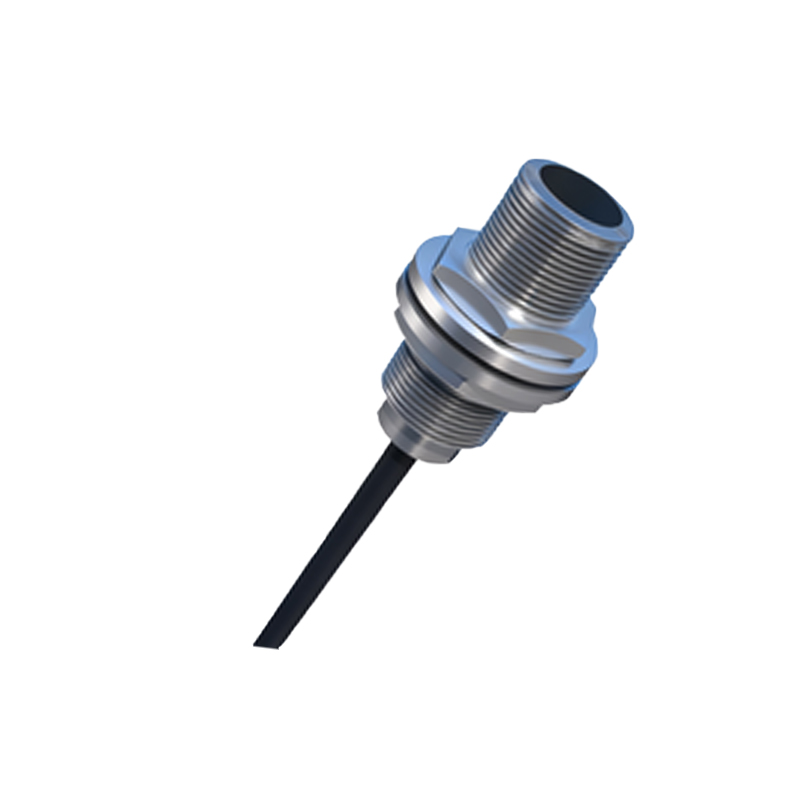
In industrial applications, circuit breakers are designed to handle high voltages and currents, often featuring arc-quenching technologies to safely extinguish electrical arcs during interruption. This ensures durability and longevity, even in harsh environments. Standards and regulations, such as those from the International Electrotechnical Commission (IEC) and the National Electrical Code (NEC), govern their design and installation, emphasizing safety and interoperability.
As technology evolves, circuit breakers are becoming smarter and more efficient. Innovations like solid-state breakers and IoT-enabled devices are reshaping the landscape, offering enhanced performance and connectivity. Ultimately, understanding the role of circuit breakers is key to designing resilient electrical systems that meet today's demands for safety, sustainability, and innovation.