In the rapidly evolving landscape of automotive safety, active braking systems have emerged as a cornerstone technology, significantly reducing the incidence of collisions. At the heart of these advanced systems lies the laser sensor—a sophisticated component that enables real-time detection and response to potential hazards. This article delves into the principles, applications, and future trends of laser sensors in active braking, offering insights for engineers and industry professionals.
Laser sensors, often based on LiDAR (Light Detection and Ranging) technology, operate by emitting pulsed laser beams and measuring the time it takes for the light to reflect off objects. This data is processed to create high-resolution, three-dimensional maps of the vehicle's surroundings. Unlike traditional radar or camera-based systems, laser sensors excel in precision and speed, capable of detecting objects with centimeter-level accuracy at distances exceeding 200 meters. Their ability to function effectively in various lighting and weather conditions—though with some limitations in heavy fog or rain—makes them indispensable for modern active braking systems.
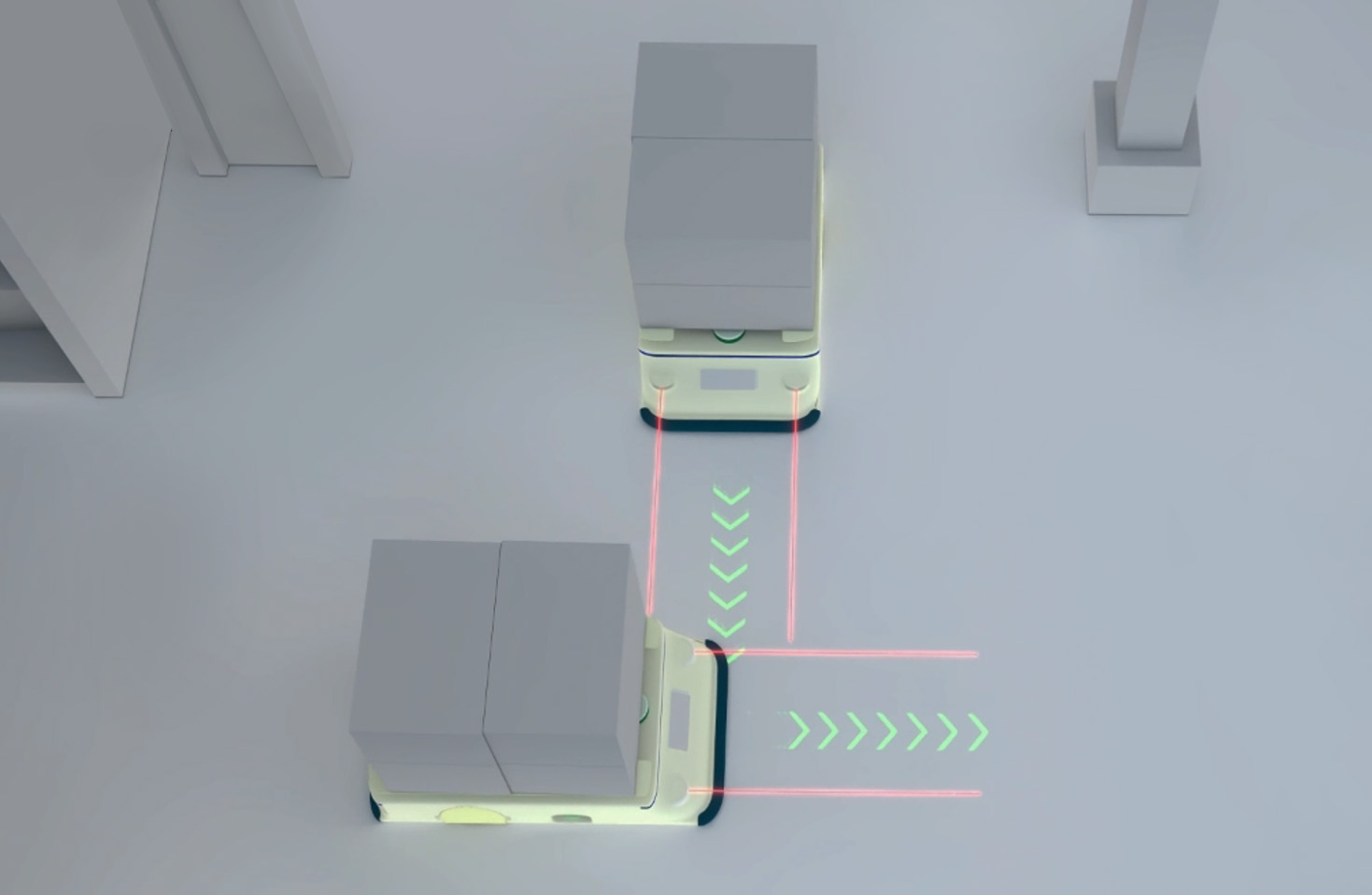
The integration of laser sensors into automotive safety frameworks involves complex algorithms and sensor fusion techniques. When a potential collision is identified, the sensor communicates with the vehicle's electronic control unit (ECU), triggering automatic brake application within milliseconds. This process not only mitigates impact severity but can prevent accidents entirely in scenarios such as sudden pedestrian crossings or unexpected stops by preceding vehicles. Major automotive manufacturers, including Tesla, BMW, and Audi, have incorporated laser-based systems into models like the Audi A8 and Volvo XC90, showcasing tangible reductions in rear-end collisions during trials.
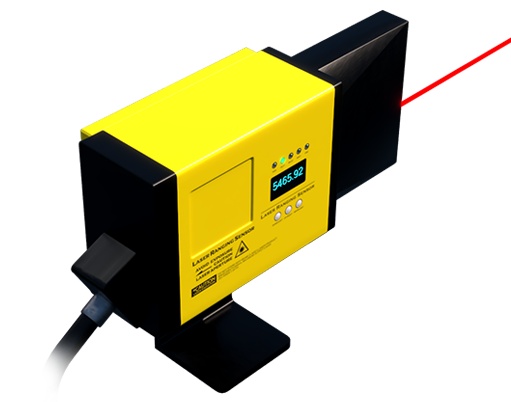
From an engineering perspective, designing laser sensors for active braking requires meticulous attention to factors like wavelength selection, power efficiency, and miniaturization. Typically operating in the near-infrared spectrum (around 905 nm or 1550 nm), these sensors must balance detection range with eye safety regulations. Innovations in solid-state LiDAR are driving down costs and size, enabling broader adoption across vehicle segments. However, challenges persist, such as handling signal interference in urban environments or ensuring durability under extreme temperatures. Ongoing research focuses on enhancing sensor resolution and integrating artificial intelligence for predictive analytics, allowing systems to anticipate hazards based on historical data.
Looking ahead, the role of laser sensors in active braking is set to expand with the advent of autonomous driving. As vehicles transition toward higher levels of automation (SAE Level 3 and above), the demand for redundant, multi-sensor systems will grow. Laser sensors will likely synergize with radar, cameras, and ultrasonic sensors to create robust perception networks. Industry forecasts suggest that the global automotive LiDAR market could surpass $5 billion by 2030, driven by regulatory mandates for safety features like Automatic Emergency Braking (AEB). For engineers, this trend underscores the need for expertise in optoelectronics, data processing, and cybersecurity to safeguard sensor integrity.
In conclusion, laser sensors represent a transformative force in active braking technology, offering unparalleled accuracy and responsiveness. As automotive safety standards tighten and consumer expectations rise, continued innovation in laser sensing will be crucial. By embracing advancements in materials science and machine learning, the industry can pave the way for safer, smarter vehicles—ultimately saving lives and reshaping mobility for generations to come.