In the realm of industrial automation and control systems, the reliable detection of objects, position, and motion is paramount. Two fundamental components that serve this critical function are magnetic sensors and proximity switches. While their end goal—providing a switching signal based on the presence or absence of a target—is similar, their operating principles, construction, and typical applications differ significantly. This article delves into the technology behind these devices, exploring their characteristics and guiding their selection for various engineering challenges.
Magnetic sensors, as the name implies, are devices that detect and measure magnetic fields. Their operation is based on the interaction between a magnetic field and the sensor's internal sensing element. Common technologies include Hall-effect sensors, magnetoresistive (MR) sensors, and reed switches. A Hall-effect sensor generates a voltage differential (the Hall voltage) when a current-carrying conductor is placed in a perpendicular magnetic field. This voltage is proportional to the magnetic field strength, allowing for not just detection but also measurement. Magnetoresistive sensors change their electrical resistance in the presence of a magnetic field, offering high sensitivity. Reed switches are simple electromechanical devices where two ferromagnetic reeds, sealed in a glass tube, are drawn together to make contact when an external magnetic field is applied.
The key advantage of magnetic sensors is their ability to operate without physical contact with the target. They require a magnet, either attached to the moving target or integrated, to generate the field they detect. This makes them ideal for harsh environments where dirt, oil, or moisture would compromise mechanical switches. Applications are vast: sensing rotational speed by detecting gear teeth (using a Hall-effect sensor), determining angular position in electric motors, implementing non-contact limit switches, and in consumer electronics for detecting flip covers or screen rotation.
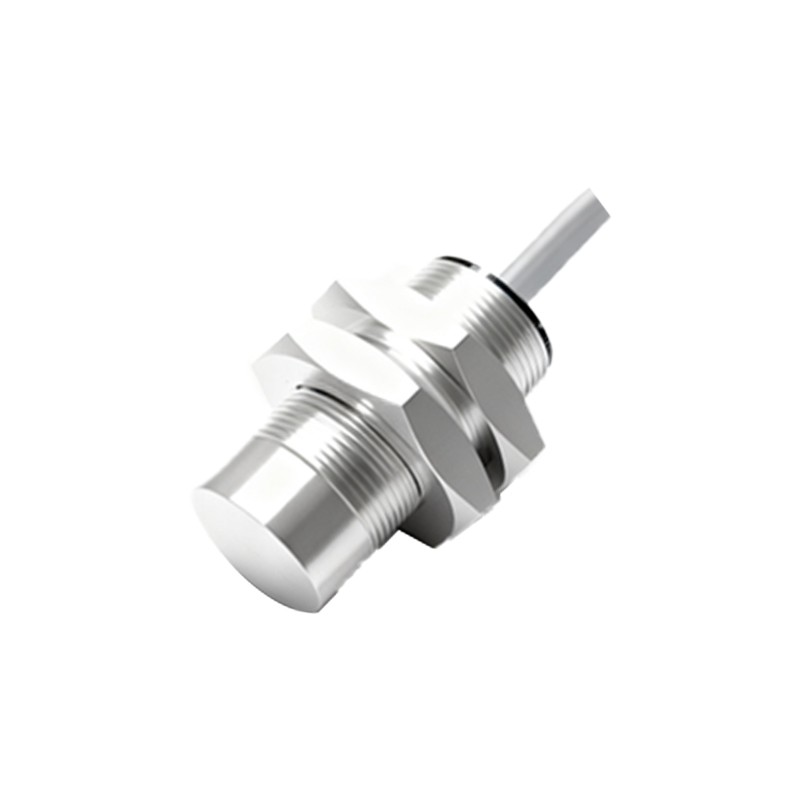
Proximity switches, or proximity sensors, represent a broader category. They detect the presence or absence of an object within a specified range without physical contact. While magnetic proximity switches (which often use a reed switch or Hall-effect sensor to detect a magnet) are a subset, the term commonly refers to inductive and capacitive types in industrial contexts. Inductive proximity switches are the workhorses of metal detection. They generate an oscillating electromagnetic field from a coil. When a metallic object enters this field, it induces eddy currents, which dampen the oscillation. The sensor's circuitry detects this change and triggers a solid-state output switch. Capacitive proximity switches can detect both metallic and non-metallic materials (plastics, wood, liquids) by sensing changes in capacitance caused by the target object altering the sensor's electrostatic field.
The choice between a standard magnetic sensor and a broader proximity switch hinges on the application's specific requirements. Magnetic sensors excel where the target can be fitted with a magnet, and where the sensing needs to be highly precise regarding magnetic field strength or polarity. They are also inherently resistant to environmental contaminants. Proximity switches, particularly inductive ones, are chosen when detecting standard metallic machine parts (like a piston rod, gear, or tool) without the need to attach a magnet. They offer robust construction, standardized form factors, and well-defined sensing ranges.
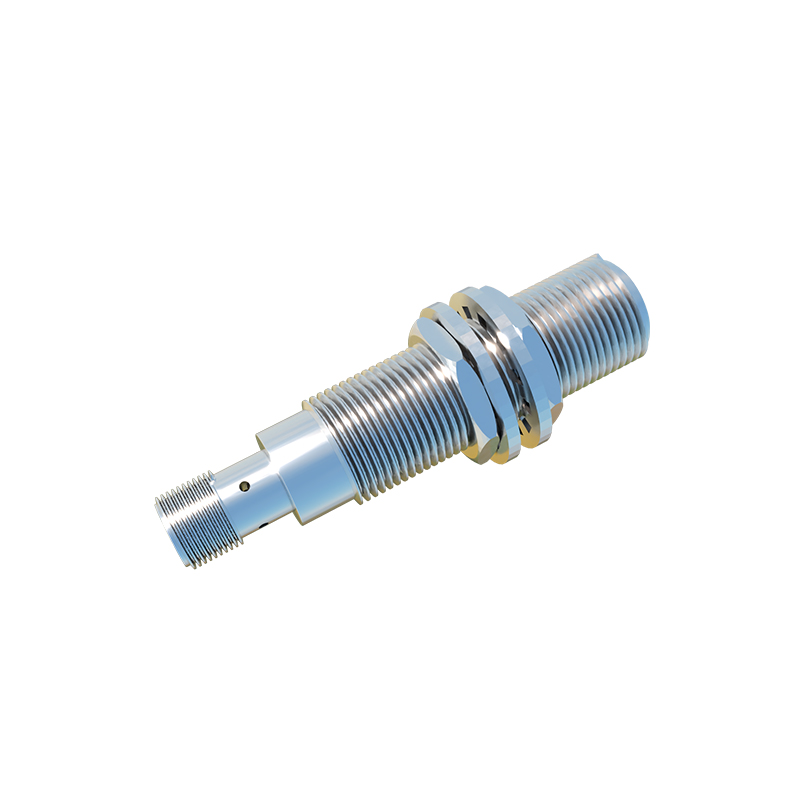
Critical selection parameters include sensing distance, output type (PNP/NPN, NO/NC analog, or digital), switching frequency, environmental rating (IP67, IP69K for washdown areas), temperature range, and supply voltage. For instance, in a high-speed packaging line, a Hall-effect sensor with a high switching frequency might detect individual packages via a magnet on a conveyor. In a CNC machine tool, an inductive proximity switch would reliably detect the home position of a metal slide without any added magnetic target.
In conclusion, both magnetic sensors and proximity switches are indispensable in modern electrical engineering and automation. Magnetic sensors provide elegant solutions for precise magnetic field detection, often in integrated systems. Proximity switches offer robust, general-purpose object detection, with inductive types being synonymous with industrial metal sensing. Understanding their core technologies—Hall effect, magnetoresistance, electromagnetic induction, and capacitance—empowers engineers to specify the optimal device for enhancing system reliability, safety, and efficiency. As Industry 4.0 advances, these sensors continue to evolve, becoming smarter, more integrated, and more communicative, forming the essential sensory layer of the automated world.