Laser sensors have become indispensable components in modern industrial automation, offering unparalleled precision, speed, and reliability. Their operational principle is fundamentally based on the emission of a focused laser beam and the subsequent analysis of its reflection. The key characteristics that define their performance and suitability for various applications can be systematically analyzed across several dimensions.
The primary feature is measurement precision, often reaching micrometer or even sub-micrometer resolution. This is governed by factors such as laser wavelength, beam quality, and detector sensitivity. For instance, red laser diodes (around 650 nm) are common for general-purpose tasks, while blue lasers offer better resolution on reflective surfaces due to their shorter wavelength. The spot size, determined by the optics, directly impacts the minimum detectable feature size and edge detection capability.
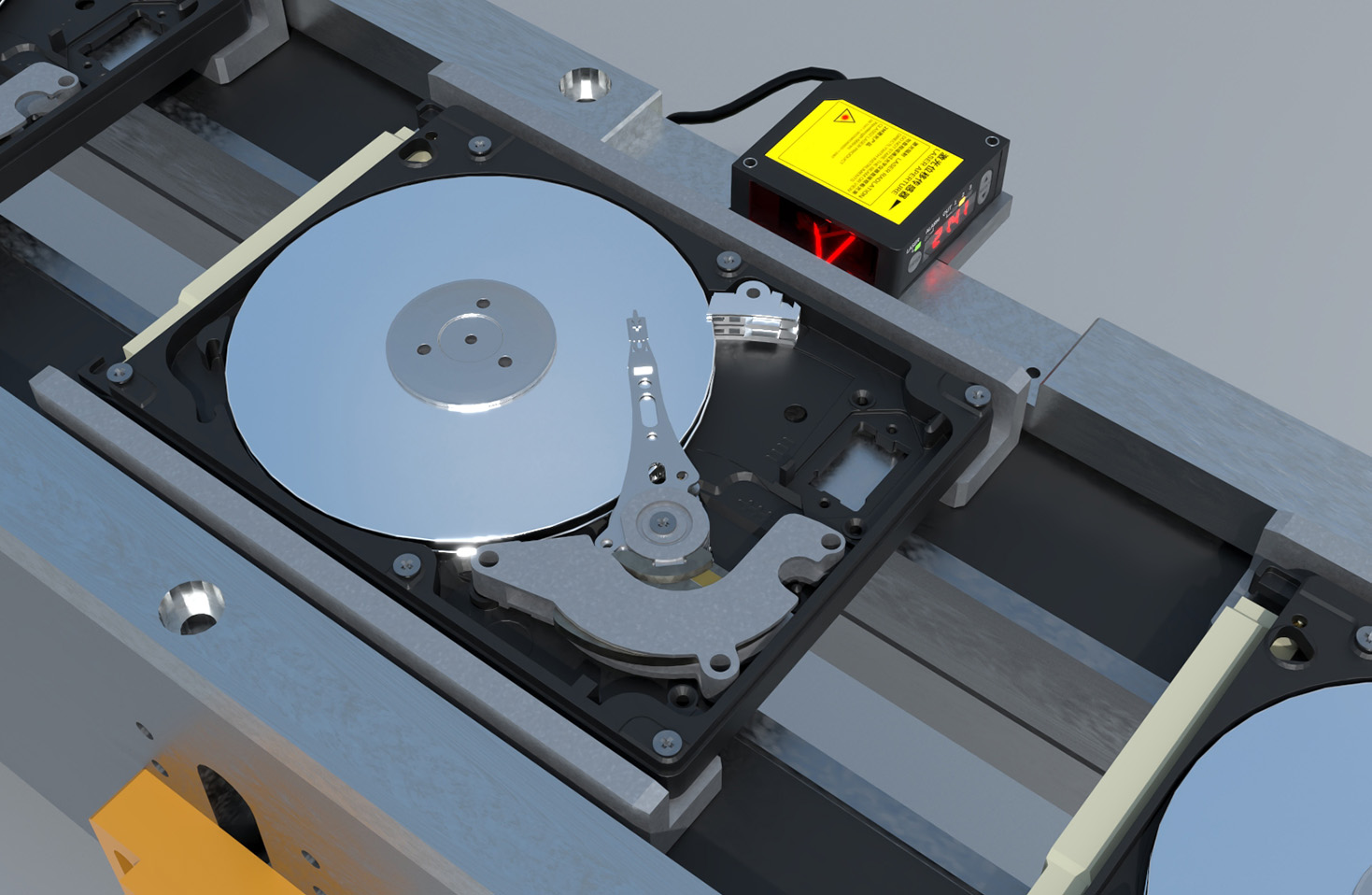
Measurement range and standoff distance are critical selection criteria. Confocal sensors offer extremely high precision over very short ranges, while time-of-flight (ToF) sensors can measure over several meters with slightly lower resolution. The choice depends entirely on the application, such as precision thickness gauging versus bulk material level monitoring.
Response speed and sampling rate are paramount in dynamic processes. High-speed laser sensors can achieve sampling rates in the kilohertz to megahertz range, enabling real-time monitoring on fast-moving production lines, such as in web inspection or vibration analysis. This is intrinsically linked to the sensor's internal processing electronics and data interface (e.g., Ethernet, IO-Link).
Environmental robustness is a non-negotiable feature in industrial settings. Key specifications include Ingress Protection (IP) ratings for dust and water resistance, operating temperature range, and resistance to ambient light interference. Sensors designed for harsh environments often feature robust housings, temperature compensation circuits, and specialized optical filters to reject irrelevant light sources.
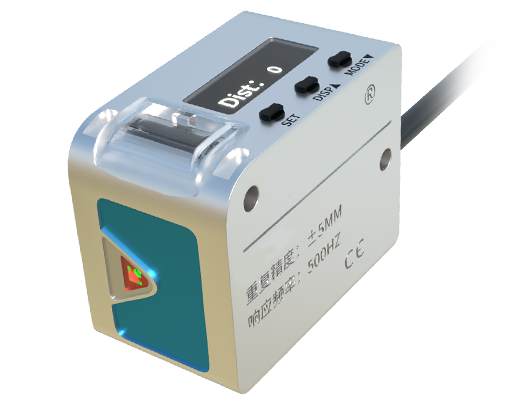
The output interface and programmability define integration ease. Analog outputs (4-20 mA, 0-10 V) are universal, while digital interfaces (RS-485, Ethernet/IP, PROFINET) enable richer data exchange and network integration. Advanced sensors offer teach-in functions, programmable measurement windows, and logic outputs for direct control actions.
Furthermore, the type of measurement principle dictates core features. Triangulation sensors excel in high-precision displacement measurement. Confocal chromatic sensors are ideal for measuring transparent or multi-layered materials. ToF sensors are best for long-range presence detection and level control. Diffuse reflective sensors are simple, cost-effective solutions for object detection at short ranges.
A critical, often overlooked, feature is long-term stability and maintenance requirements. Laser diodes have finite lifetimes, and optical windows can become contaminated. Sensors with stable reference channels, built-in diagnostics, and easy-cleaning designs significantly reduce downtime.
In conclusion, selecting the optimal laser sensor requires a thorough analysis of its features against the specific application demands. No single sensor excels in all parameters; the process involves trade-offs between precision, speed, range, robustness, and cost. A deep understanding of these characteristics enables engineers to deploy laser sensing technology effectively, driving improvements in quality control, process efficiency, and automated system intelligence. The continuous evolution in laser diode technology, CMOS detectors, and embedded signal processing promises even more capable and compact sensors for the future of industry.