In the rapidly evolving landscape of industrial automation, micro laser sensors have emerged as indispensable components for precision measurement, detection, and quality control. These compact, high-accuracy devices utilize laser technology to perform tasks such as distance measurement, object detection, edge positioning, and thickness gauging with remarkable speed and reliability. For engineers and system integrators, selecting the right manufacturer is critical to ensuring optimal performance, durability, and integration within complex automated systems. This article explores leading micro laser sensor manufacturers, highlighting their technological innovations, product specialties, and industry applications.
Key Players in the Micro Laser Sensor Market:
1. Keyence Corporation: A global leader in sensor technology, Keyence offers an extensive portfolio of micro laser sensors renowned for their ultra-compact design and high precision. Models like the IL Series provide sub-micrometer resolution, making them ideal for electronics assembly, semiconductor manufacturing, and precision machining. Keyence emphasizes user-friendly setup with intuitive software, reducing integration time.
2. Omron Corporation: Omron's micro laser sensors, part of the E3Z and E3S-C series, are celebrated for robust performance in harsh environments. Featuring advanced noise immunity and stable detection capabilities, these sensors are widely used in packaging, automotive, and pharmaceutical industries. Omron integrates smart functions like automatic sensitivity adjustment to adapt to varying conditions.
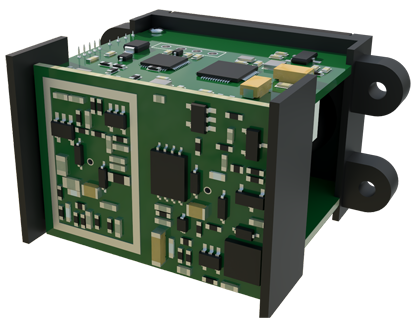
3. SICK AG: As a pioneer in sensor intelligence, SICK provides micro laser sensors with enhanced connectivity for Industry 4.0 applications. Their TIM series and microScan3 models offer precise background suppression and high-speed response, suitable for logistics automation, robotics, and material handling. SICK focuses on durability and long-term reliability under continuous operation.
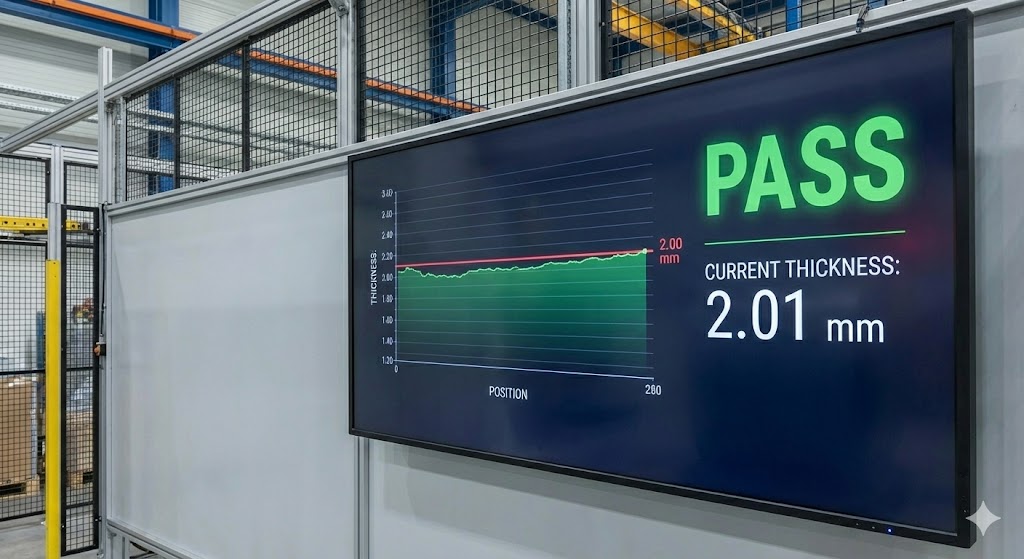
4. Panasonic Corporation: Panasonic's micro laser sensors, such as the HG-C series, combine affordability with high performance. They feature adjustable sensing ranges and compact housings, commonly applied in consumer electronics production and assembly lines. Panasonic emphasizes energy efficiency and easy maintenance.
5. Banner Engineering: Specializing in innovative solutions, Banner's micro laser sensors, including the Q4X and LE550 series, excel in challenging detection scenarios like transparent or glossy surfaces. With robust IP ratings and laser alignment tools, they are preferred in food processing, automotive welding, and metal fabrication.
6. Pepperl+Fuchs: Known for expertise in industrial sensing, Pepperl+Fuchs offers micro laser sensors with high resistance to environmental interference. Their R100 and R200 series provide precise measurement capabilities for positioning and inspection tasks in chemical and heavy industries.
Technological Advancements: Modern micro laser sensors incorporate cutting-edge features such as CMOS/CCD imaging, digital signal processing, and IoT connectivity. Innovations like multi-point measurement, temperature compensation, and self-diagnostic functions enhance accuracy and reduce downtime. Manufacturers are increasingly focusing on miniaturization without compromising power, enabling integration into space-constrained applications like medical devices and micro-robotics.
Selection Criteria for Engineers: When choosing a micro laser sensor manufacturer, consider factors like measurement range, resolution, response time, environmental ratings (IP67/IP69K), output options (analog, digital, IO-Link), and compatibility with existing control systems. Support services, including technical documentation, customization options, and global availability, also play a vital role in long-term project success.
Industry Applications: These sensors are pivotal in diverse sectors:
- Electronics: For PCB inspection and component placement.
- Automotive: In weld seam tracking and part verification.
- Pharmaceutical: Ensuring precise filling and packaging.
- Logistics: Enabling parcel dimensioning and sorting automation.
Future Trends: The micro laser sensor market is moving towards smarter, more integrated solutions. Developments in AI-driven data analysis, wireless sensor networks, and eco-friendly designs are set to redefine industrial automation. Manufacturers investing in R&D for adaptive sensing algorithms and energy-efficient models will lead the next wave of innovation.
In conclusion, partnering with a reputable micro laser sensor manufacturer ensures access to reliable technology that enhances operational efficiency and product quality. By evaluating technical specifications, industry expertise, and innovation pipelines, engineers can make informed decisions to drive automation forward.